TL;DR: Netflix’s Avatar: The Last Airbender Season 2 shines with breathtaking production design, fluid action, and magnetic turns from Zuko, Iroh, and Toph, though condensed pacing rushes some emotional arcs and leaves Aang and Katara occasionally underserved. It stands strong as its own story, capturing the spirit of elemental adventure with heart, spectacle, and genuine geek appeal—definitely worth diving into for fans craving more from this world.
Avatar: The Last Airbender Season 2
Stepping back into the world of Netflix’s Avatar: The Last Airbender feels like reuniting with an old friend who’s grown up a bit, traded some of that wide-eyed cartoon wonder for lived-in grit, yet still carries the same spark that made the original journey unforgettable. As someone who has spent countless evenings lost in epic sagas—whether chasing Mandalorian bounties across dusty planets or grinding through tactical turn-based battles in Star Wars games—I approached this season with the kind of cautious excitement only a true geek can muster. The live-action adaptation doesn’t try to outshine its animated predecessor; instead, it carves out its own path through familiar territories, weaving in fresh emotional layers and visual spectacles that remind you why this story continues to resonate years later. From sweeping landscapes that pulse with authentic cultural reverence to bending sequences that crackle with raw power, the production team has poured heart and budget into making every frame feel cinematic and immersive, turning what could have been a simple nostalgia cash-in into a compelling continuation of the Avatar’s saga.
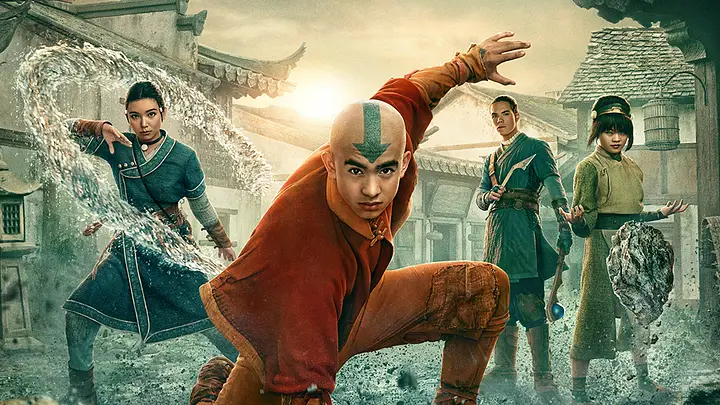
What strikes me most when reflecting on this season is how the world-building elevates the entire experience into something truly epic. Every location bursts with meticulous detail, from the bustling intrigue of Ba Sing Se’s underbelly to the spiritual weight of ancient libraries and hidden oases, all rendered with a scale that streaming giants can deliver when they commit fully. The costumes hug the characters with fidelity while allowing room for subtle updates that fit this more grounded tone, and the fight choreography delivers fluidity and impact that far surpasses earlier attempts at bringing bending to live-action. Sure, occasional CGI moments pull you out briefly—like a full-rendered glide that doesn’t quite land with perfect realism—but these are minor stumbles in an otherwise triumphant visual feast. It’s the kind of craftsmanship that makes you lean forward, heart racing, as earth, water, fire, and air collide in ways that feel both reverent and reinvented, proving that big-screen ambition can thrive on the small screen when passion leads the charge.
The Standout Performances That Anchor the Elemental Storm
Diving into the cast reveals a fascinating mix of strengths that highlight how strong writing can transform good actors into unforgettable icons. Dallas Liu continues to own Zuko with a brooding intensity that captures the prince’s inner war between duty, honor, and redemption, making every conflicted glance and fiery outburst feel painfully human. Paired with Paul Sun-Hyung Lee’s wise yet world-weary Iroh, their dynamic becomes the emotional core, delivering quiet wisdom and hard-hitting moments that land like perfectly timed earthbending strikes. These two elevate their scenes into masterclasses of familial tension and growth, reminding us why certain characters transcend their source material through sheer performer charisma and thoughtful scripting.
On the newer front, Miyako’s portrayal of Toph hits with the force of a meteor, embodying that brash, unyielding spirit while layering in vulnerabilities that make her instantly iconic. She feels ripped straight from the animation and planted firmly in this reality, her bending prowess and sharp tongue providing some of the season’s most satisfying payoffs. Elizabeth Yu steps up as Azula too, channeling calculated menace and sibling rivalry with a wildcard energy that keeps everyone off-balance in the best way. Supporting turns from Thalia Tran, Momona Tamada, and Daniel Dae Kim add rich texture to the Fire Nation side, creating a web of alliances and betrayals that pull you deeper into the political intrigue.
Yet the journey isn’t flawless for every hero. Gordon Cormier and Kiawentiio bring solid presence to Aang and Katara, sharing genuine chemistry that warms the more intimate, maturing relationship beats. However, the scripts sometimes hold them back from fully unleashing the fiery emotional ranges these characters demand, leaving key moments of rage, doubt, or whimsy feeling a touch restrained. It’s not a lack of talent but rather a sense that deeper exploration could have unlocked even greater heights, especially in arcs involving the Avatar State or personal growth amid loss. Still, their shared screen time crackles with potential, hinting at brighter paths ahead as the story expands.
The Challenges of a Tightened Timeline and Rushed Narratives
One of the more noticeable hurdles this season faces comes from its condensed structure, with seven episodes instead of the originally planned eight, which forces some major story threads to move at an accelerated pace. Arcs that involve missing companions, underground conspiracies, redemption attempts, and spiritual reckonings carry immense weight but occasionally feel squeezed, as if vital breathing room was trimmed to hit tighter thematic focuses. This creates moments where setups pay off adequately yet lack the lingering impact that longer development might have provided, leaving you wishing for just a bit more time to marinate in the consequences.
That said, the creative choices in adapting and reimagining elements shine through brilliantly in other areas. Side stories from the classic tales get woven masterfully into the main narrative, transforming what once felt like charming detours into pivotal character revelations about insecurity, creativity, and connection. Spiritual encounters, hidden personas, and evolving relationships gain new resonance here, often linking back to deeper family wounds or personal destinies in ways that feel purposeful rather than arbitrary. These adjustments demonstrate a genuine respect for the source while embracing the possibilities of live-action storytelling, proving adaptations can evolve without losing their soul.
Throughout it all, the season maintains an infectiously enjoyable momentum, blending high-stakes action with quieter, character-driven reflections that capture the heart of what makes this universe special. It never pretends to replace the original but confidently stands as its own entity, inviting new viewers while rewarding longtime fans with thoughtful nods and fresh perspectives. In a landscape crowded with remakes, this one feels like a sincere continuation rather than a hollow echo, full of the wonder, conflict, and hope that define great geek storytelling.
Verdict
Netflix’s Avatar: The Last Airbender Season 2 delivers a visually stunning and emotionally resonant continuation that honors its roots while forging a distinct identity. With production values that dazzle, standout performances that anchor the drama, and smart narrative tweaks that deepen key relationships, it overcomes pacing constraints born from episode limits to offer something genuinely worth watching. While Aang and Katara’s arcs could use more room to breathe, the season’s strengths—particularly in Zuko, Iroh, Toph, and the epic bending spectacles—make it a worthy addition to the Avatar legacy, blending nostalgia with new excitement for fans of all ages.