
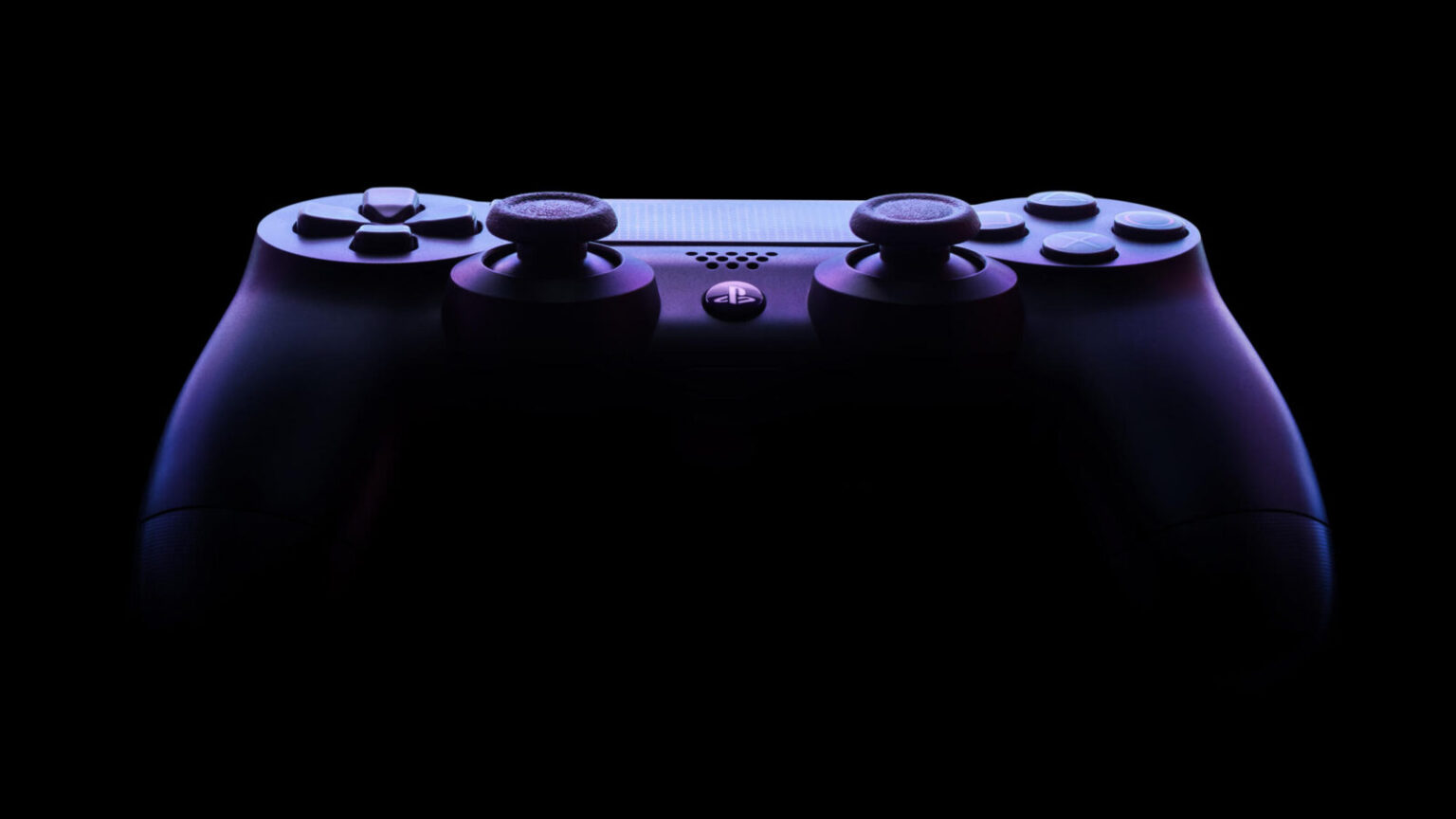
Sony has yet to set a firm launch window or price for the PlayStation 6, its president and CEO Hiroki Totoki said during the company’s latest earnings call. The admission comes as the video game industry grapples with a persistent memory shortage that has already driven up hardware costs across the board.
The current PlayStation 5 generation, now approaching six years on the market, has seen significant price increases. A standard PS5 with disc drive now sells for $649.99 in many regions, $150 above its 2020 launch price. The PS5 Pro sits at $899.99. A more powerful successor would likely push even higher—potentially beyond $1,000—under today’s component constraints. Totoki acknowledged that Sony is still monitoring the situation and may explore “new potential ways to sell” the console, though he offered no specifics on what those approaches might entail.
Historically, Sony’s hardware strategy has leaned on aggressive performance leaps between generations. The PlayStation 2 remains the best-selling console of all time, the PS4 delivered a strong mid-cycle recovery, and the PS5 has moved nearly 100 million units despite supply chain struggles during the pandemic. Yet that same pandemic also delayed the current generation’s momentum. Many players and developers argue the PS5 era is only now reaching full stride, with a maturing library of first- and third-party titles and improving backward compatibility features. Rushing the next cycle risks cutting that progress short.
Rumors continue to swirl around the PS6’s form factor. Some reports suggest a possible handheld variant or even a hybrid design reminiscent of the Nintendo Switch, which could broaden appeal but would add further engineering and cost challenges. A competing Microsoft console, codenamed Project Helix, is also expected around the 2027 timeframe, setting up another direct generational showdown.
The memory crisis affecting RAM and related components has broader implications beyond pricing. It highlights ongoing supply chain vulnerabilities that have persisted well beyond the height of the pandemic. For consumers, the uncertainty raises practical questions: how much are players willing—or able—to spend on a new console when current hardware still delivers strong experiences? Sony’s hesitation to commit publicly on timing or cost signals a measured approach, one that prioritizes market conditions over an arbitrary calendar deadline.
Whether the company can deliver meaningful innovation without pricing itself out of reach remains to be seen. Past generations showed that early stumbles, like the PS3’s high launch price, can be overcome with time and software support, but the industry has also changed. Subscription services, cloud gaming, and multi-platform releases have altered how many gamers approach new hardware purchases. Sony’s eventual PS6 strategy will need to balance its traditional power-focused identity with these shifting realities.
For now, the lack of concrete details leaves room for speculation. A delay could allow component prices to stabilize and give the PS5 generation more breathing room. Whatever direction Sony chooses, the next console cycle will test whether traditional high-end hardware launches can still thrive in an increasingly fragmented and price-sensitive market.