
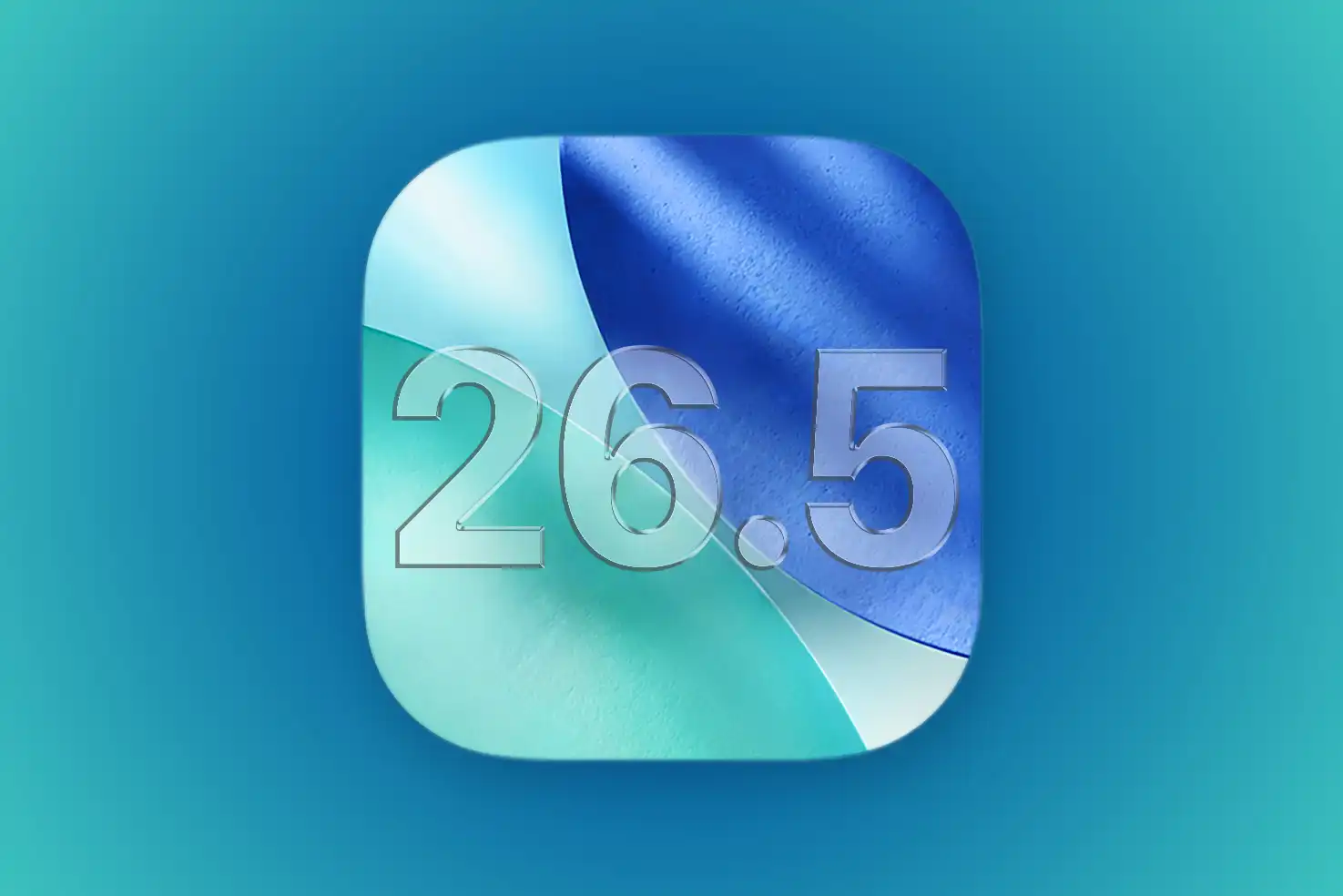
Apple has released a second release candidate for the iOS 26.5 and iPadOS 26.5 updates to developers, arriving just five days after the initial candidate. The short turnaround suggests the company identified issues in the first build that required additional refinement before a wider rollout. As is typical at this stage, Apple has not detailed the specific changes, leaving testers to discover them through hands-on use.
Developers can install the software through the standard Settings path on compatible iPhones and iPads: General followed by Software Update. Public beta testers have also gained access, indicating the update is nearing final form. Based on current timelines, Apple appears likely to push the stable version to all users sometime next week, fitting the pattern of modest spring point releases that address lingering bugs and prepare the ground for larger annual overhauls.
The update itself remains relatively lightweight. It brings no meaningful advances to Siri, reinforcing expectations that any substantial artificial intelligence improvements will wait for iOS 27, which Apple plans to preview at WWDC in early June. In the Maps app, a Suggested Places feature now recommends nearby locations drawn from broader trends and a user’s recent activity. At the same time, Apple continues laying technical groundwork for advertising within its mapping service, a shift that could eventually introduce sponsored results or promoted businesses in a way that mirrors competitors but has so far been absent from the app’s clean interface.
One area of ongoing experimentation involves end-to-end encryption for RCS messaging with Android devices. Apple tested the capability during the iOS 26.4 beta cycle only to pull it before public release. Its reappearance in testing for 26.5 suggests the feature is still under active development rather than abandoned, though users should not expect it in the immediate rollout. This back-and-forth highlights the technical and interoperability challenges of bridging iMessage and cross-platform standards while maintaining security standards that match Apple’s own messaging ecosystem.
A new Pride-themed wallpaper accompanies the update, timed to coincide with the recently announced Pride Edition Sport Loop for the Apple Watch. The visual addition serves as a modest annual gesture rather than a core functional change.
Overall, iOS 26.5 and its iPad counterpart function primarily as maintenance releases. They arrive as Apple’s engineering focus visibly shifts toward the next major version, a recurring cycle in which point updates handle stability and small refinements while big-ticket features wait for the fall. Earlier betas had already signaled this modest scope, and the second release candidate does little to alter that assessment. For most users running iOS 26.4 or later, the update will likely deliver incremental improvements in reliability rather than noticeable new capabilities.
The pattern reflects Apple’s broader software strategy: deliver reliable yearly platforms, then use smaller releases to patch issues and test experimental elements without risking the stability of the current generation. Whether the RCS encryption work ultimately ships, or how aggressively ads appear in Maps, will become clearer in the coming months. For now, the second release candidate moves the software one step closer to public availability without promising major transformation.