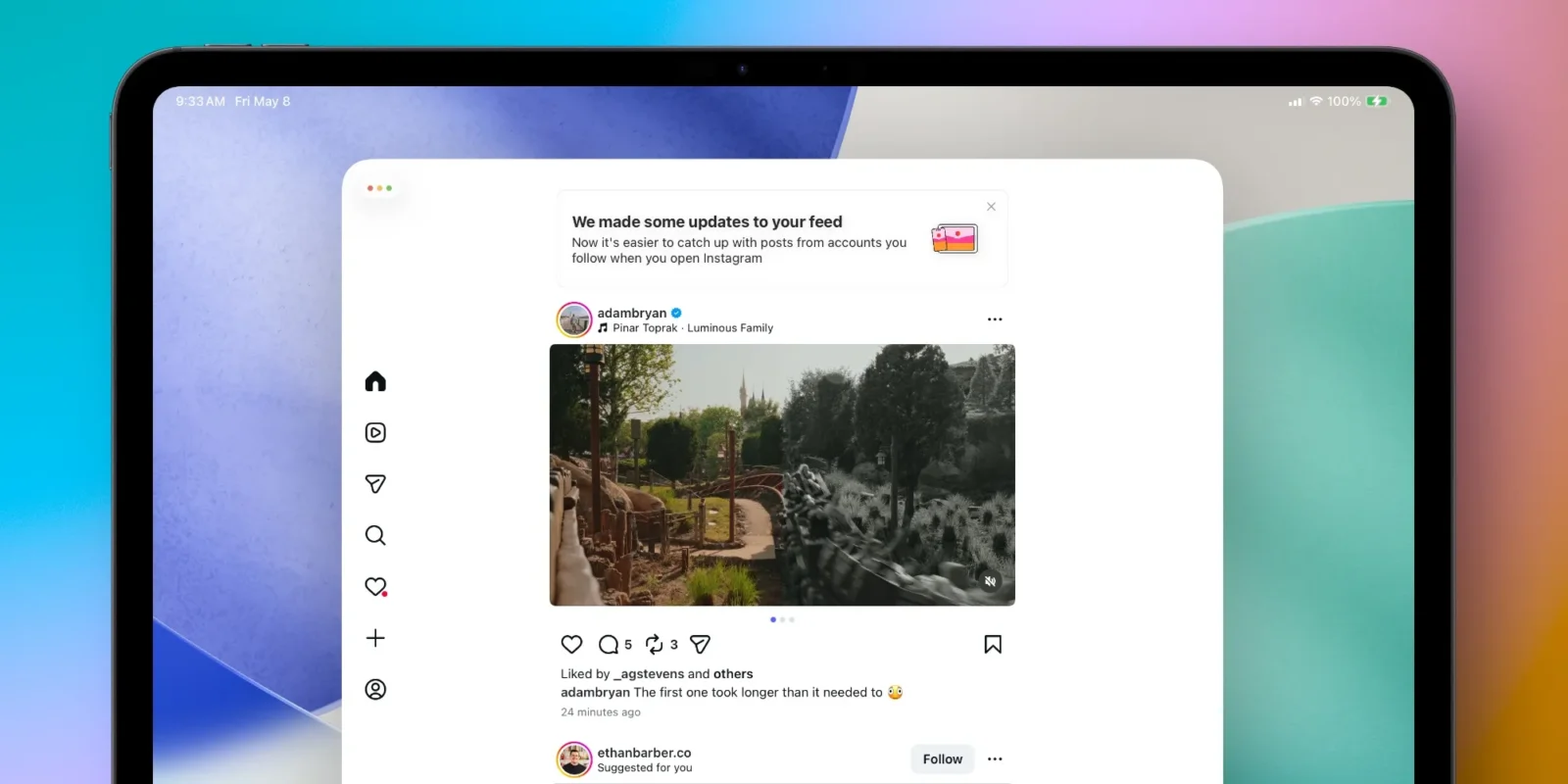

Instagram has quietly discontinued end-to-end encryption for direct messages, effective today. Conversations that once offered optional protection against third-party access, including by Meta itself, are now fully visible to the company and potentially to law enforcement agencies around the world.
The feature launched in 2023 as an opt-in setting but never gained significant traction. Meta cited low adoption rates when announcing its removal, noting that few users bothered to enable it for individual chats. The process itself was cumbersome: users had to navigate buried settings for each conversation, and the option was never made default or rolled out universally. In practice, this meant the vast majority of Instagram messaging has long operated without encryption, despite growing public awareness of digital privacy concerns.
Meta has directed users seeking stronger protections toward WhatsApp, its other messaging platform, which retains end-to-end encryption for now. Alternatives outside the company’s ecosystem, such as Signal or Apple’s iMessage, continue to offer the feature by default. The decision highlights a broader tension in the social media industry between user privacy expectations and platform responsibilities around content moderation, advertising, and regulatory compliance.
Timing adds another layer. The change arrives just days before the Take It Down Act takes effect in the United States. That legislation requires platforms to swiftly remove non-consensual intimate imagery, including deepfakes, following takedown requests. With end-to-end encryption in place, Meta would have struggled to scan or access content to meet those deadlines. Removing the barrier resolves that operational challenge, though it does so at the expense of privacy for the minority who had enabled the feature.
Critics have pointed out that Meta’s move aligns with long-standing pressure from law enforcement and child safety groups to limit encryption. At the same time, the company stands to gain internally. While Meta states that direct message content is not currently used for targeted advertising, its policies leave room for data to support product improvements, personalization, and AI training. Last year, Meta began leveraging private generative AI interactions across its apps to refine content recommendations and ad targeting, suggesting few practical limits on how messaging data might eventually contribute to revenue streams.
Users with existing encrypted chats have received prompts to download their media and message history before access changes. For most Instagram users, however, daily conversations were never encrypted to begin with. This episode fits a recurring pattern across big tech platforms: privacy features are introduced with fanfare, remain difficult to use, see limited uptake, and are eventually scaled back when they conflict with business or regulatory priorities.
The removal underscores ongoing challenges in balancing safety, compliance, and individual privacy in large-scale messaging systems. As platforms face increasing demands to police content while also monetizing user data, encryption often becomes an inconvenient middle ground. Those concerned about visibility into their conversations may need to migrate to dedicated encrypted apps rather than relying on social media defaults.
In the end, Instagram’s direct messages now operate much as they did before 2023: convenient for casual exchange but without the technical assurance that only the intended recipients can read them. The shift serves as a reminder that optional privacy tools, when poorly implemented, can quietly disappear with little fanfare.