
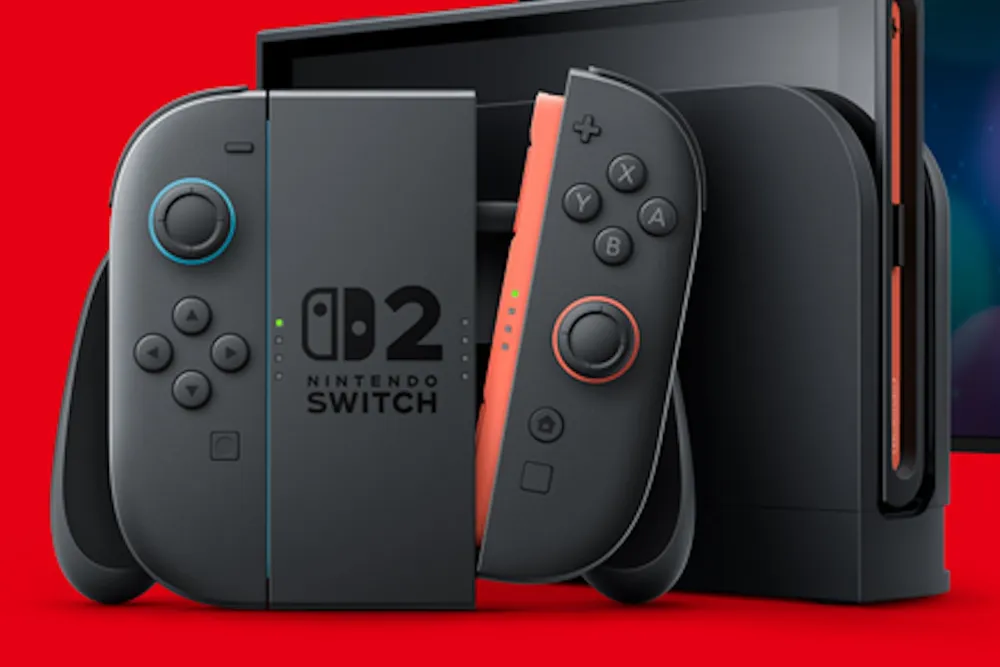
Nintendo has confirmed a worldwide price increase for the Switch 2, raising the cost of its latest console in response to ongoing component shortages and broader market pressures. The adjustment, first reported on May 8, 2026, ends a period in which the company had largely held the line on pricing despite industry-wide cost challenges.
In the United States, the Switch 2 will rise from $449.99 to $499.99, an $50 increase representing roughly 11 percent. Similar bumps apply elsewhere: CAD $50 in Canada, €30 in Europe, and a more substantial ¥10,000 in Japan, where the new price reaches ¥59,980. That Japanese hike equals about 20 percent, the largest relative change among major markets, though the console launched at a lower base price there. The increases take effect on May 25 in Japan and September 1 in the US, Canada, and Europe, giving prospective buyers a narrow window to purchase at the original rate.
Nintendo cited “changes in market conditions” without detailing specifics, but the context is clear. Persistent shortages in RAM and other key components have strained hardware makers throughout the past year. While the company initially signaled confidence in its supply chain buffers, those reserves appear to have run thinner than expected. Analysts had flagged the possibility of higher pricing for months, and investor pressure added to the momentum. The timing also coincides with reports of scaled-back production targets amid softening demand in key regions like the United States.
This development fits a wider pattern. Every major platform holder has adjusted flagship console prices upward in the past year. Microsoft raised Xbox Series X and S prices twice in 2025, Sony increased PS5 costs by as much as $200 in some markets during 2026, and Valve continues to weigh its options for the still-unreleased Steam Machine. For consumers, the cumulative effect feels like a slow erosion of affordability at a moment when many households remain cautious about big-ticket discretionary spending.
The Switch 2’s situation carries extra weight because of Nintendo’s historical emphasis on accessible hardware pricing. The original Switch succeeded in part by offering strong value compared with more powerful but costlier rivals. The current generation maintained that positioning at launch, but sustained economic headwinds—supply constraints, inflation in electronics manufacturing, and currency fluctuations—have now forced a retreat from that stance. In Japan, the price changes extend beyond the Switch 2 to the original Switch lineup and Nintendo Switch Online subscriptions, suggesting the company is attempting to protect margins across its ecosystem.
For those still weighing a purchase, the practical implications are straightforward. Waiting until after September in most regions will mean paying more, yet buying now carries its own risks if demand rebounds and stock becomes scarce. The episode also raises longer-term questions about how console makers will navigate an environment where component costs remain volatile and consumer patience for repeated price jumps may be wearing thin. Nintendo’s move, while unsurprising to industry watchers, underscores the fragile economics currently shaping the gaming hardware market.
The coming months will reveal whether the higher price dampens momentum or whether the Switch 2’s software lineup proves strong enough to absorb the hit. For now, the decision lands as another reminder that even the most consumer-friendly players in the industry are not immune to larger economic realities.