TL;DR: Cape Fear Episode 5 “Faith” excels with haunting family revelations, breakout performances from its young stars, and rich cinematic dread that deepens the revenge saga. Strong acting, atmosphere, and intriguing hints make it a compelling watch full of potential for what’s coming next.
Cape Fear
Stepping into Episode 5 of Apple TV’s Cape Fear feels like unlocking a deeper level in an atmospheric psychological thriller game where every shadow hides rich character layers and delicious tension. Titled “Faith,” this installment masterfully weaves intimate family horrors with escalating menace, proving once again why the series stands out as one of the most compelling slow-burns of the year. As a lifelong fan of stories that blend classic revenge tales with modern geeky psychological depth—think the intricate family dynamics of Succession crossed with the eerie vibes of a top-tier horror RPG—this episode delivers satisfying chills while spotlighting the raw talent of its younger cast. The Bowden family’s world grows ever more tangled, and “Faith” embraces the weirdness with confidence, turning potential pitfalls into captivating explorations of legacy, fear, and fractured bonds that keep you fully invested from start to finish.
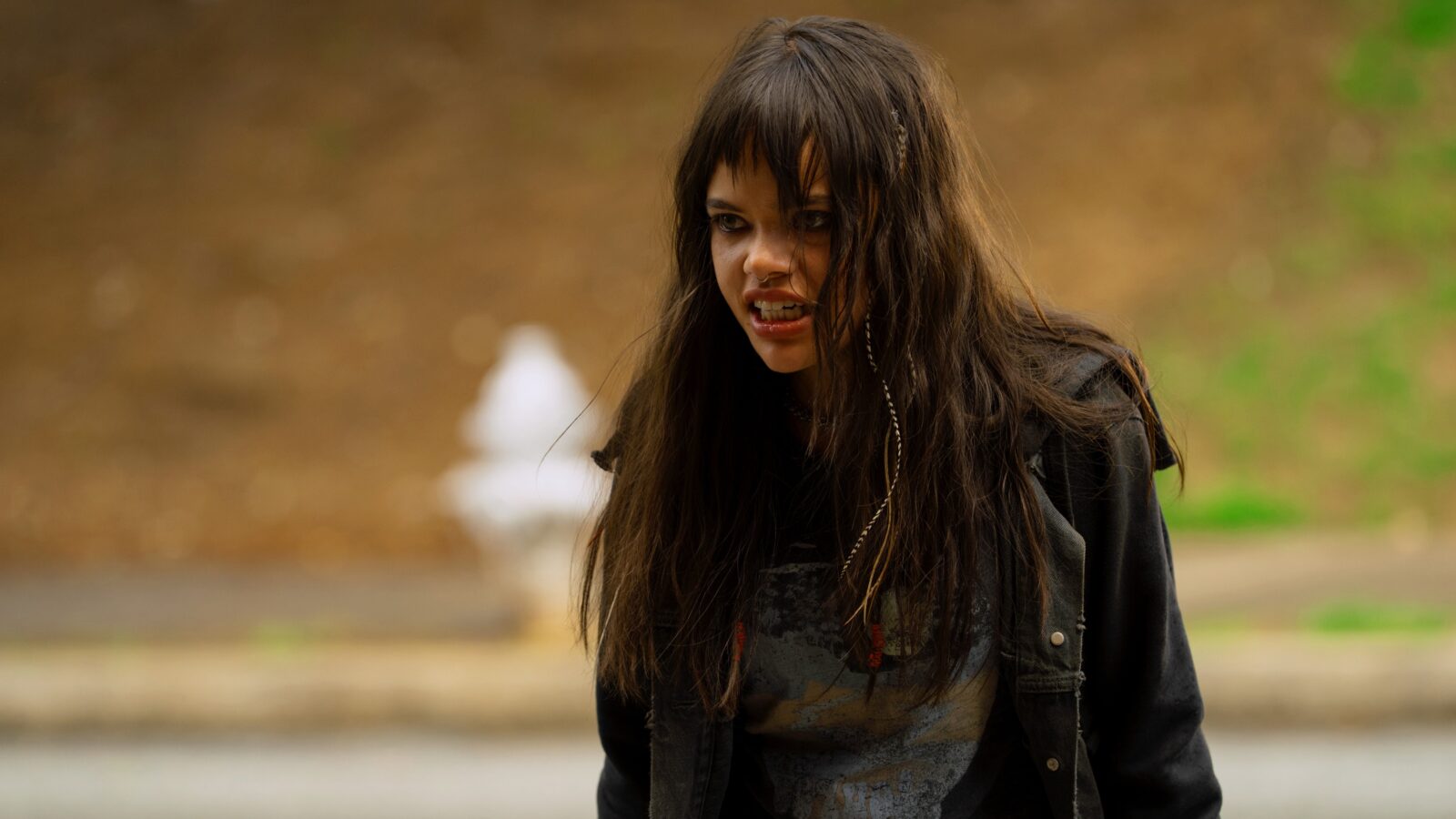
Nevaeh’s home life revelation emerges as a haunting highlight, transforming what could have been standard villain backstory into something profoundly unsettling and human. Her mother’s candle-filled sanctuary, alive with echoes of old sermons, creates an immersive Southern Gothic atmosphere that pulls you right into the emotional undercurrents driving the revenge plot. The charged interactions pulse with intensity, revealing how trauma ripples across generations in ways both tragic and mesmerizing. Malia Pyles brings such magnetic complexity to Nevaeh that she becomes the episode’s undeniable breakout star, blending menace with vulnerability in a performance that feels authentic and addictive. It’s the kind of acting that elevates the entire series, reminding viewers why fresh faces can breathe vibrant new life into established narratives and make even familiar revenge tropes feel thrillingly unpredictable.
The episode’s bold swings, from visceral confrontations to those jaw-dropping surprises, land with cinematic flair that rewards patient viewers. That theater-side clash crackles with energy, blending physicality and psychological warfare in a sequence that had me grinning at the audacity while appreciating how it deepens the central conflict. These moments don’t just shock—they illuminate character motivations and heighten the stakes, turning the Bowden household into a pressure cooker of paranoia and discovery. Paired with Patrick Wilson’s reliably intense Max Cady and Juliette Lewis’s scene-stealing presence, the ensemble creates a tapestry of performances that shine brightest when the story leans into its stranger edges. The subtle supernatural hints add an intriguing flavor, teasing possibilities that could blossom beautifully in upcoming episodes and satisfying that geeky itch for layers beneath the surface.
Zack’s arc delivers some of the most memorable and chilling sequences, blending ritualistic mystery with heartfelt family tension in ways that feel both innovative and deeply affecting. His trance-like moments and that unforgettable kitchen exchange land with Norman Bates-level creepiness but infused with a modern, empathetic twist that makes you root for the character even as you worry for him. Joe Anders’ nuanced work here stands shoulder-to-shoulder with Pyles, proving the show’s investment in its younger performers pays tremendous dividends. These threads connect beautifully to the larger narrative, using symbolic objects and emotional beats to explore how fear infiltrates everyday spaces, turning a family home into something far more ominous and compelling. It’s experiential television at its finest, where the personal stakes feel gigantic and the storytelling invites you to linger in the unease.
Subplots involving workplace drama and neighborhood proximity amp up the pressure in satisfying ways, showing how Max’s influence seeps into every corner of the Bowdens’ lives. The blackmail elements and professional fallout add smart layers of consequence, making the characters’ choices feel weighty and real rather than contrived. By the time Max settles in across the street, the episode builds to a catalyst that promises explosive developments ahead, leaving you excited rather than exhausted. The stunning cinematography, including those inventive tracking shots that echo classic thrillers, enhances every frame and makes the slower pacing feel intentional—a deliberate build toward something greater. In a streaming landscape packed with flashy but forgettable content, Cape Fear rewards attention with production values and emotional depth that truly satisfy.
What makes “Faith” such a standout is its commitment to atmosphere and character without sacrificing momentum entirely. The young actors’ wildly engaging performances carry the episode’s heart, turning potential mid-season hurdles into opportunities for richer world-building and deeper investment in the Bowden family’s fate. As someone who geeks out over stories that turn personal vendettas into epic quests, this chapter feels like a vital step in a larger saga full of potential. The blend of occult undertones, raw family drama, and stellar acting creates an addictive viewing experience that lingers long after the final reveal, proving the series still has plenty of fire left in its tank.
Verdict
Episode 5 of Cape Fear shines as a beautifully unsettling chapter that deepens character mysteries and showcases phenomenal young talent while maintaining the series’ moody, addictive atmosphere. Though it savors its atmospheric moments, the episode builds genuine intrigue and emotional resonance that sets up thrilling payoffs ahead. A strong, memorable entry that highlights why this remake continues to captivate.