

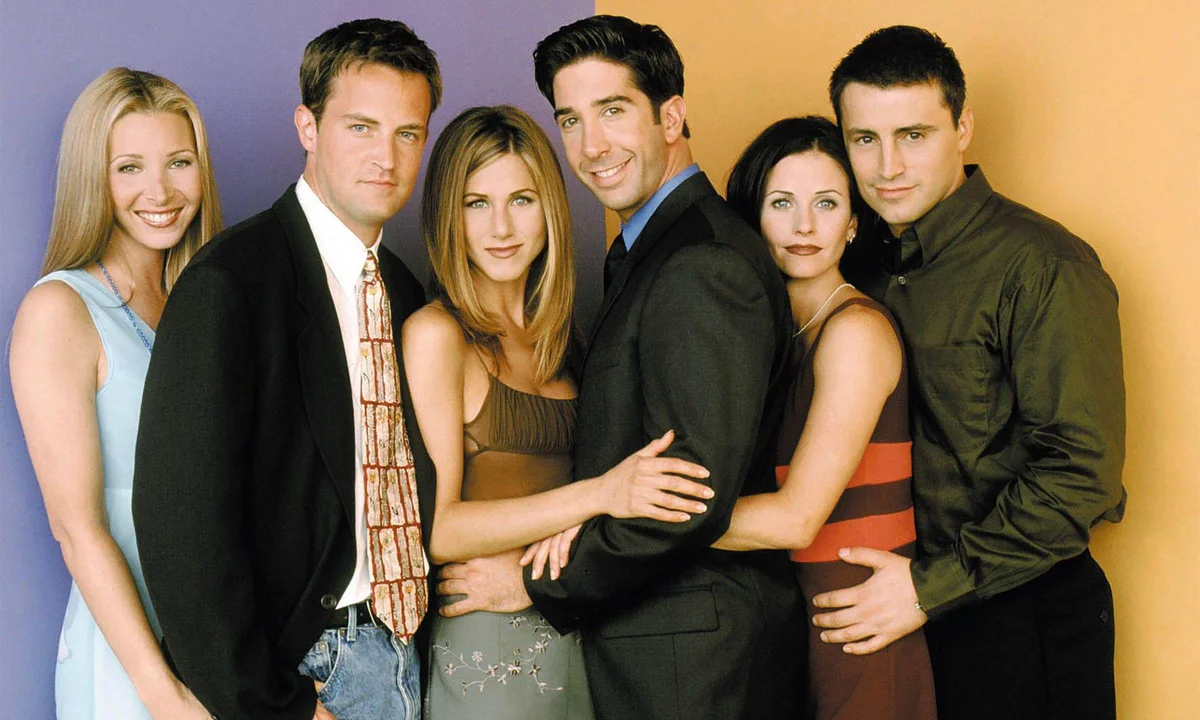
Lisa Kudrow has shared some unsettling details about the working environment on Friends, the long-running NBC sitcom that remains a staple of reruns and streaming more than two decades after it ended. In a recent interview with The Times of London, the actress, who played Phoebe Buffay, described a writers’ room dominated by men where harsh criticism and explicit conversations were commonplace during the show’s decade-long run from 1994 to 2004.
Kudrow recounted how writers, often working late into the night, would lash out when lines fell flat in front of the live studio audience of around 400 people. She recalled comments like “Can’t the bitch fucking read? She’s not even trying. She fucked up my line,” framing her own response as pragmatic detachment: if the barbs stayed behind her back, they carried less weight. She also described overhearing late-night discussions among the male writers about sexual fantasies involving co-stars Jennifer Aniston and Courteney Cox, calling the atmosphere intense.
These accounts align with earlier complaints from inside the production. In 1999, writers’ assistant Amaani Lyle documented a workplace filled with sexual and racist remarks, later filing a lawsuit against Warner Bros. Television. The case was ultimately dismissed, with courts at the time accepting the argument that such exchanges were part of the creative process. Lyle pushed back publicly in subsequent years, questioning the personal cost of working on a hit show that many aspiring writers would have envied. The producers acknowledged some of the language but maintained it served the writing rather than constituting harassment.
The revelations arrive at a moment when television production standards have shifted noticeably. The 1990s and early 2000s sitcom era often tolerated, even celebrated, a certain chaotic intensity in writers’ rooms, where long hours and blunt feedback were seen as necessary for sharp comedy. Friends benefited from that pressure, delivering consistent laughs and cultural catchphrases that still resonate. Yet the same environment clearly left scars for some involved, highlighting a gap between the show’s sunny on-screen image and the realities off camera.
Kudrow’s comments do not rewrite the series’ legacy as one of television’s most successful comedies. Its ensemble cast, sharp writing, and relatable portrayal of young adulthood in New York helped define an era. Reruns continue to attract new viewers on streaming platforms, proving the show’s enduring appeal. At the same time, these stories add necessary texture to how we remember workplace culture in Hollywood before widespread scrutiny and reform. They remind us that even beloved cultural artifacts often rest on complicated human foundations.
For audiences, the contrast can feel jarring: the laughter captured on stage came after nights of stress, sleep deprivation, and behavior that would likely face immediate backlash today. Friends stands as both a product of its time and a mirror to how much industry norms have evolved, or at least been forced to confront their past.