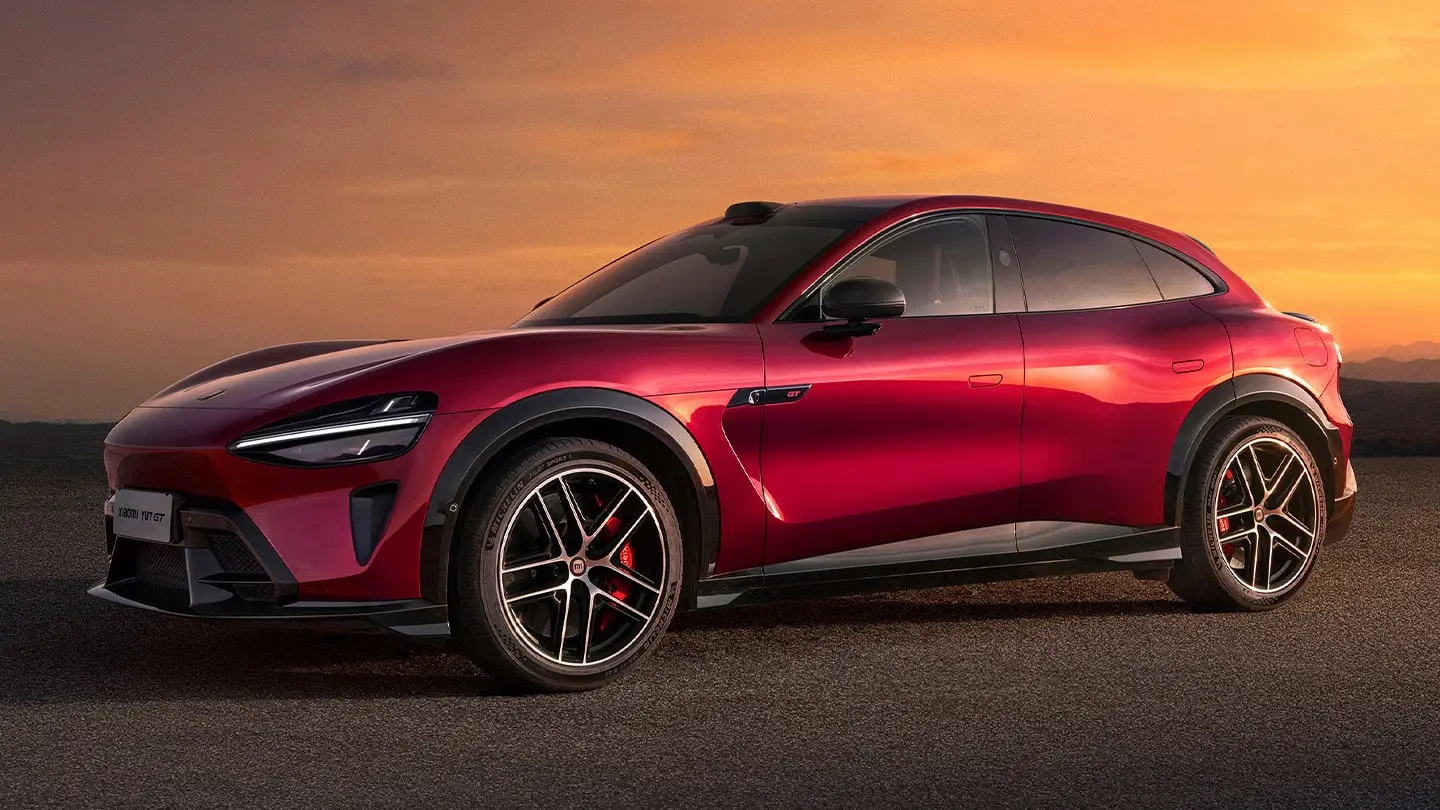
Xiaomi continues its push into the electric vehicle market with plans to launch the YU7 GT, a high-performance SUV variant aimed at the upper end of its growing lineup. The move follows stronger-than-expected sales for the company’s automotive division, which delivered more than 30,000 vehicles in April 2026, up from 21,440 the previous month. While these figures reflect solid momentum in China’s competitive EV segment, they also highlight the steep challenges of scaling manufacturing and logistics in an industry where new entrants often struggle to maintain quality and supply chains.
The YU7 GT is positioned as the performance flagship within Xiaomi’s SUV range. Government filings reveal a sizable vehicle: 5,015 mm long, 2,007 mm wide, 1,597 mm tall, with a 3,000 mm wheelbase. Those dimensions suggest a focus on interior space and practicality, yet the powertrain points firmly toward speed. A dual-motor setup is expected to deliver around 738 kW, or roughly 990 horsepower, supporting a claimed top speed of 300 km/h and 0-100 km/h acceleration in about two seconds. Such specifications place it in territory occupied by established high-performance electric SUVs, though real-world range, handling, and durability will ultimately determine its credibility.
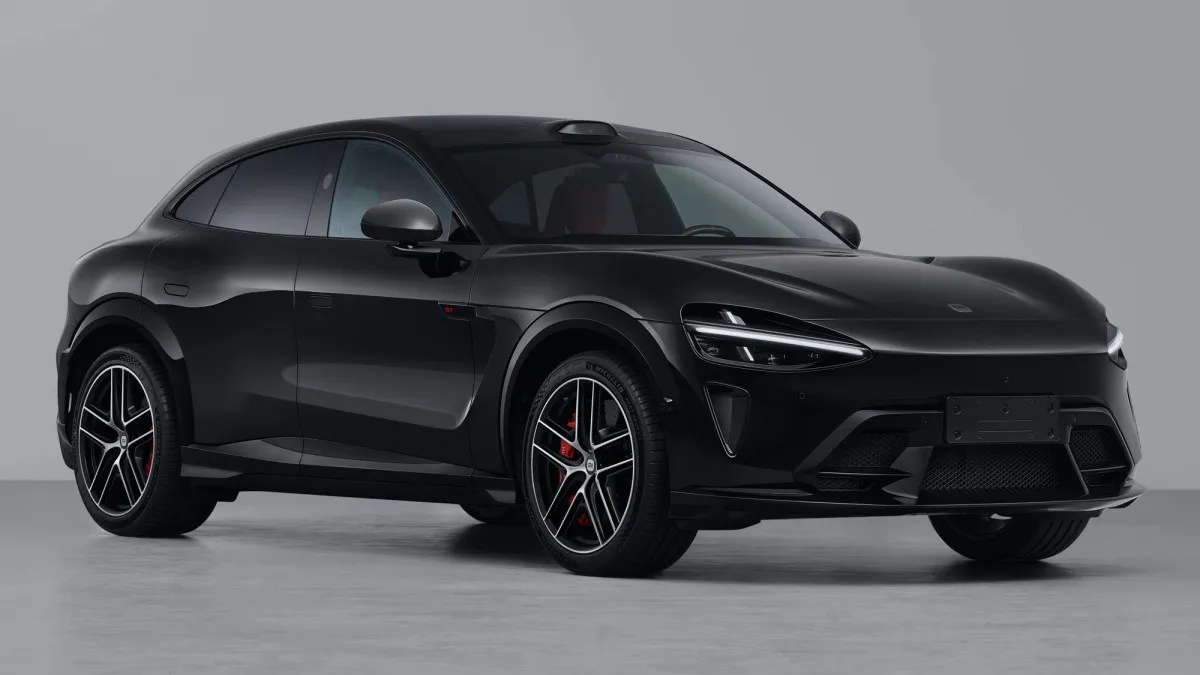
The model is scheduled for an official unveiling later in May 2026, with pricing projected between 450,000 and 500,000 yuan. At that level, it will compete directly against offerings from traditional luxury brands and domestic rivals that have spent years refining their electric platforms. Xiaomi’s approach relies on its existing strengths in consumer electronics, supply chain management, and rapid product iteration, capabilities that helped its initial SU7 model gain attention. Yet entering the premium performance space introduces new complexities around battery technology, thermal management, and long-term reliability that go beyond smartphone manufacturing expertise.
Xiaomi’s broader EV ambitions reflect the intense consolidation underway in China’s electric vehicle industry. Many newcomers have flooded the market in recent years, driving innovation and price competition while also producing overcapacity concerns. Success for the YU7 GT will depend not only on headline performance numbers but on consistent production quality, dealer networks, and customer support, areas where tech brands transitioning to automobiles have sometimes stumbled. Global expansion beyond China remains another open question, as regulatory hurdles, tariffs, and brand perception could slow international growth.
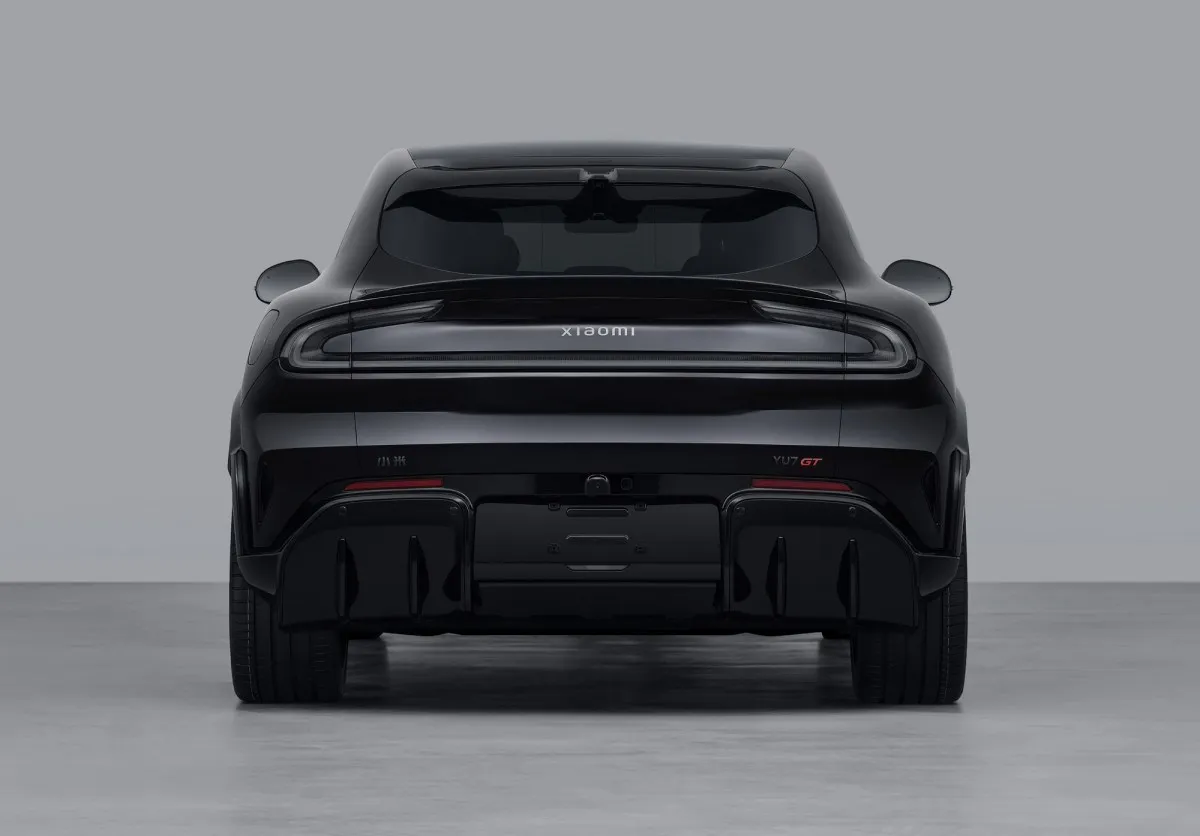
Overall, the YU7 GT represents another step in Xiaomi’s attempt to transform from a consumer electronics company into a diversified technology and mobility player. The rapid sales growth is noteworthy, but the automotive sector demands patience and precision that differ markedly from the smartphone world. Whether the performance SUV can deliver on its ambitious specifications while building lasting trust will be a critical test for the company’s long-term strategy in electric mobility.