

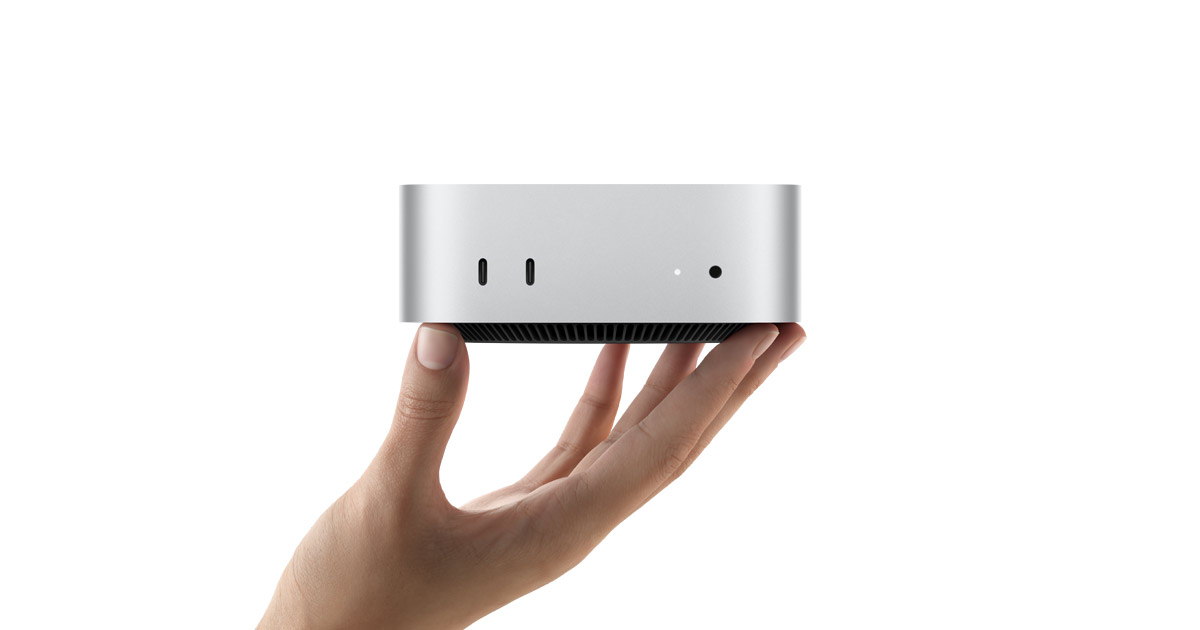
Apple has acknowledged ongoing supply constraints for its Mac mini and Mac Studio desktops, warning that shortages could persist for several months. The update came during the company’s Q2 2026 earnings call, where executives admitted that demand has outstripped production capacity for these compact desktop models.
The Mac mini, in particular, occupies a distinctive position in Apple’s lineup. Once viewed primarily as an entry-level or secondary machine, recent generations powered by Apple Silicon have elevated its capabilities, attracting developers, content creators, and users seeking efficient, space-saving desktops for more demanding workloads. This shift has apparently caught the company off guard. Chief Executive Tim Cook noted that Apple “undercalled the demand” for both the Mac mini and the higher-end Mac Studio, leading to the current imbalance between supply and sales.
Broader Mac performance remains solid. The division generated $8.4 billion in revenue during the quarter, contributing to Apple’s overall $111.2 billion in total revenue, a 17 percent increase year on year. While these figures reflect healthy interest in desktop systems, the persistent shortages highlight recurring challenges in Apple’s supply chain management. The company has faced similar issues in the past with popular products, where strong initial uptake quickly depletes inventory and takes time to replenish, especially amid global component complexities and manufacturing dependencies.
For potential buyers, the situation means longer wait times or limited stock in stores and online, depending on the region. Those planning a purchase in the near term may need to consider alternatives or prepare for delays stretching into the second half of the year. The Mac mini’s growing appeal stems from its combination of performance gains, energy efficiency, and small footprint, making it suitable for professional setups, home servers, or compact creative workstations. However, this popularity also exposes the limitations of just-in-time manufacturing strategies when consumer interest accelerates faster than expected.
Critically, sustained shortages can frustrate customers and create opportunities for competitors offering Windows-based mini PCs or alternative compact desktops. Apple’s ability to resolve these issues will depend on scaling production without compromising quality or introducing new bottlenecks. The company has historically managed to catch up on high-demand items, but the timeline of “several months” suggests this particular cycle may test buyer patience, especially for professionals who rely on timely hardware upgrades.
In the wider context of personal computing, the Mac mini’s trajectory illustrates how Apple Silicon has reshaped expectations for desktop performance. What began as a modest machine has evolved into a more serious option for users who previously might have chosen larger towers. Whether the current shortage represents a temporary surge or signals longer-term structural demand remains to be seen, but it underscores the Mac mini’s quiet evolution from niche product to a more central part of Apple’s desktop strategy.