
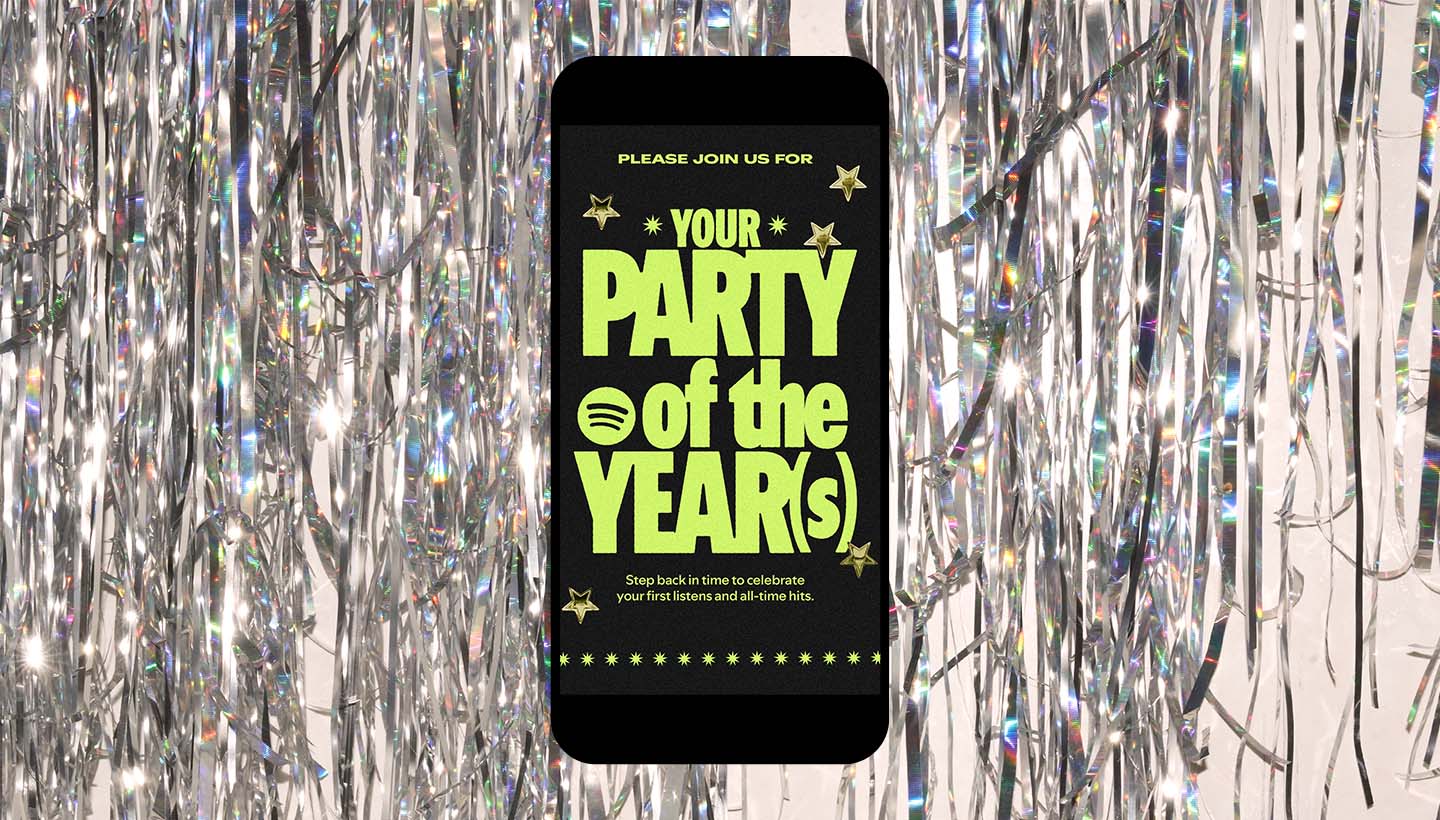
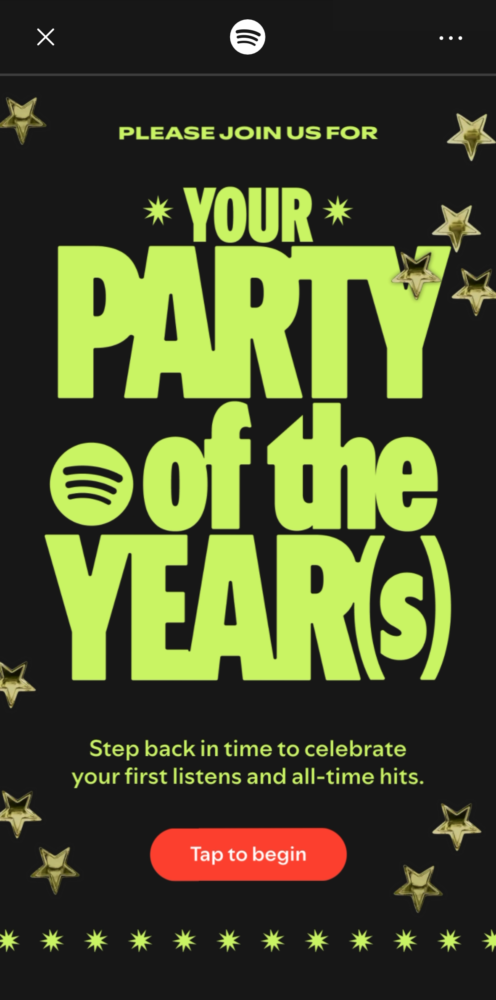
Spotify is marking two decades in business with a new personalized recap feature that lets long-time users revisit their listening habits since joining the platform. Available now in the mobile app, the “Spotify 20: Your Party of the Year(s)” experience pulls together data points that were previously unavailable in one place, offering a retrospective look at individual listening histories rather than the usual yearly summaries.
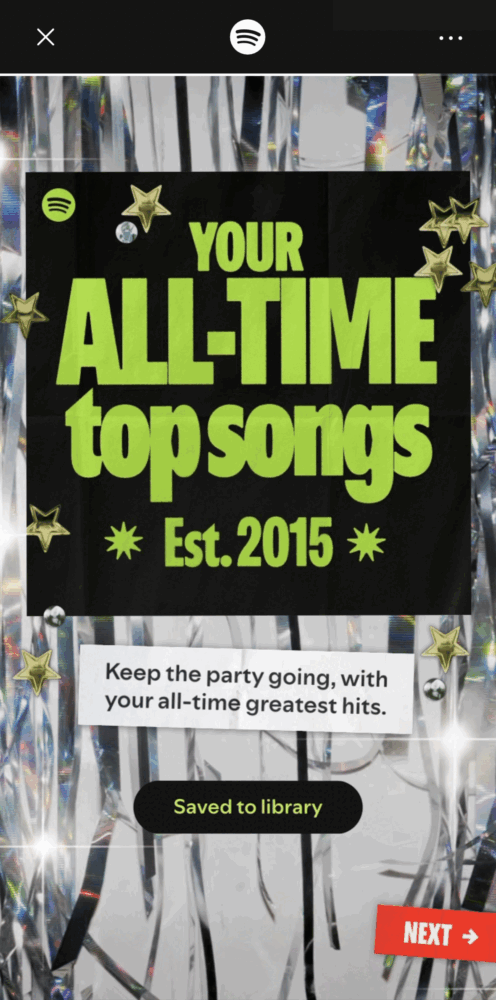
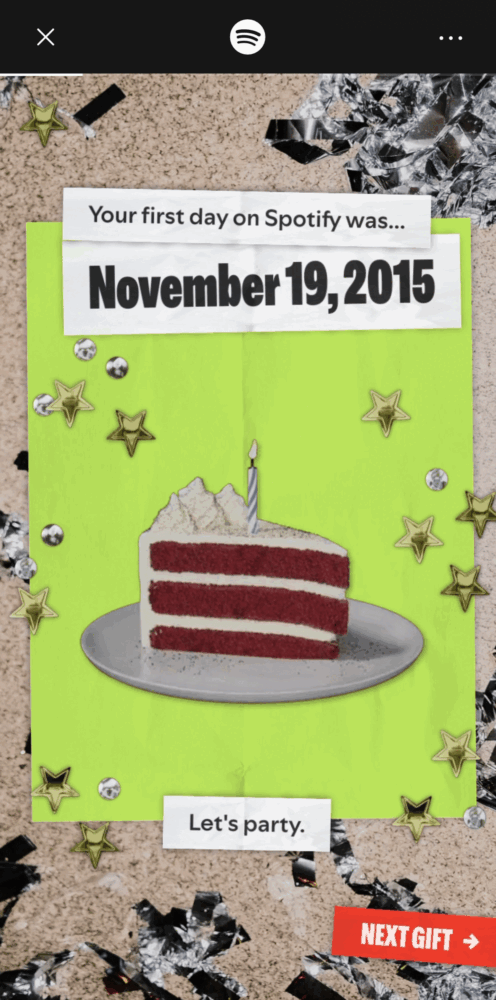
Users can see their first day on Spotify, the total number of unique songs streamed, the very first track played, and their all-time most streamed artist. The centerpiece is an all-time top 120 songs playlist that displays play counts for each track and can be saved directly to a user’s library. Each element comes with a custom share card designed for social media, making it easy to post highlights on Instagram or elsewhere.
To access it, open the Spotify app and search for “Spotify 20” or “Party of the Year(s),” or visit spotify.com/20 on a mobile browser. The feature is framed as a time capsule, surfacing moments that shaped personal listening journeys over the past 20 years.
Spotify launched in 2006 as one of the first mainstream on-demand streaming services, fundamentally changing how people discovered and consumed music. What began as a European startup quickly expanded globally, amassing hundreds of millions of users and reshaping the economics of the recording industry. Yet the company has faced persistent criticism over artist payouts, market dominance, and the opacity of its algorithms. Features like this anniversary recap serve as both nostalgia bait and subtle reminders of how much data users have handed over during that time.
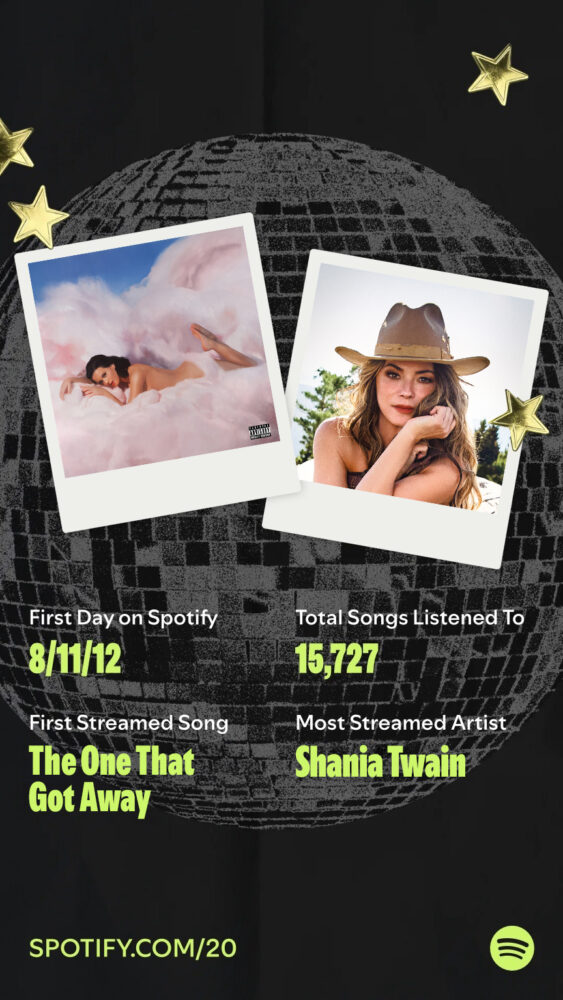
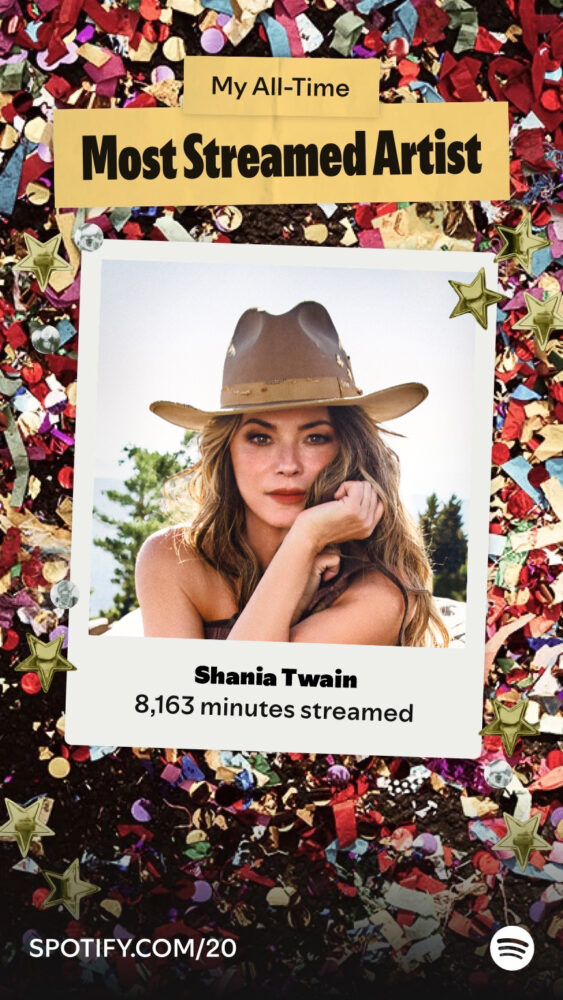
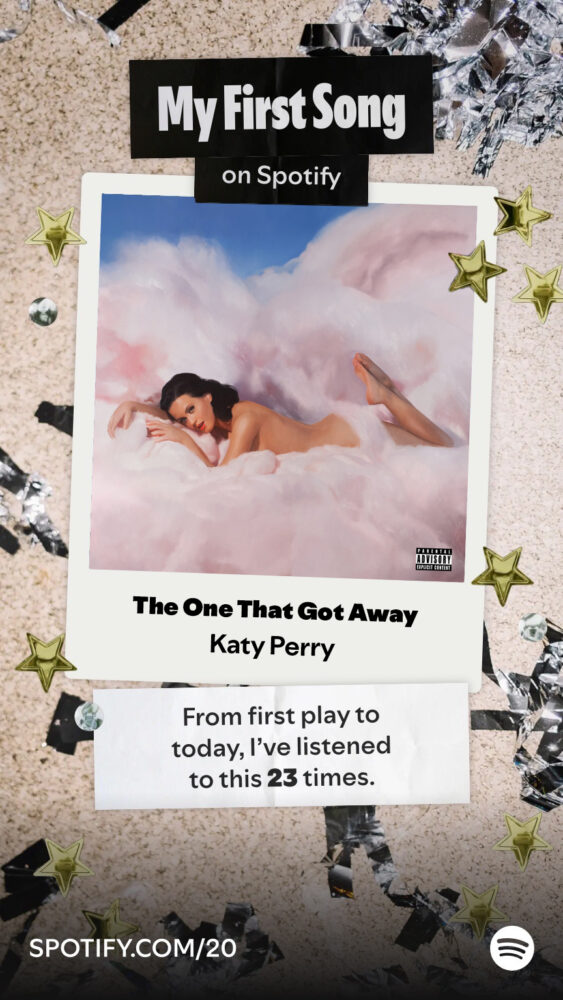
The new experience builds on the annual Spotify Wrapped campaigns that have become cultural events in their own right. While Wrapped focuses on the previous 12 months and leans heavily into shareable visuals and memes, this 20-year version digs deeper into historical listening patterns. It is a logical extension, but one that also highlights the platform’s long-term data collection practices. For users who joined early, the numbers can be sobering—thousands of unique tracks and play counts that reveal just how much time has been spent inside the app.
That said, the feature feels more reflective than revolutionary. It does not introduce new functionality beyond data visualization and sharing, nor does it address ongoing debates about streaming royalties or playlist curation power. Instead, it capitalizes on the human tendency to look back at milestones, packaging personal data into something emotionally resonant and socially portable.
For a service that has spent two decades embedding itself into daily routines, this kind of anniversary content makes commercial sense. It encourages users to open the app, reminisce, and perhaps rediscover older favorites. Whether it sparks genuine reflection on music habits or simply generates another wave of social media posts remains to be seen. In an industry where attention is currency, turning two decades of user data into shareable nostalgia is a pragmatic move.