
LG’s webOS platform continues to refine the smart TV experience by consolidating streaming services, live television, and free channels into a single interface. Rather than fragmenting viewing across multiple apps and devices, the system organizes content in one place, an approach that addresses a common frustration in today’s cluttered entertainment environment.
At its core, webOS prioritizes straightforward navigation. The home screen presents options clearly, minimizing menu layers and reducing the friction that often accompanies content discovery on competing platforms. Viewers can switch between premium streamers, broadcast channels, and LG’s own free ad-supported service without repeated logins or app hopping. LG Channels, the company’s free streaming tier, provides a growing library of movies, series, news, sports, and niche programming, accessible directly on compatible LG TVs, monitors, and projectors. This no-subscription model adds genuine convenience for users wary of rising streaming costs.
Personalized recommendations form another key element. By tracking viewing patterns, the platform surfaces suggestions that aim to cut down search time. In practice, this works reasonably well for habitual watchers, though it risks reinforcing narrow tastes in an era when algorithms already shape much of what people see. Still, the intent—to make discovery feel effortless rather than exhaustive—reflects a sensible response to content overload. Voice control and basic AI assistance further streamline interactions, allowing quick queries for sports scores or show details without typing.
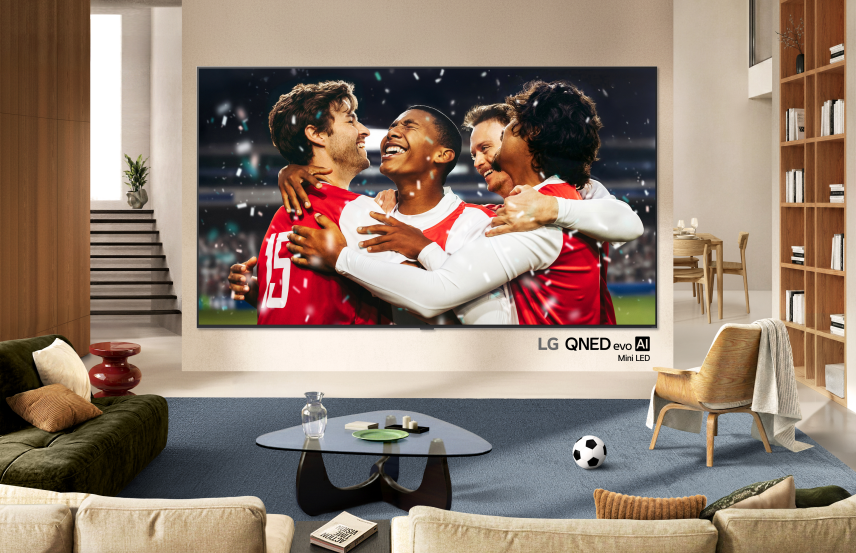
The 2026 updates on LG QNED evo models build on this foundation with sports-focused tools. A dedicated Sports Portal aggregates live matches, schedules, standings, and scores in one hub, while customizable alerts notify users of developments for chosen teams or leagues. An AI concierge feature promises voice-activated stats and insights. These additions cater to football fans seeking a more integrated viewing setup, especially during major tournaments, though their usefulness will depend on data accuracy and regional availability.
webOS has now powered LG televisions for over a decade. What began as a relatively simple operating system has evolved into a broader ecosystem, with partnerships extending to hospitality and automotive applications. This longevity gives it an edge in consistency compared with platforms that have undergone more disruptive redesigns. Yet challenges remain familiar across the industry: reliance on stable internet, potential privacy implications of habit tracking, and the reality that no single interface can fully escape the fragmentation of modern media rights.
Overall, webOS delivers a pragmatic, user-oriented take on smart TV software. It does not claim to reinvent home entertainment but focuses instead on reducing daily annoyances—endless scrolling, buried settings, and disjointed apps. In a market saturated with options, that measured simplicity may prove more valuable than flashy new features alone.