
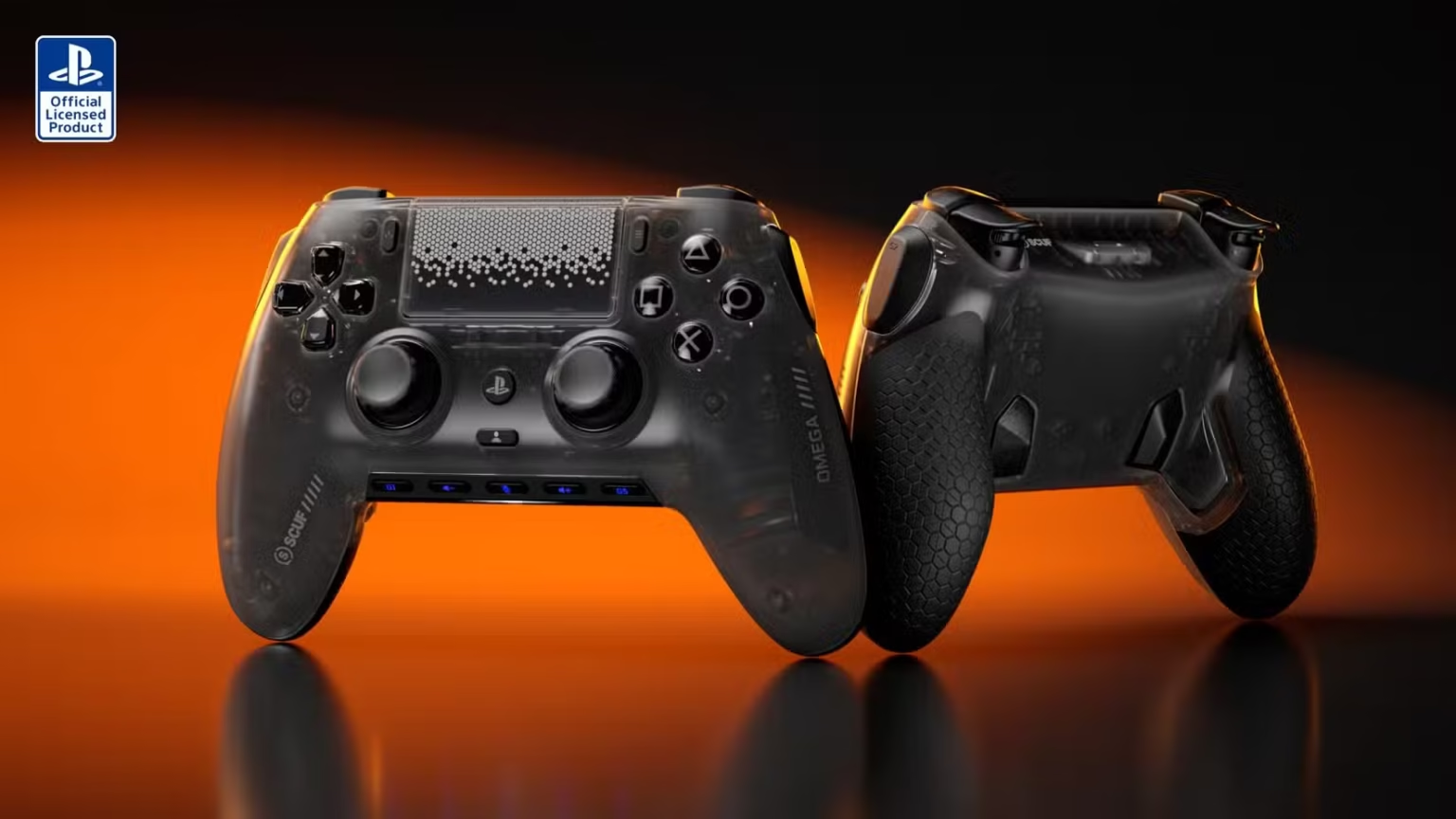
PlayStation has introduced the Scuf Omega, a new officially licensed controller for the PS5 aimed primarily at competitive players. Announced via the official PlayStation Blog, the device adds multiple programmable inputs and performance-oriented hardware tweaks to the familiar DualSense foundation, reflecting the growing demand for specialized gear in esports and high-level gaming.
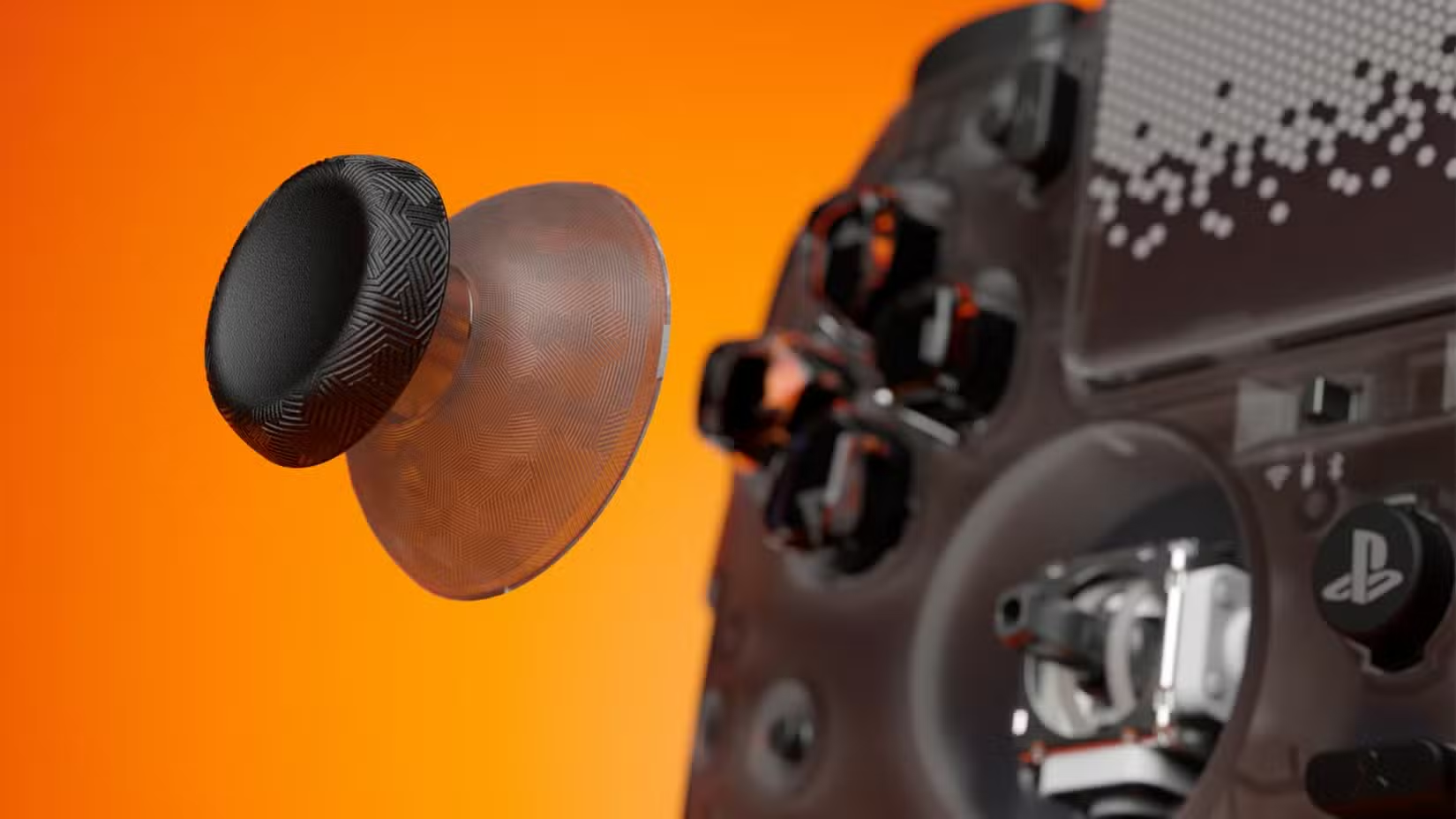
The most noticeable upgrades include four rear paddles, two side buttons, and five customizable G-Keys that players can remap directly on the controller or through the companion Scuf Mobile App. The app also allows analog stick calibration to minimize dead zones, profile management, and battery monitoring. Hardware specifications emphasize responsiveness: magnetic non-contact thumbsticks, Omron mechanical switches, a 1K polling rate, and triggers that can switch between click and analog modes. Notably, the design omits vibration feedback entirely to reduce weight and avoid potential interference with precision inputs.
These changes position the Scuf Omega as a tool for serious competitors rather than everyday console users. The absence of haptic features that have become a signature part of the standard DualSense experience underscores a clear trade-off: performance optimization over immersion. While this makes sense for tournament settings where every millisecond counts, it limits broader appeal in single-player or casual games where vibration and adaptive triggers enhance atmosphere.
Pricing reinforces the pro focus. The base model launches at $219.99, with certain color variants reaching $229.99 and pro-player or team editions at $239.99. For context, a standard PS5 DualSense retails around $74, and even recent third-party options like Valve’s Steam Controller have drawn scrutiny at roughly half the cost. The premium reflects the added components and esports pedigree, yet it raises familiar questions about accessibility in gaming hardware. As console manufacturers and accessory makers push deeper into performance peripherals, the gap between entry-level and enthusiast equipment continues to widen, potentially pricing out many dedicated but non-professional players.
The Scuf Omega arrives amid a busier hardware landscape. Valve has expanded its Steam Deck ecosystem this year, and Xbox has previewed next-generation ambitions with Project Helix. Sony’s move here stays within the current PS5 generation rather than signaling any immediate successor console, consistent with the platform’s extended lifecycle. Fifteen color and design variations offer some personalization, but the real value will depend on durability under extended competitive use and whether the software ecosystem for remapping remains reliable over time.
For most PS5 owners, the standard DualSense or its official variants still deliver a capable experience at a fraction of the cost. The Scuf Omega caters to a narrower segment where small input advantages can justify significant expense. Its success will hinge less on flashy specs and more on whether it delivers tangible improvements in actual gameplay without introducing new points of failure common in heavily modified controllers. In an era of escalating peripheral prices, this release highlights the ongoing tension between innovation for the top tier and affordability for the wider audience.