
Google detailed a range of upcoming Android updates and new hardware at its virtual Android Show event, signaling continued emphasis on AI integration across phones, cars, laptops, and everyday tools. The announcements, timed ahead of the broader I/O conference, focus on Gemini’s expanding role while addressing practical areas like productivity, security, and cross-platform sharing.
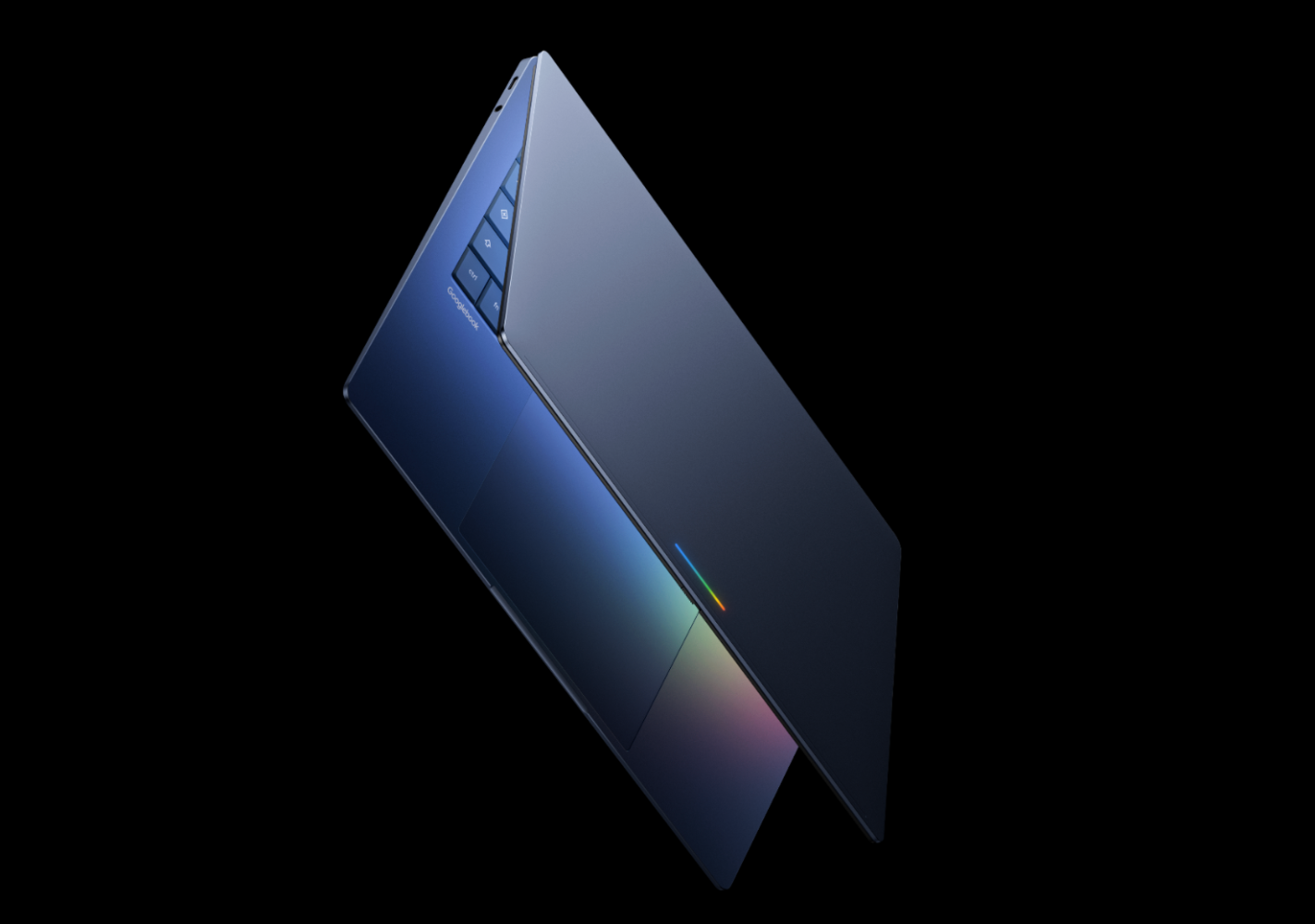
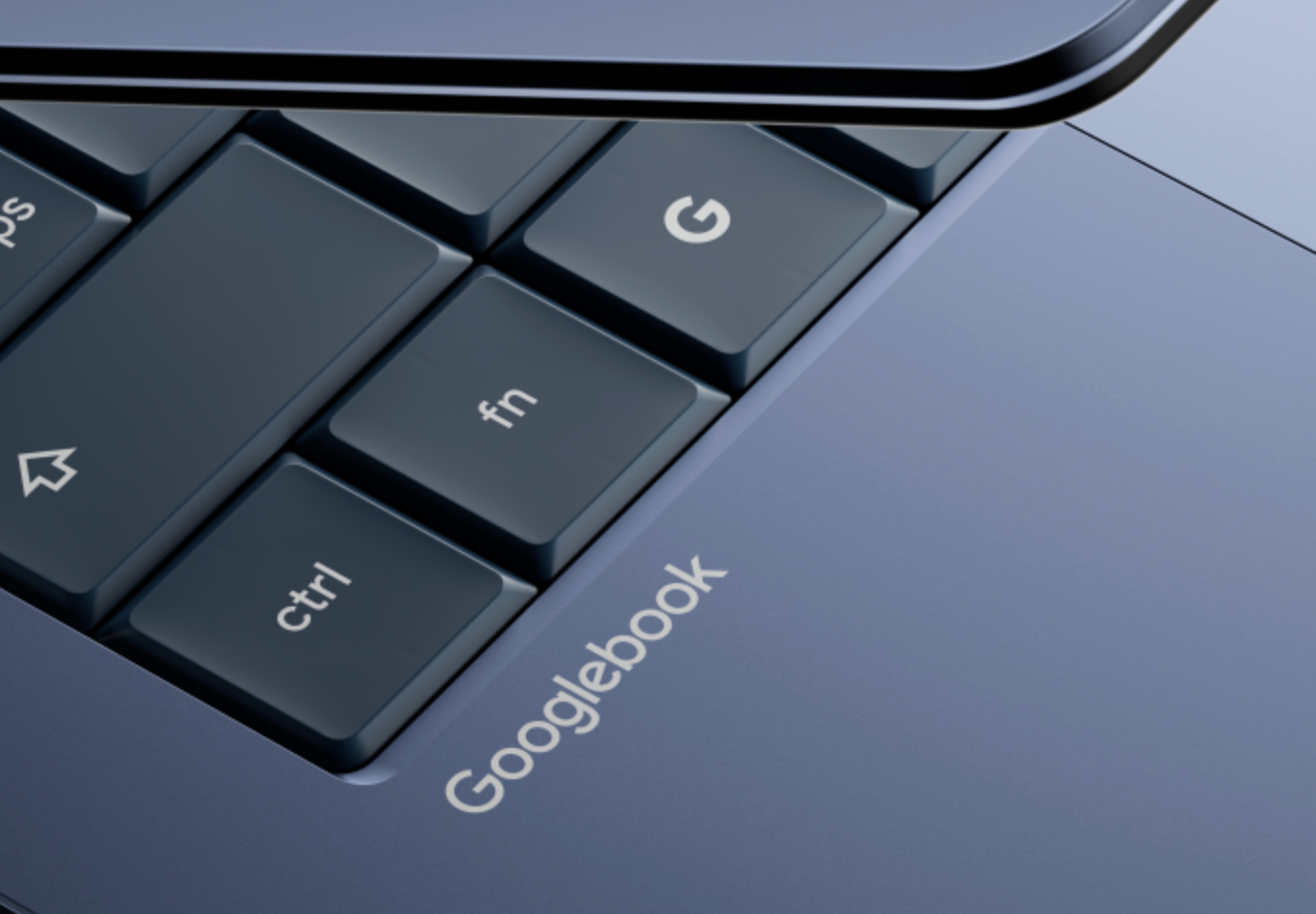
One of the more notable reveals is Googlebooks, a new category of Windows laptops developed with partners including Acer, Asus, Dell, HP, and Lenovo. Set to launch this fall, these devices are built around Gemini Intelligence for what Google describes as personal and proactive assistance. Features include a Magic Pointer cursor with built-in AI capabilities, the ability to run Android phone apps directly on the laptop, and support for custom widgets. While the concept of tighter phone-laptop synergy is appealing, especially for users already in Google’s ecosystem, it remains to be seen how seamlessly these hybrid experiences will perform compared to existing solutions from Microsoft or Apple.
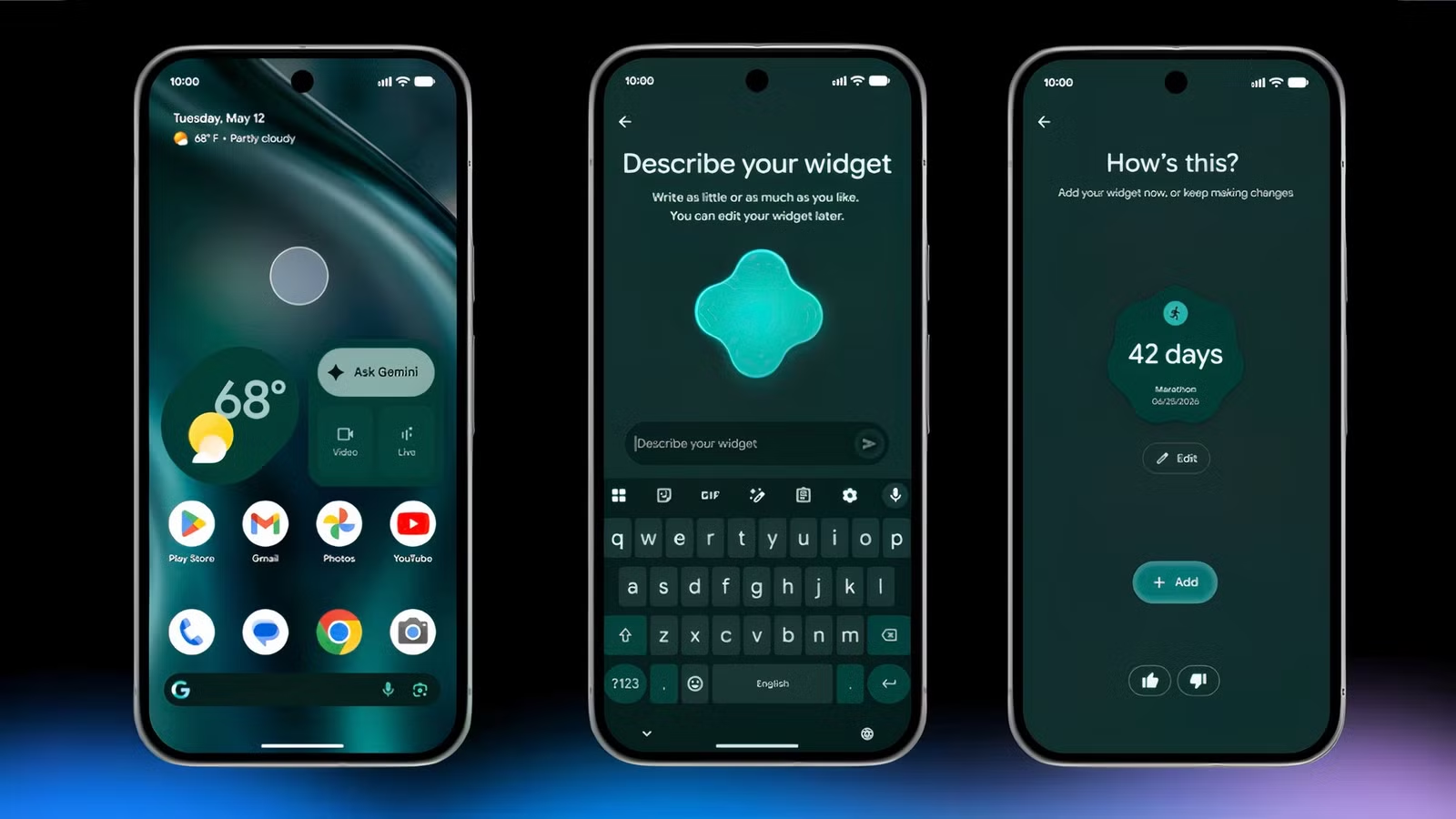
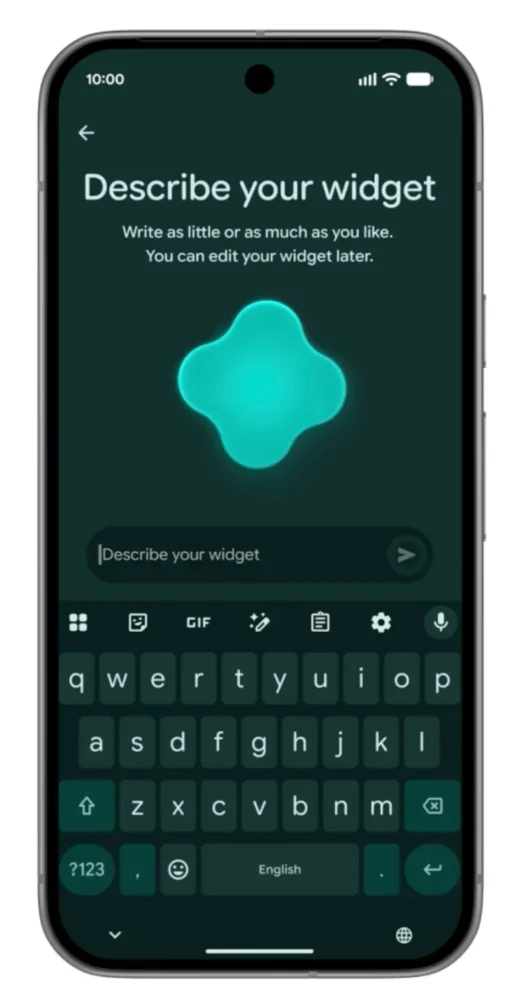
On the phone side, Create My Widget lets users generate custom home-screen widgets through natural language descriptions. A request for weekly meal-prep ideas, for instance, could produce a resizable dashboard. This builds on Android’s long-standing widget flexibility, though success will hinge on how accurately Gemini interprets vague instructions and keeps information up to date without excessive battery drain.
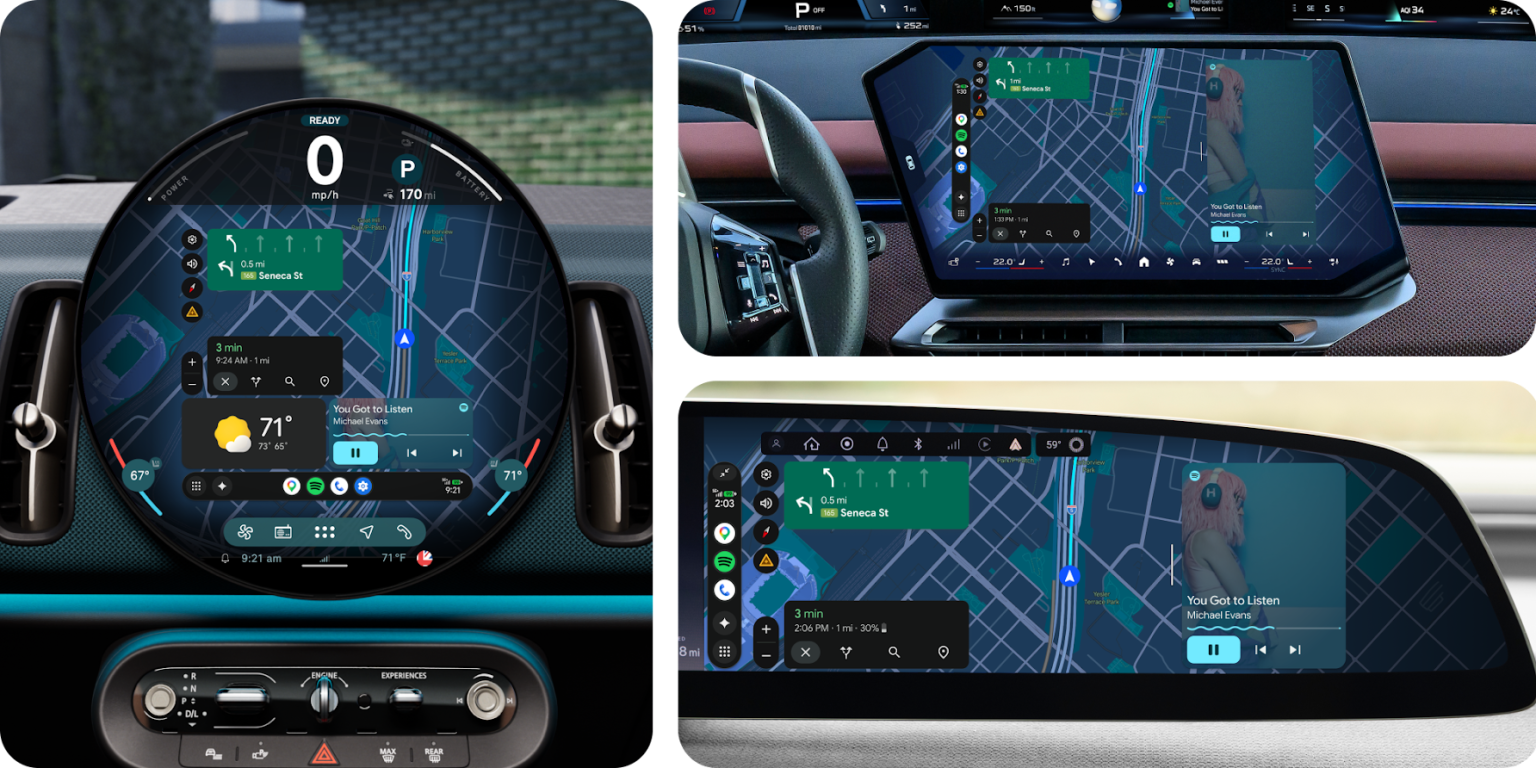
Android Auto receives a significant refresh with edge-to-edge design, greater personalization, and support for widgets even during navigation. Media apps like YouTube Music and Spotify get cleaner interfaces, and supported vehicles from BMW, Ford, Hyundai, and others will allow 60fps full HD video playback later this year. Gemini integration enables hands-free queries and tasks such as DoorDash orders. These changes address real pain points in car-based tech, yet video playback in vehicles continues to raise questions around driver distraction and regulatory alignment.
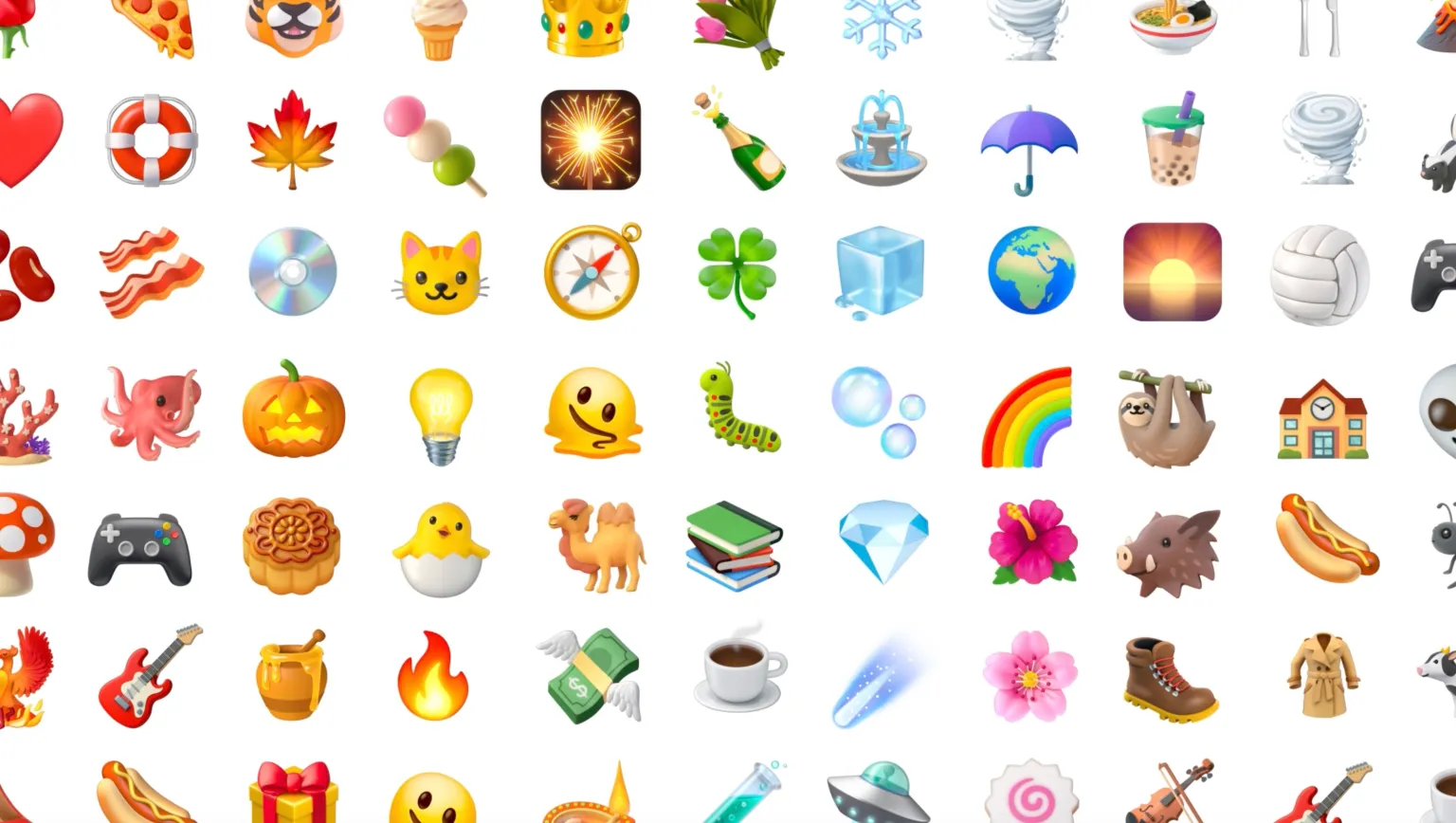
Other additions include refined 3D-style emojis launching later this year, a Screen Reactions tool for simultaneous screen-and-face recording aimed at creators, and deeper Instagram partnerships on Android for better photo and video quality. Gemini’s agentic capabilities expand to multi-step tasks across apps, using screen context or photos—for example, turning a grocery list into a shopping cart or planning events from flyers. Additional tools cover opt-in form autofill, Rambler dictation that cleans up spoken input by removing fillers, broader Quick Share compatibility with iPhones, and an improved iOS-to-Android transfer process that includes passwords, messages, and home-screen layouts.
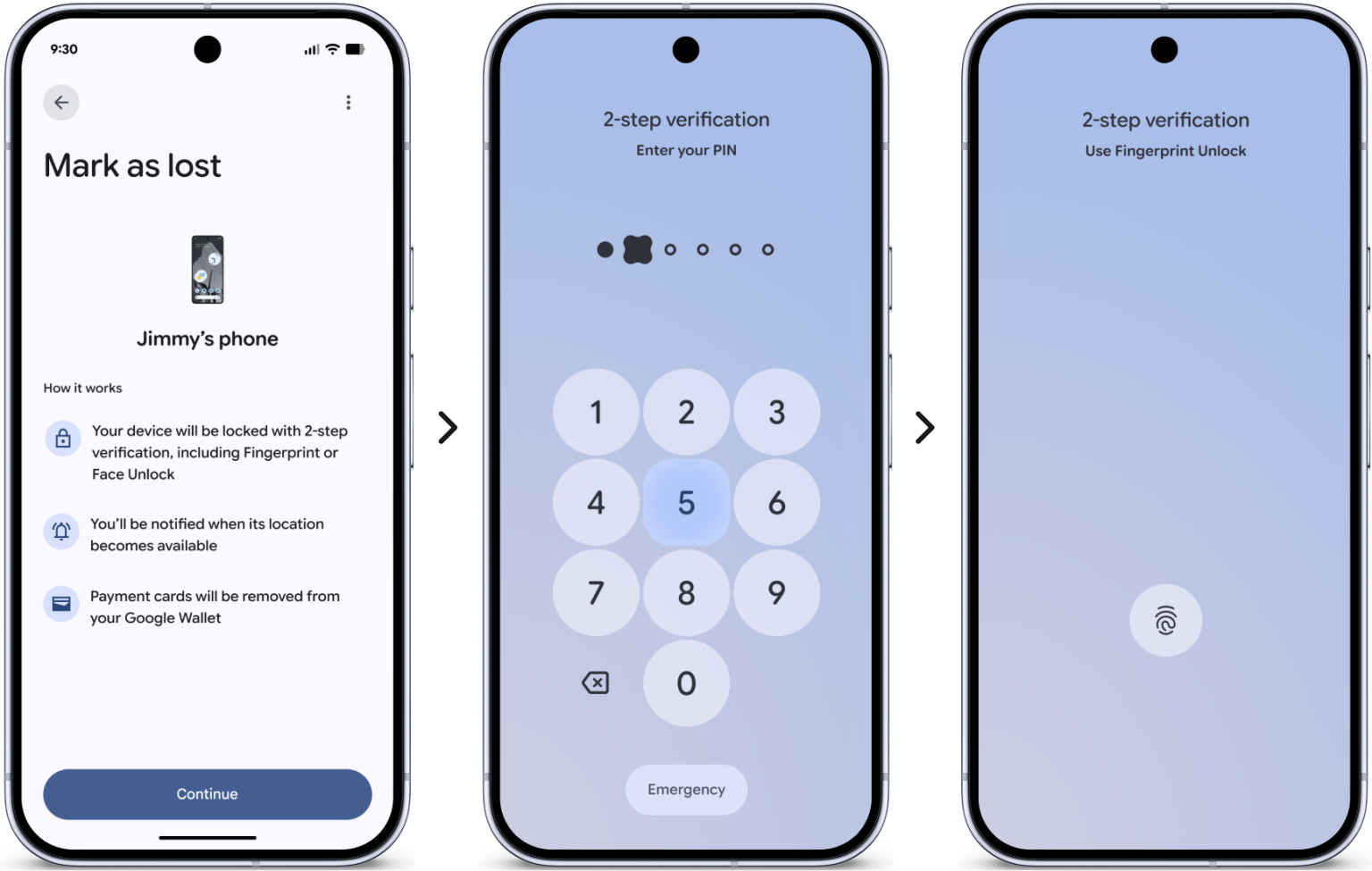
On the behavioral and security fronts, Pause Point introduces a brief delay and alternative suggestions when opening distraction apps, while expanded theft protections—now default on new Android 17 devices—include remote lock features, reduced PIN guessing attempts, and law enforcement IMEI access. These reflect growing awareness of digital wellbeing and device security amid rising theft and spyware concerns.
Collectively, the announcements show Google iterating steadily on Android’s strengths in customization and connectivity while leaning harder into AI assistance. Many features feel like refined extensions of existing tools rather than breakthroughs, and their real impact will depend on reliability, privacy safeguards, and performance across varied hardware. In a competitive landscape where Samsung, Apple, and others push similar conveniences, Google’s approach prioritizes breadth over radical reinvention.