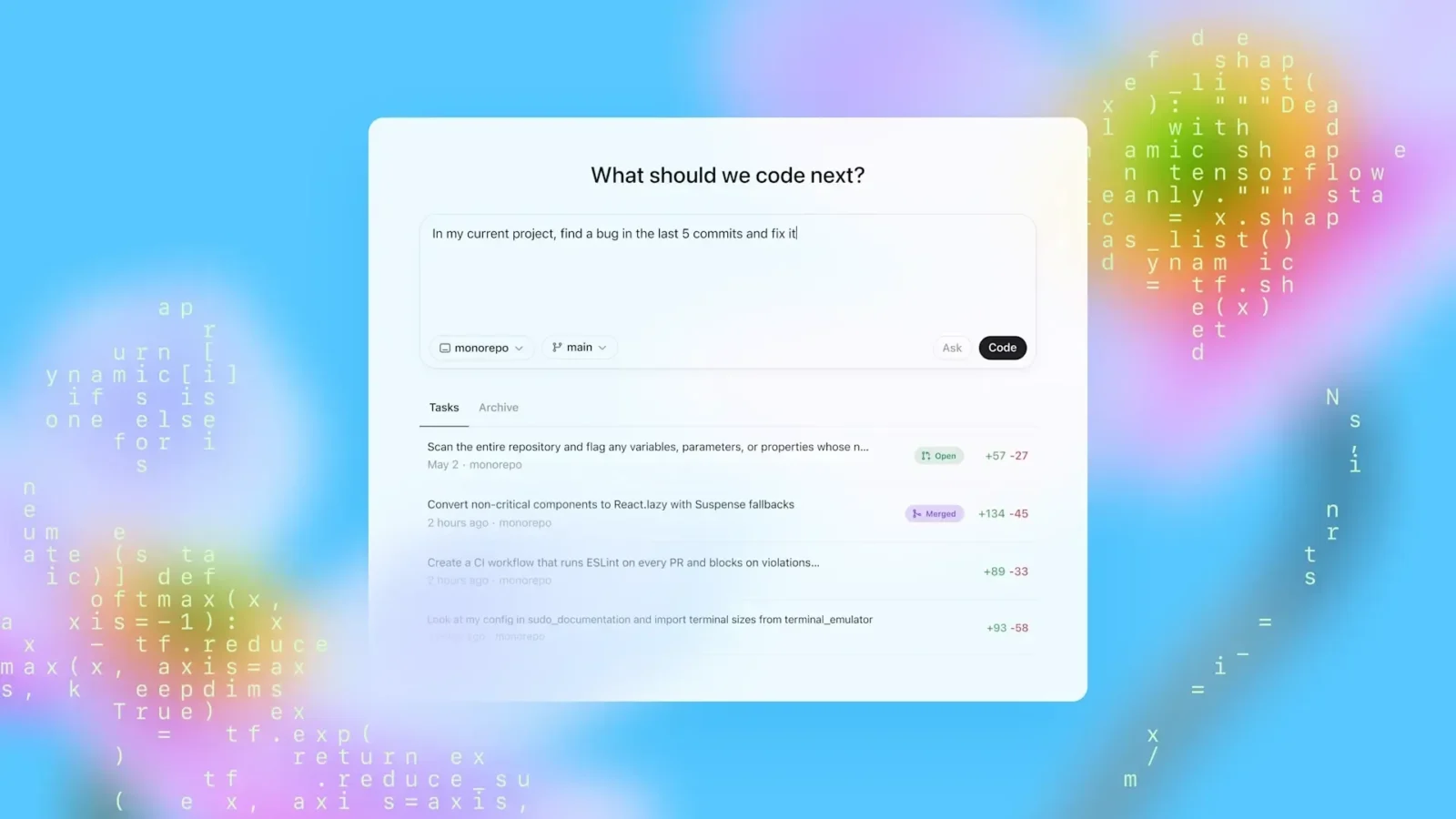


In a move that raises questions about intellectual property and ethical boundaries in AI development, OpenAI has suspended the account of ByteDance, the parent company of TikTok, after discovering its unauthorized use of the powerful generative pre-trained transformer (GPT) language model.
Reports reveal that ByteDance employed OpenAI’s GPT technology to train its own competing AI model in China, allegedly violating the developer license agreements outlined by both OpenAI and Microsoft, a major investor in the organization. This action sent shockwaves through the tech world, sparking concerns about potential misuse of cutting-edge AI technology and the need for robust safeguards in a rapidly evolving landscape.
The ramifications of this suspension are significant. While the details of ByteDance’s alleged transgression remain under investigation, the potential misuse of OpenAI’s technology carries serious implications. Intellectual property protection in the realm of AI is a complex and developing issue, and this incident highlights the need for clear guidelines and legal frameworks to ensure responsible use of these powerful tools.
Furthermore, the incident raises concerns about the potential for malicious actors to exploit AI technology for nefarious purposes. The ability to train competing models based on another company’s work could lead to the proliferation of biased or harmful AI systems, with unpredictable consequences for individuals and society at large.
The OpenAI suspension serves as a cautionary tale, reminding us of the responsibility that comes with developing and deploying sophisticated AI technology. As AI becomes increasingly prevalent in our lives, it is crucial to establish ethical frameworks and regulatory measures to ensure its safe and responsible use. This includes:
- Clearer licensing agreements: Developers and researchers need access to advanced AI models like GPT, but these agreements must be clear and unambiguous regarding acceptable use and limitations.
- Improved transparency: Openness about the algorithms and datasets used to train AI models is vital to building trust and ensuring accountability.
- Strengthened ethical guidelines: Robust ethical frameworks must be established to guide the development and deployment of AI in a way that prioritizes human well-being and societal benefit.
The OpenAI-ByteDance saga is just one example of the complex challenges we face in navigating the emerging world of AI. By addressing these challenges head-on, we can ensure that this powerful technology serves humanity’s best interests and creates a future filled with positive possibilities.