

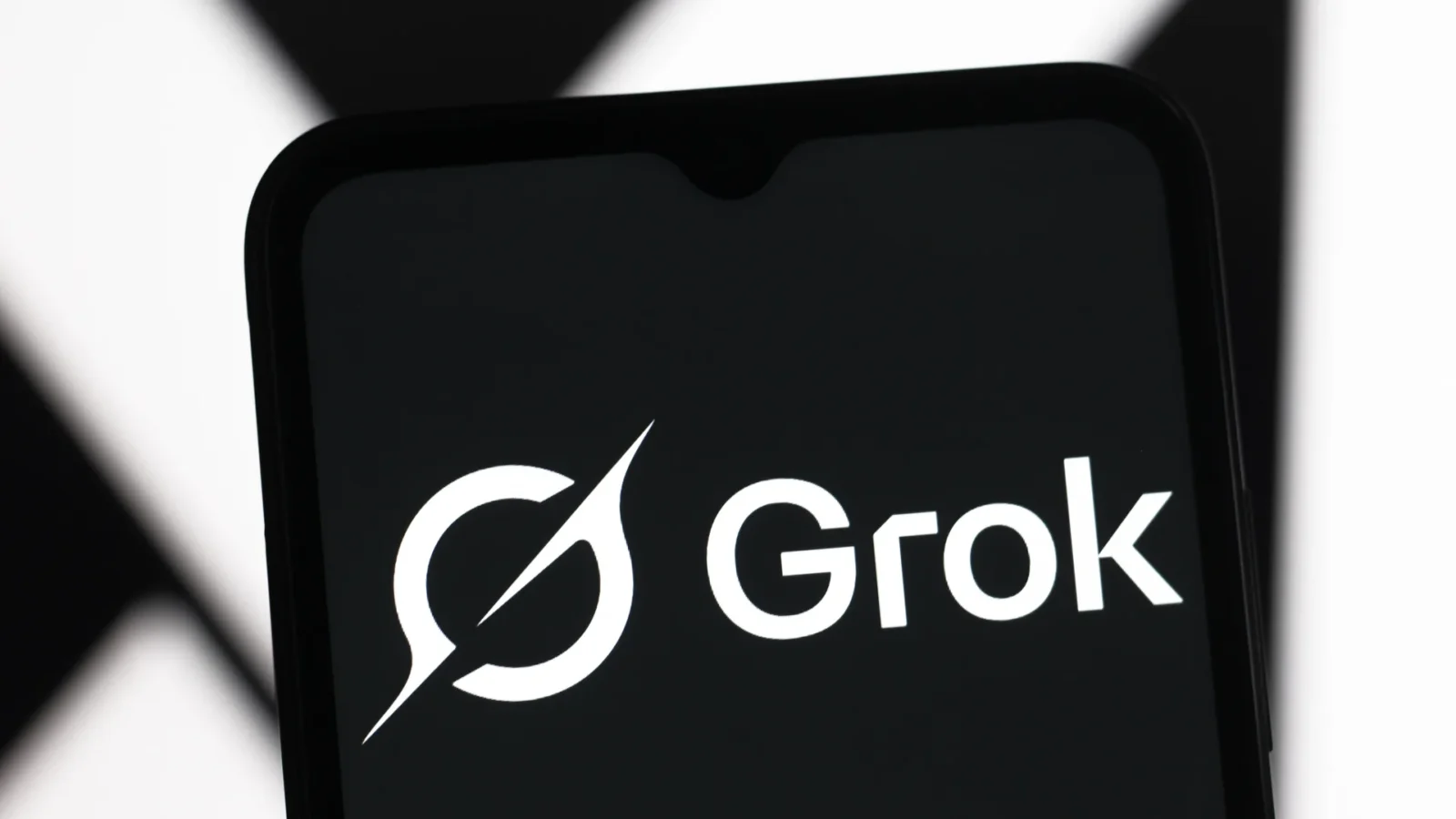
Grok is preparing to join ChatGPT and Perplexity as an AI assistant available directly through Apple CarPlay, extending its voice capabilities beyond Tesla vehicles into the broader iPhone ecosystem.
According to code spotted in the latest Grok iPhone app update, a CarPlay interface is in development with the message “Grok Voice mode coming soon to CarPlay.” While xAI has not announced an official launch date, the placeholder strongly suggests the feature will arrive in the near term. This marks a notable expansion for Grok, which until now has been largely confined to Tesla cars as a built-in assistant.
The move places Grok in a rapidly crowding field of AI tools fighting for dashboard real estate. ChatGPT reached CarPlay in March 2026, followed by Perplexity in April. Unlike those earlier arrivals, which support both text and voice, Grok is expected to emphasize its Voice mode—a more conversational, real-time experience designed for situations where drivers cannot safely look at a screen. In theory, this focus aligns well with the hands-free, eyes-forward reality of driving, where quick, natural spoken interaction matters most.
For non-Tesla drivers, the change broadens access considerably. Millions of iPhone users could soon summon Grok for navigation help, music requests, information lookups, or casual conversation without needing a dedicated Tesla. Yet it also highlights how fragmented the in-car AI landscape has become. Google, rather than building a standalone Gemini CarPlay app, is integrating its AI into a revamped Siri, set to appear in iOS 27 later this year. Apple itself continues developing its own Siri improvements and a potential standalone app, choosing to work through its ecosystem rather than opening the door fully to third-party competitors.
CarPlay’s transformation into an AI battleground reflects both opportunity and risk. On one hand, better voice assistants could reduce driver distraction by handling tasks more intelligently than older systems ever managed. On the other, the sudden proliferation of competing AIs raises questions about consistency, data privacy, and cognitive overload—will drivers really benefit from choosing between four or five different chatbots while behind the wheel? Past in-car voice systems have often frustrated users with misinterpretations and rigid commands; whether these newer large language models deliver meaningful improvement in noisy, high-stakes driving environments remains to be seen.
The development also underscores a shift in how AI companies view the car as a platform. What began as smartphone mirroring has evolved into a prime context for voice-first AI, where context awareness and reliability carry higher stakes than on a phone. Success here will likely depend less on clever personality traits and more on how seamlessly the assistant understands interrupted sentences, handles background noise, and avoids unnecessary chatter.
As more AI assistants compete for CarPlay space, the real test will be which one feels least intrusive and most useful during actual drives. For now, Grok’s arrival adds another option to an already busy dashboard, continuing the broader push to make artificial intelligence a constant companion in everyday mobility.