
In a groundbreaking moment, Neuralink unveiled the first human to receive their brain implant: Noland Arbaugh, a 29-year-old man paralyzed from the shoulders down after a diving accident. During a livestream on X, Arbaugh demonstrated astonishing control over online chess and the video game Civilization using only the Neuralink device. “It’s pretty cool, huh?” he remarked as he moved a digital chess piece.
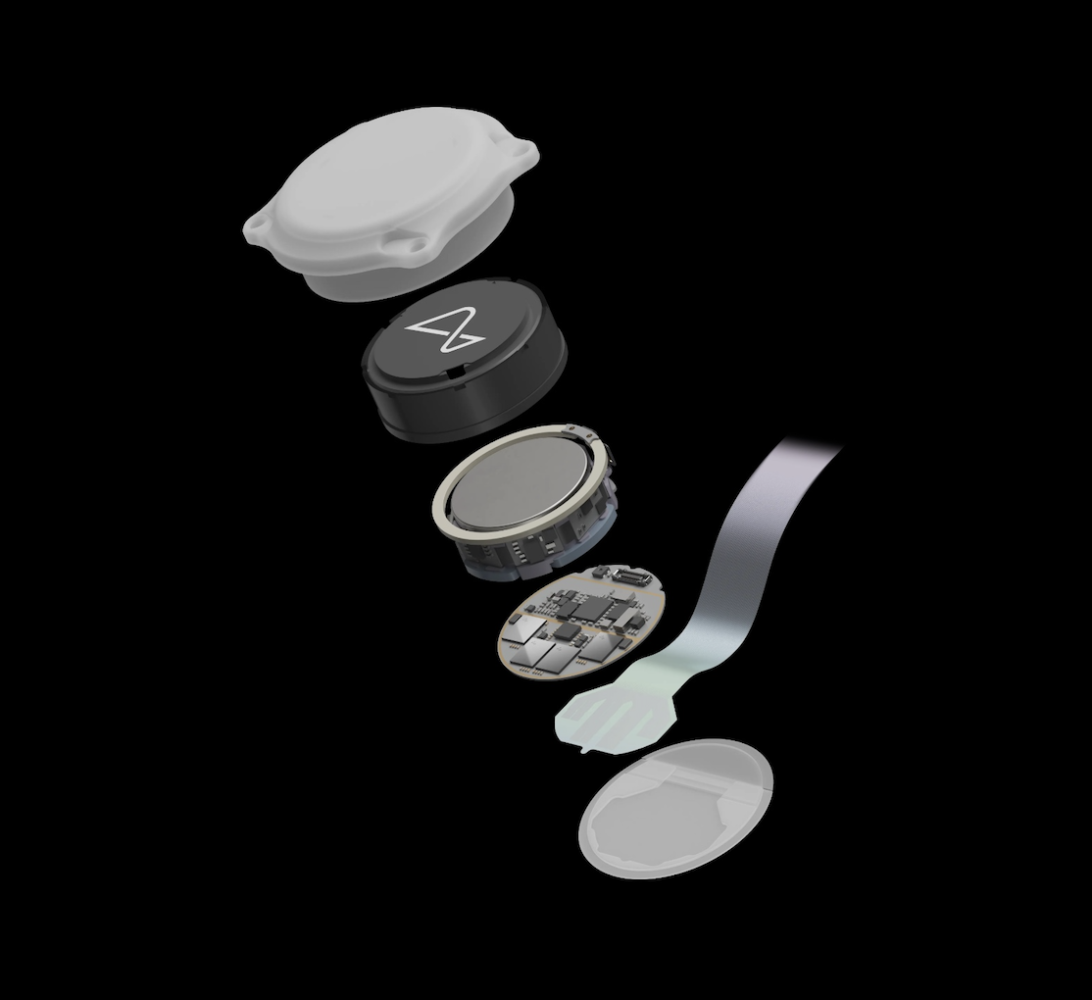
Neuralink, cofounded by Elon Musk, is revolutionizing mobility for paralyzed individuals with its brain-computer interface (BCI) technology. By decoding brain signals, the device translates movement intentions into commands, allowing users to control digital devices with their minds.
Arbaugh described his experience learning to use the BCI: “I would attempt to move my right hand… and it just became intuitive to start imagining the cursor moving.” He emphasized the safety and ease of the procedure, calling it “super easy” with no lasting cognitive side effects.
— Neuralink (@neuralink) March 20, 2024
The company, granted FDA approval for human trials last year, has been tight-lipped about its progress until now. Musk previously alluded to a successful human trial in social media posts, but Arbaugh’s demonstration offers the first tangible proof of the device’s capabilities.
While Neuralink faces ethical concerns about transparency and its animal testing practices, this milestone marks a potential turning point for those with paralysis. Arbaugh acknowledged the challenges ahead but emphasizes, “It has already changed my life.” With several companies vying to commercialize BCI technology, Neuralink’s work offers a glimpse into a future where individuals with limited mobility may regain lost independence.