
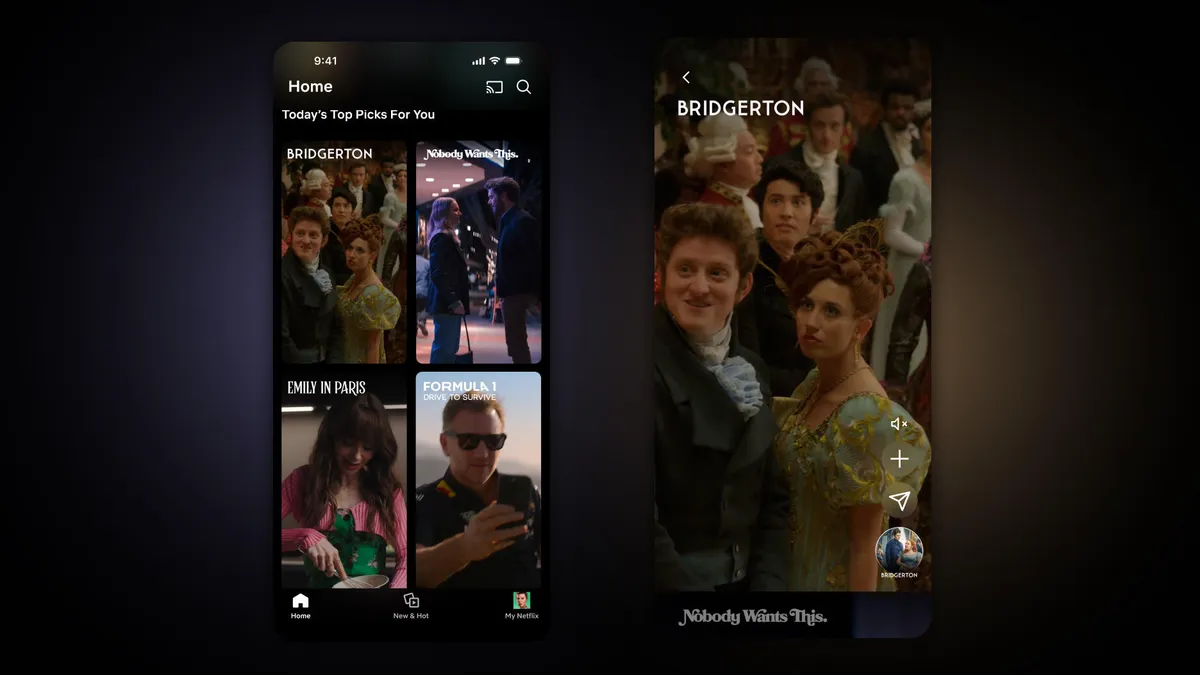
Netflix is preparing to introduce a vertical video discovery feed to its mobile app at the end of April, marking another step in the streaming industry’s ongoing effort to adapt to short-form video habits shaped by platforms like TikTok and YouTube Shorts.
The change, detailed in the company’s first-quarter shareholder letter, aims to update the mobile experience and make it easier for users to browse and engage with content on their phones. Vertical clips and trailers would appear on the home screen, reflecting Netflix’s expanding library that now includes everything from feature films and prestige series to unscripted shows and bite-sized entertainment. The company first tested the format in early 2025 as a way to improve recommendations, though it remains unclear whether the full rollout will include interactive options such as adding titles to watchlists or sharing directly from the feed.
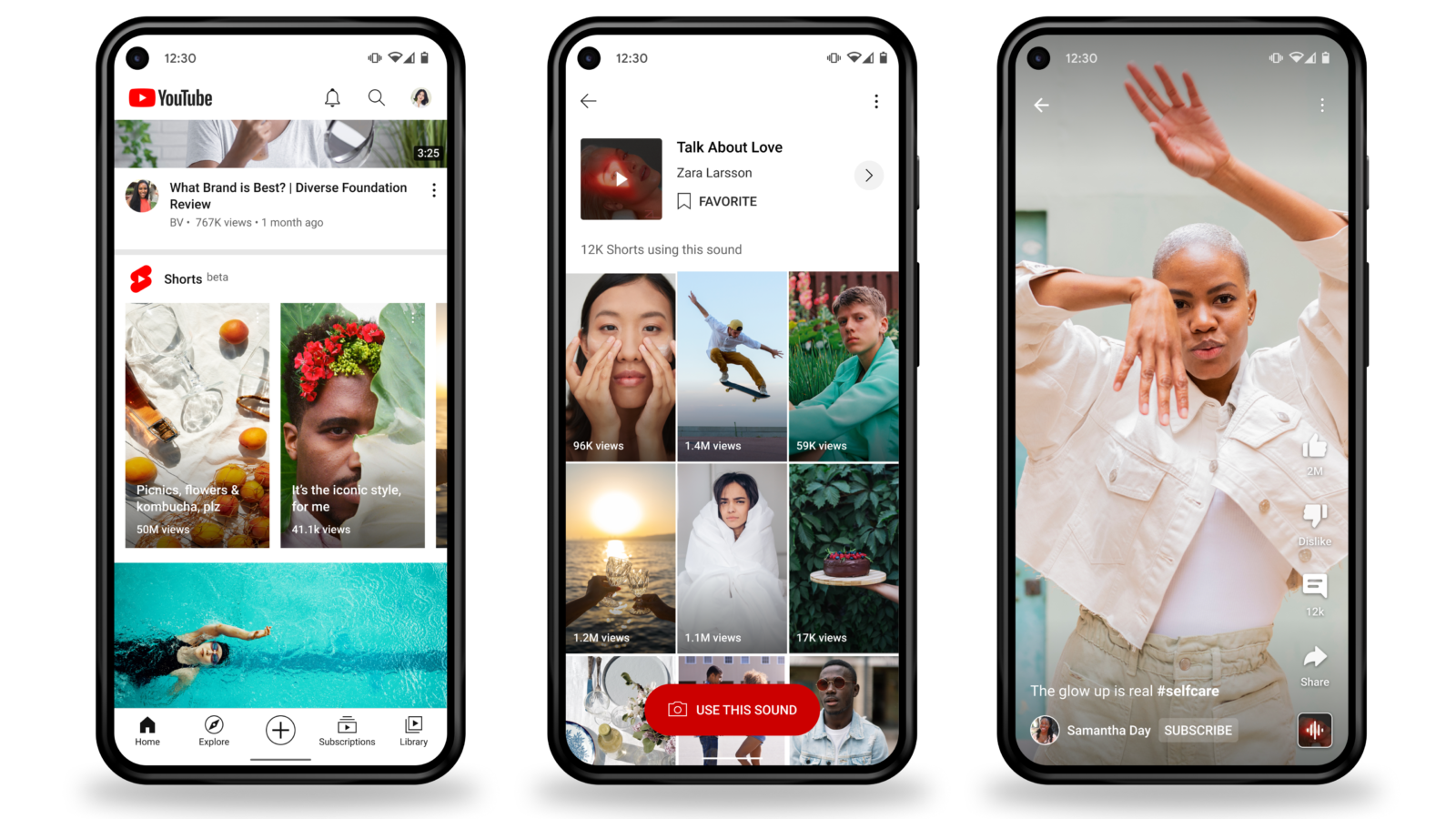
This move places Netflix among other services experimenting with vertical video to recapture attention spans that have grown accustomed to quick-scrolling formats. Tubi introduced its “Scenes” feature in 2024, and Disney Plus announced plans to add vertical content to its mobile app earlier this year. The trend speaks to a broader shift: streaming platforms, once focused on lean-back, living-room viewing, are now competing for thumb-driven, on-the-go consumption where users often decide whether to watch something within seconds.
For Netflix, the redesign arrives at a time when the service continues to balance its traditional catalog of longer-form programming with newer, snackable offerings. Vertical feeds could help surface titles more dynamically, potentially boosting discovery for smaller shows or international content that might otherwise get lost in the traditional row-based interface. Yet the approach also carries risks. Over-reliance on short clips risks reducing complex stories to fleeting hooks, and it echoes the very mechanics that make platforms like TikTok so habit-forming — endless scrolling fueled by algorithmically tuned dopamine hits.
The company has not detailed exactly how prominent the vertical feed will be or whether users will be able to opt out or customize it. Past experiments with interface changes on Netflix have sometimes drawn mixed reactions, particularly when they altered the familiar browsing flow. How this update performs may depend as much on execution as on the growing fatigue some viewers already feel toward algorithm-driven short content.
In the end, Netflix’s vertical video experiment feels less like a bold innovation and more like a pragmatic concession to where audience behavior has already moved. As mobile viewing continues to dominate, services are under pressure to meet users in the format they prefer, even if that means borrowing heavily from competitors that built their empires on vertical scrolling. Whether it genuinely improves discovery or simply accelerates the fragmentation of attention remains to be seen once the feature goes live later this month.