
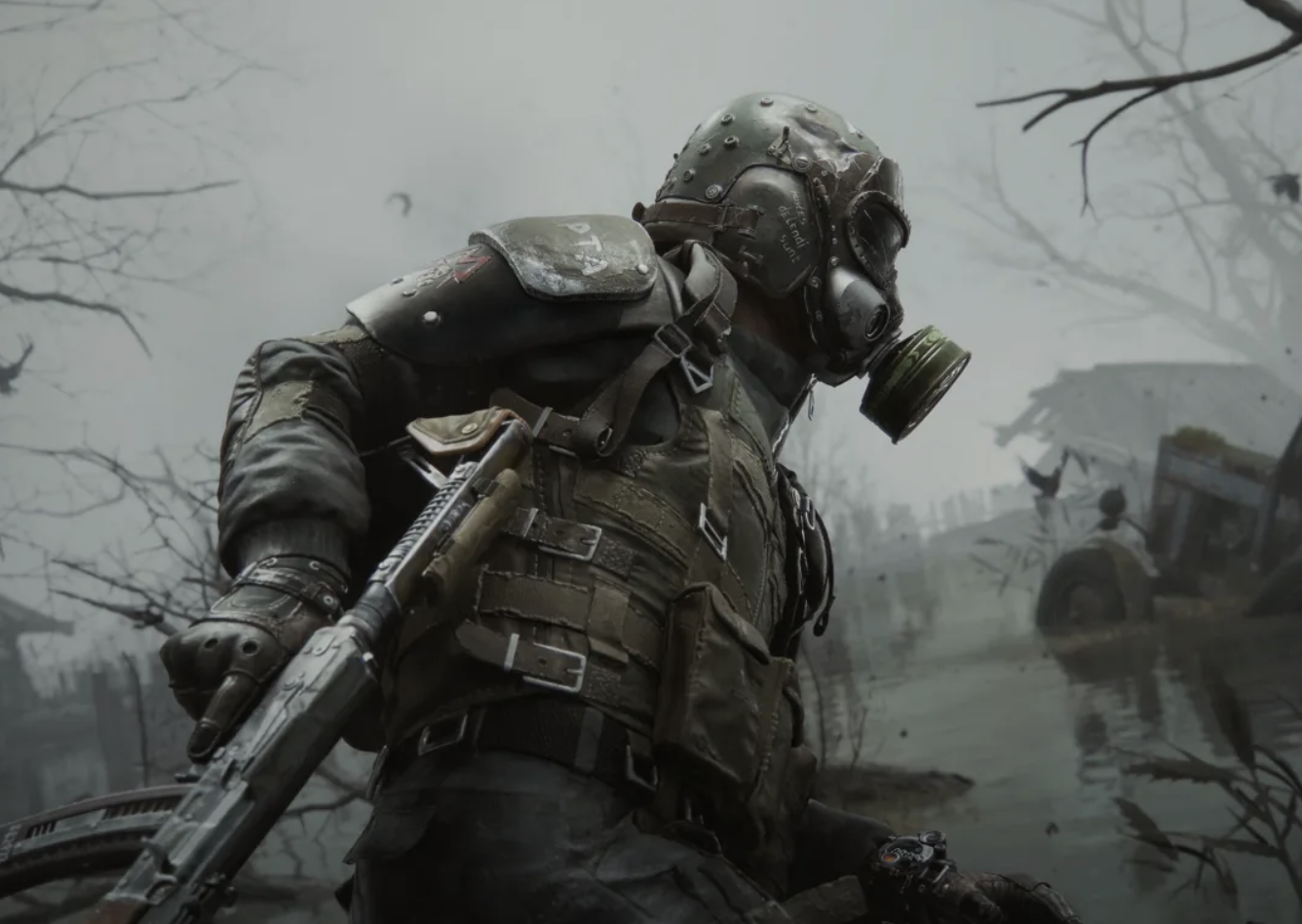
Metro 2039, the next entry in the long-running post-apocalyptic first-person shooter series, has officially been announced by developer 4A Games. Set once again in the irradiated ruins of the Moscow Metro, the game shifts toward a noticeably darker and more somber tone than its predecessors, with a renewed focus on single-player storytelling rather than multiplayer distractions. It is scheduled for release this winter on PC, PlayStation 5, and Xbox Series X|S.
Players will take on the role of a voiced protagonist known only as The Stranger, a reclusive figure haunted by violent nightmares who reluctantly returns to the underground tunnels he once vowed to leave behind. The last pockets of humanity cling to survival in a world where hope has all but vanished, threatened now by a new authoritarian figure referred to as the Fuhrer. The narrative appears to lean heavily into themes of moral choice, consequence, and the steep personal cost of trying to build any kind of future in such a broken environment.
The studio has been candid about how real-world events have influenced the project. Based in Ukraine, 4A Games points to the global pandemic of 2020 and the Russian invasion of Ukraine in 2022 as factors that reshaped their perspective. Co-creative director Pavel Ulmer emphasized that the team is deliberately avoiding any romanticized or theme-park version of the apocalypse. Creative director Andriy “Mls” Shevchenko added that the war has pushed the story deeper into questions of actions, choices, and their inevitable price.
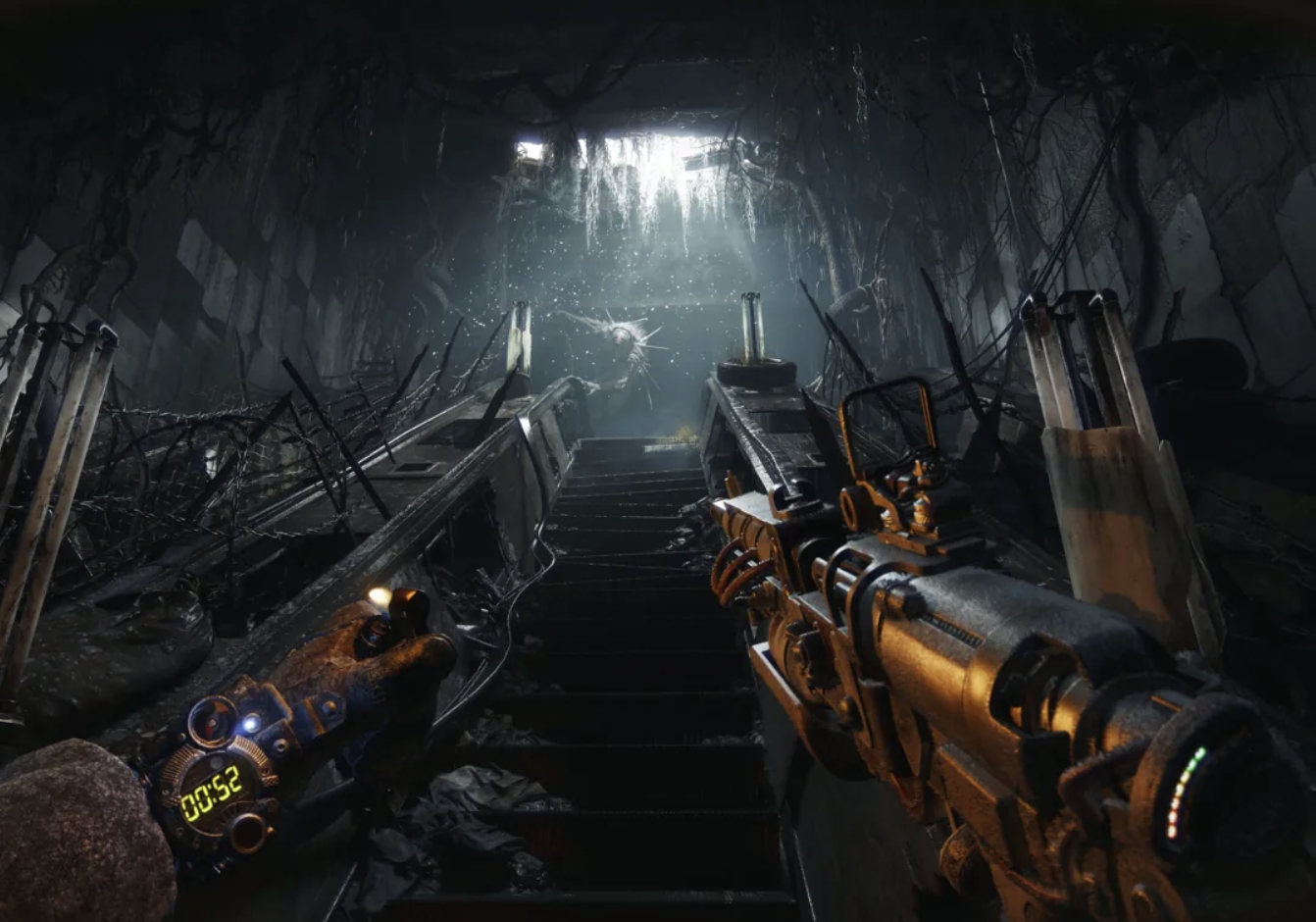
Visually and technically, Metro 2039 continues to rely on the studio’s proprietary 4A Engine. The team is placing particular emphasis on handcrafted environments—detailed, bespoke scenes designed to feel like frozen moments in time—while maintaining a strong focus on performance across the target platforms. This approach echoes the series’ reputation for atmospheric, meticulously built worlds that prioritize immersion over spectacle.
The Metro franchise, rooted in Dmitry Glukhovsky’s novels, has always stood out for its bleak, grounded take on survival horror and human frailty amid nuclear devastation. Earlier games blended tense gunplay with resource scarcity and moral decisions, often forcing players to weigh the lives of companions or the ethics of their actions. Metro 2039 seems intent on doubling down on that foundation, stripping away any lingering optimism in favor of a harsher examination of what people become when pushed to the edge.
Whether this darker direction will resonate depends in part on how well the studio balances its signature tension with meaningful player agency. Past entries earned praise for their uncompromising atmosphere but occasionally drew criticism for pacing or repetitive underground traversal. The introduction of a voiced protagonist could add emotional weight, yet it also risks shifting the traditionally silent or minimally voiced experience that many fans appreciated.
For now, Metro 2039 remains a waiting game. A six-minute cinematic reveal trailer has dropped, offering glimpses of the ruined tunnels, new mutants, and the oppressive mood the team is cultivating. Additional gameplay footage and deeper details are expected in the coming months. In the meantime, the announcement serves as a reminder that even in an industry increasingly drawn to live-service models and open-world excess, there is still space for tightly focused, story-driven shooters that refuse to soften their edges.