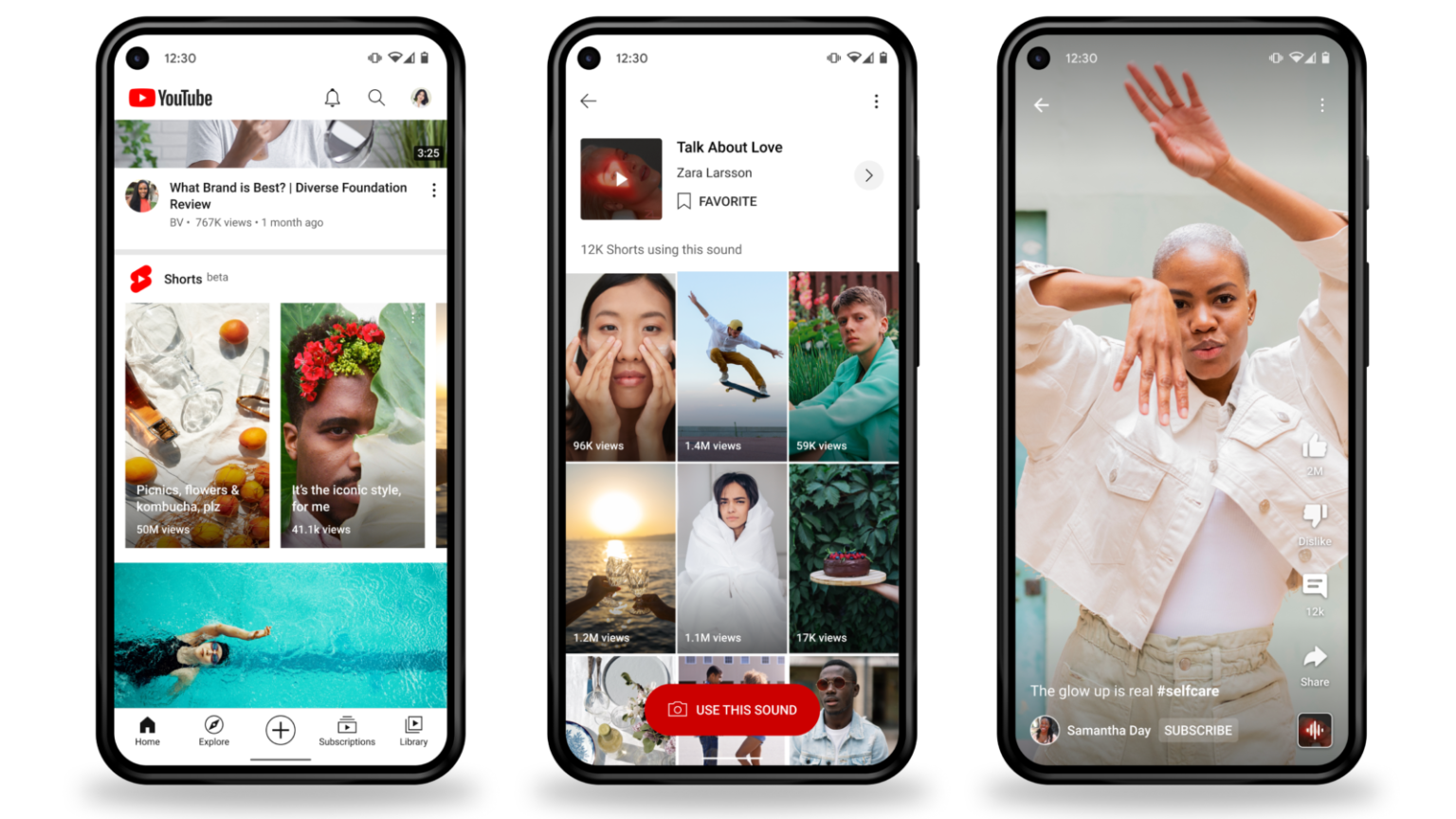
YouTube has introduced a modest but practical adjustment to its mobile apps that gives users more control over short-form video consumption. The platform, long criticized for feeding users an endless stream of vertical clips designed to maximize engagement, is now letting people set their daily Shorts watch time to zero minutes. While far from a complete removal of the feature, the change effectively limits how much Shorts content appears in the main feed on both iPhones and Android devices.
The update builds on earlier efforts. Last October, YouTube added a time-management tool for Shorts with a minimum limit of 15 minutes. In January, it introduced an option to hide Shorts from search results. Neither fully addressed the core complaint: the app opens straight to a grid of Shorts, making casual browsing feel like stepping onto a treadmill that is hard to step off. Setting the limit to zero minutes now removes most of that initial barrage, forcing the feed to prioritize longer videos instead. It is a small but noticeable shift for anyone who has watched hours slip away in bite-sized distractions.
The implementation is not airtight. The dedicated Shorts tab remains in the app’s bottom navigation, and tapping on a Short from a channel or profile still presents an option to dismiss the daily limit for the rest of the day. Once ignored, the floodgates reopen. This design choice reflects YouTube’s broader business reality: Shorts compete directly with TikTok and Instagram Reels, and the format drives significant viewing time and ad revenue. A hard disable button would likely cut into that, so the company has opted for a softer, more nudge-oriented approach.
For parents, the zero-minute option is already available on supervised accounts. For everyone else, the rollout is gradual and may take days or weeks to appear. To activate it once visible, open the YouTube app, tap your profile picture, go to Settings, select Time management, enable the Shorts feed limit, and choose zero minutes. The change applies across the mobile experience but does not affect the desktop site, where browser extensions like UnTrap continue to offer more aggressive customization, including the ability to hide the Shorts shelf entirely from the homepage.
This latest tweak arrives at a moment when many users are reassessing their relationship with algorithm-driven short video. Platforms have spent years refining feeds to exploit psychological triggers—variable rewards, endless scrolling, and dopamine hits—turning what began as a fun experiment into a habit-forming loop. YouTube’s move acknowledges the problem without fully solving it, much like previous platform experiments with screen-time tools that often feel more symbolic than transformative. It gives people a lever to pull, but the underlying architecture still favors quick consumption over deliberate viewing.
In practice, the zero-minute setting may help break the automatic launch-into-Shorts routine for some, yet it requires ongoing discipline. Those seeking a cleaner experience might still turn to third-party tools or simply use YouTube on the web, where the interface is less optimized for vertical snacking. The development underscores a quiet tension in modern video platforms: the same features that keep users glued also create demand for ways to step back. Whether this counts as meaningful progress depends less on the code and more on how individuals choose to use—or ignore—the new limit.