
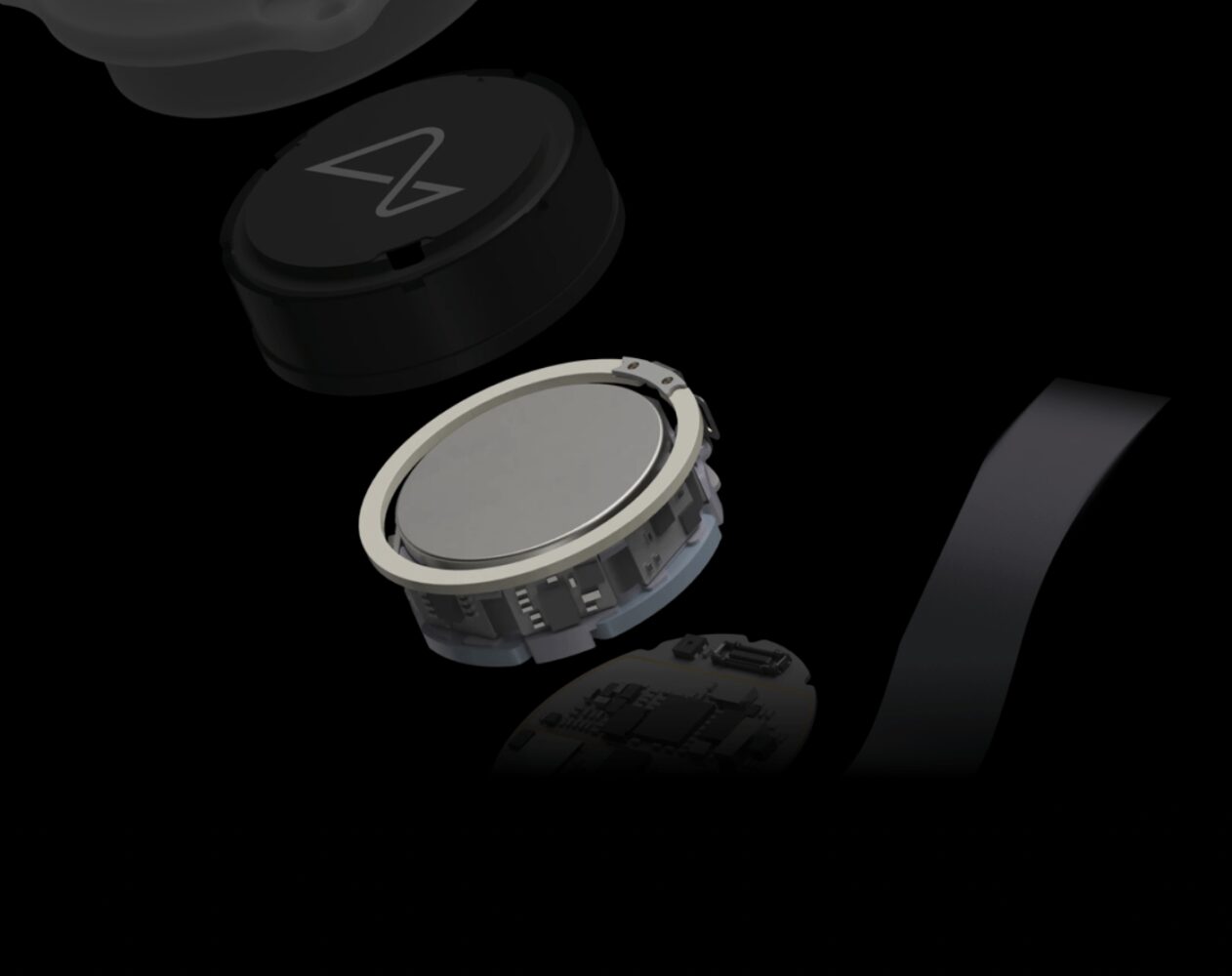
In a groundbreaking development, Elon Musk announced that the first human patient has successfully received a Neuralink brain implant. The procedure, shrouded in secrecy, marks a significant milestone for the controversial brain-computer interface (BCI) company.
While details about the surgery and patient remain unknown, Musk assured the public that the individual is “recovering well.” This initial success, if confirmed through independent validation, would be a crucial step towards Neuralink’s ambitious goal of restoring mobility and even enabling communication through thought.
The implant, nestled in the brain’s movement planning region, aims to interpret neural activity and translate it into external device control – smartphones, computers, you name it. Currently in clinical trials, it targets individuals with quadriplegia due to ALS or spinal cord injuries.
However, the announcement comes amidst a swirl of questions and concerns. Firstly, the company hasn’t provided any specifics about the procedure, the patient’s condition, or the long-term implications of the implant. Additionally, Neuralink is currently under federal investigation for potential animal welfare violations during previous stages of its research.
Despite the concerns, this first human implant undoubtedly puts Neuralink at the forefront of a potentially transformative technology. The ability to control devices with our thoughts, restore lost abilities, and even unlock new cognitive functions holds immense potential, but it also raises ethical and safety considerations that must be addressed with utmost transparency and rigorous research.