
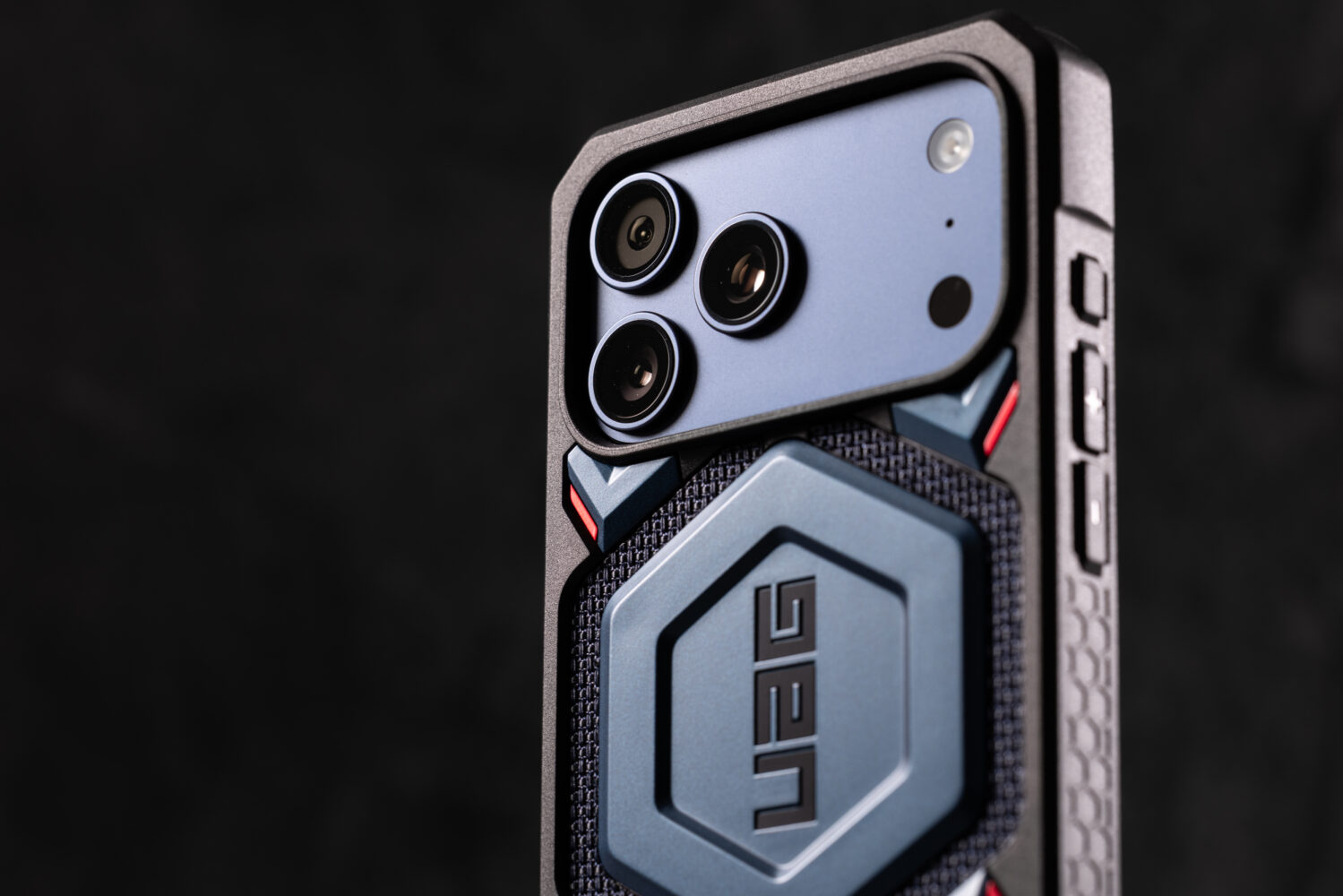
Urban Armor Gear has acquired Nomad Goods, a move that consolidates two California-based players in the competitive mobile accessories sector. The deal, completed in late April 2026 and backed by private equity firm HKW, combines UAG’s rugged device protection lineup with Nomad’s minimalist, travel-oriented products, aiming to strengthen distribution and direct-to-consumer reach in a market increasingly shaped by premium positioning and operational scale.
UAG, based in Irvine, has built its reputation over more than a decade on durable cases and accessories designed for everyday resilience. Nomad, founded in Santa Barbara in 2012, started with a simple portable charging cable and evolved into a brand focused on clean, functional tools for people constantly on the move. The acquisition pairs Nomad’s emphasis on material quality and understated design with UAG’s established manufacturing and global logistics infrastructure.
Executives from both sides described the combination as a logical fit. Brian Hahn, Nomad’s COO, noted shared priorities around product longevity, while Noah Dentzel, Nomad’s CEO, highlighted how the partnership could extend the brand’s relevance for modern users. Scott W. Hardy, UAG’s CEO, pointed to Nomad’s strong direct-to-consumer foundation as a complementary asset. Financial details were not disclosed, which is typical for such middle-market transactions.
This deal reflects broader trends in the consumer electronics accessories space. As smartphones and smartwatches have become everyday essentials, the market has fragmented between budget options, ultra-premium niche brands, and mid-tier players fighting for shelf space. Consolidation has accelerated in recent years, with larger entities absorbing smaller ones to gain efficiencies in supply chains, marketing, and retail channels. Private equity involvement, as seen here with HKW’s strategy of platform-building through add-on acquisitions, is common in this segment. It often promises operational improvements but can also raise questions about whether creative independence survives integration.
For consumers, the immediate impact may be subtle—potentially wider availability of Nomad’s products through UAG’s networks, and perhaps more resources for product development. Yet history shows that such mergers do not always preserve the acquired brand’s original edge. Nomad’s appeal has long rested on its independent, California-rooted ethos; blending that with UAG’s more industrial scale will test whether the combined entity can maintain that distinct voice amid competitive pressure from established names and direct challengers like Peak Design or even Apple’s own accessory ecosystem.
The transaction aligns with HKW’s pattern of investing in manufacturing and distribution businesses, following other recent deals in industrial equipment and electrical solutions. For the mobile accessories category specifically, it underscores how even established regional brands are seeking larger platforms to navigate rising material costs, shifting retail dynamics, and the growing importance of e-commerce.
Whether this leads to genuinely better products or simply more streamlined operations remains to be seen. In an industry where differentiation often hinges on subtle details of design and durability rather than revolutionary breakthroughs, the real test will be in execution over the coming years.