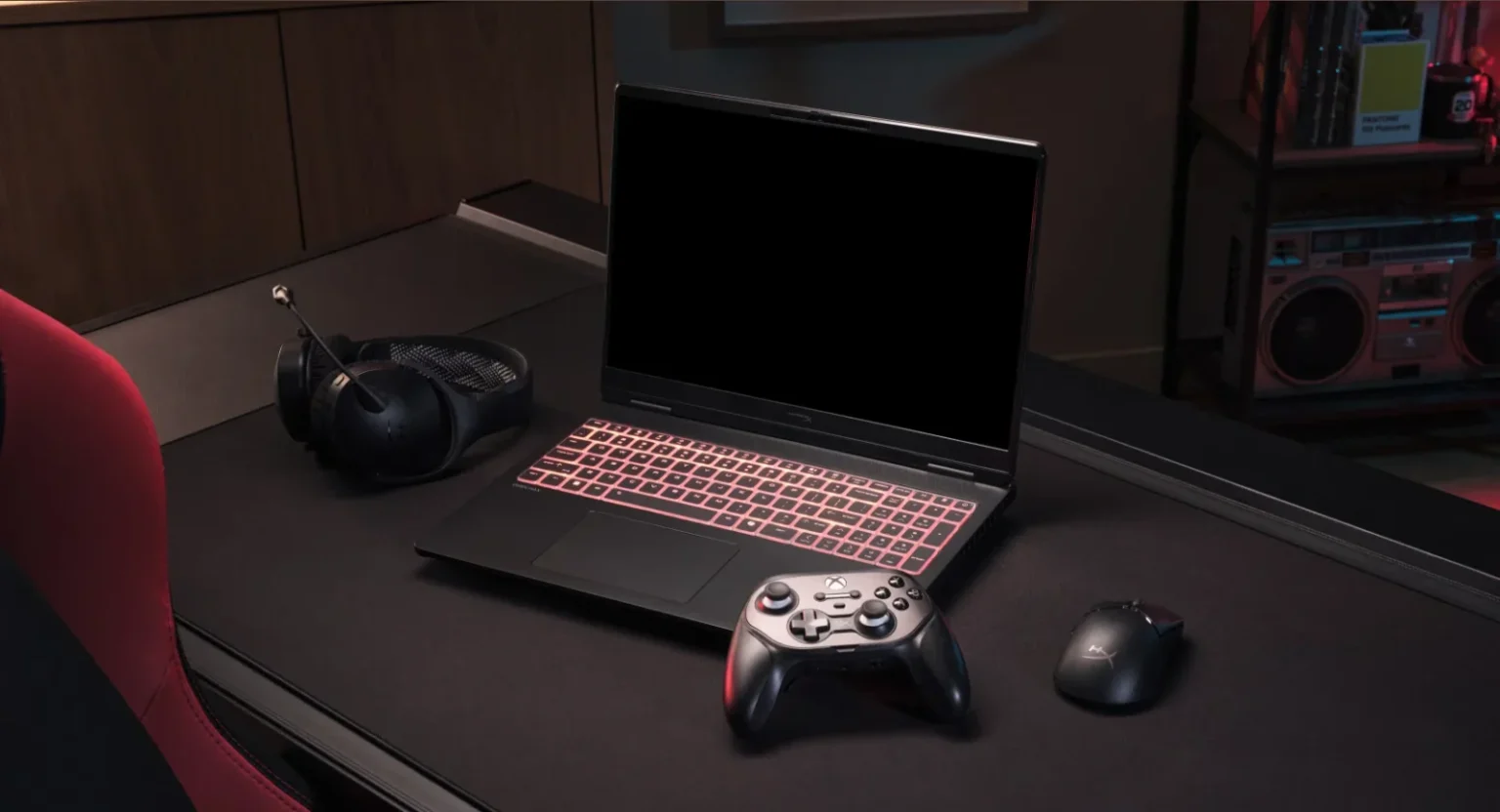
HP has expanded its HyperX gaming lineup with a new customizable controller, refreshed headsets, and a full release of its companion software, targeting players who want solid performance without premium pricing. The announcements, detailed on April 30, 2026, reflect HP’s ongoing effort to strengthen the brand in a crowded accessories market where durability, comfort, and customization increasingly define choices.
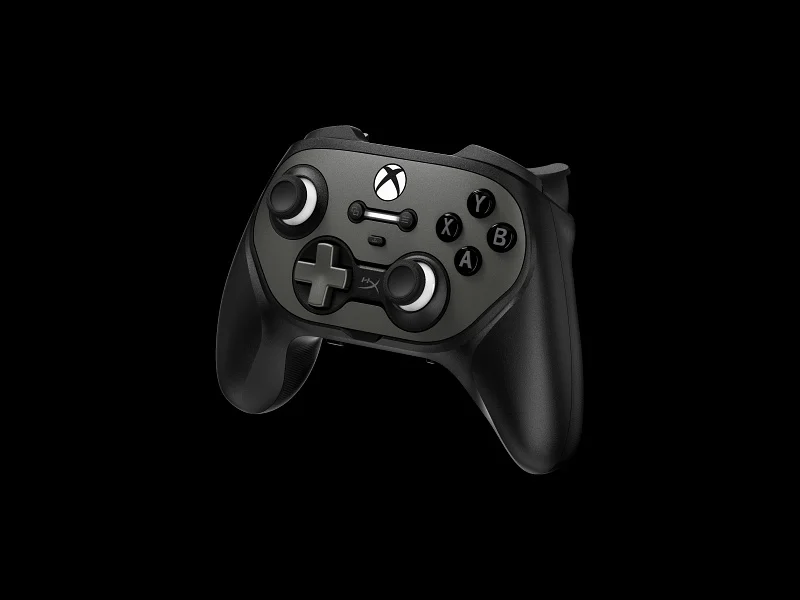
The standout item is the HyperX Clutch Talon controller. It offers tool-free swapping of thumbsticks, D-pads, triggers, and back paddles, with support for 3D-printable parts to extend personalization. Hall Effect sensors on the sticks and triggers aim to minimize stick drift, a persistent issue in many gamepads, while three-stage trigger locks and reprogrammable paddles support quicker inputs. The controller works across PC, Android, and Xbox, includes dual wireless connectivity, and delivers up to 30 hours of battery life. It is scheduled to arrive this summer on HyperX.com at $159.99. In a segment filled with high-end options from brands like Xbox Elite and Scuf, the Talon positions itself as a more accessible alternative that still borrows proven anti-drift technology now common in mid-range hardware.
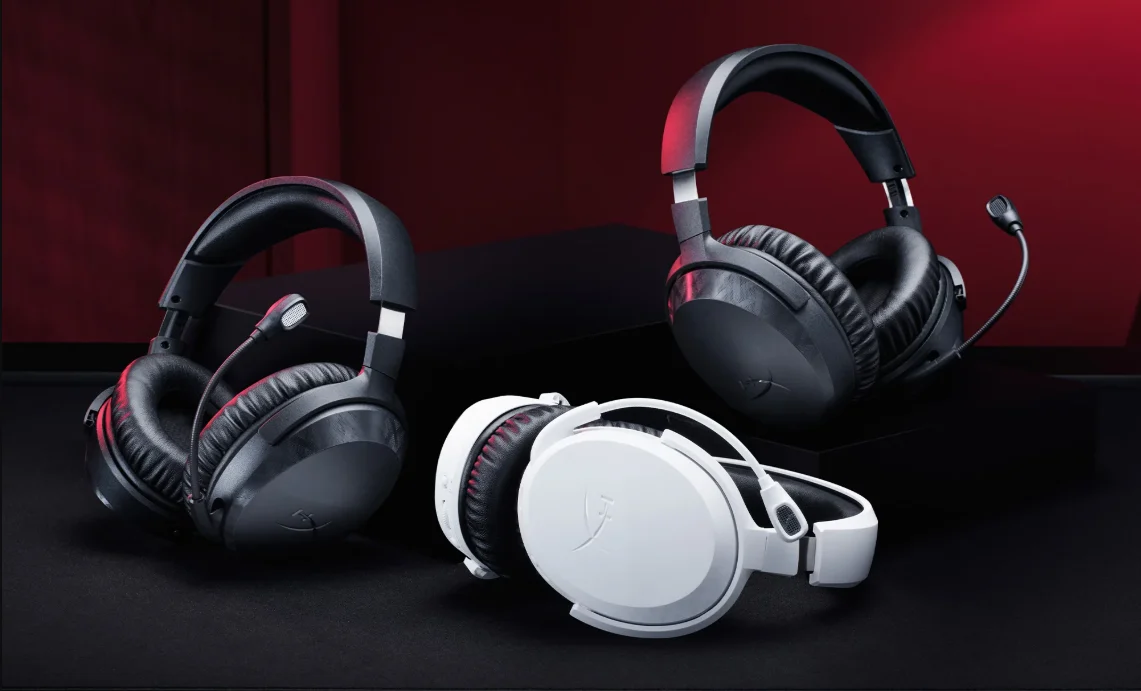
Alongside it, HP refreshed the Cloud Stinger series with the Cloud Stinger 3 and CloudX Stinger 3 headsets. Both wired and wireless variants are available, the latter supporting low-latency 2.4GHz and Bluetooth connections. Shared features include stainless steel headband sliders, a lightweight frame, memory foam ear cushions, and a noise-cancelling microphone with convenient mute controls. The wireless model stands out with a claimed 80-hour battery life, an improvement that addresses one of the common pain points for gaming headsets in this price range. Starting at $49.99 on HyperX.com, the lineup emphasizes everyday comfort and basic durability rather than luxury materials or advanced drivers, making it suitable for longer sessions without straining budgets.
HP also graduated its HyperX NGENUITY software from beta. The platform now provides centralized control over audio tuning, microphone settings, device performance, and personalization. Its updated audio engine, powered by HEAR360, includes parametric and graphic equalizers, game-chat balance, spatial audio options, real-time microphone processing, AI noise reduction, and voice monitoring. On the performance side, users can adjust actuation points, Rapid Trigger sensitivity, SOCD settings, and even mouse sensor tuning. A customizable dashboard, searchable remapping, and macro tools round out the feature set. While comprehensive, the software’s value will depend on how reliably it integrates across the growing HyperX ecosystem and whether it avoids the bloat and compatibility issues that have plagued similar gaming utilities in the past.
These releases come at a time when the gaming peripherals market continues to consolidate around comfort, longevity, and software depth. Hall Effect technology has become table stakes for reducing maintenance headaches, while extended battery claims help differentiate wireless options. Yet competition remains fierce from established players and direct-to-consumer specialists offering deeper customization or specialized features. HP’s approach with HyperX appears pragmatic: deliver reliable, mid-tier hardware that improves on basics rather than chasing flagship innovation.
For gamers seeking straightforward upgrades without overspending, the Clutch Talon and Cloud Stinger 3 family warrant consideration, though real-world testing on build consistency and software stability will ultimately determine their staying power.