

By using this site, you agree to our Privacy Policy and Terms of Service.
Accept
Absolute Geeks UAEAbsolute Geeks UAE
  • STORIES
    • TECH
    • AUTOMOTIVE
    • GUIDES
    • OPINIONS
  • REVIEWS
    • READERS’ CHOICE
    • ALL REVIEWS
    • ━
    • SMARTPHONES
    • CARS
    • HEADPHONES
    • ACCESSORIES
    • LAPTOPS
    • TABLETS
    • WEARABLES
    • SPEAKERS
    • APPS
  • WATCHLIST
    • TV & MOVIES REVIEWS
    • SPOTLIGHT
  • GAMING
    • GAMING NEWS
    • GAME REVIEWS
  • +
    • OUR STORY
    • GET IN TOUCH
Reading: Don’t worry, you can still be annoying after you’re dead (with AI!)
Share
Notification Show More
Absolute Geeks UAEAbsolute Geeks UAE
  • STORIES
    • TECH
    • AUTOMOTIVE
    • GUIDES
    • OPINIONS
  • REVIEWS
    • READERS’ CHOICE
    • ALL REVIEWS
    • ━
    • SMARTPHONES
    • CARS
    • HEADPHONES
    • ACCESSORIES
    • LAPTOPS
    • TABLETS
    • WEARABLES
    • SPEAKERS
    • APPS
  • WATCHLIST
    • TV & MOVIES REVIEWS
    • SPOTLIGHT
  • GAMING
    • GAMING NEWS
    • GAME REVIEWS
  • +
    • OUR STORY
    • GET IN TOUCH
Follow US

Don’t worry, you can still be annoying after you’re dead (with AI!)

GEEK DESK
GEEK DESK
Dec 19

A new company, Life’s Echo, is pushing the boundaries of artificial intelligence and venturing into the realm of digital afterlife. Their service? Creating interactive simulations of individuals after they’ve passed away, allowing loved ones to engage in conversations with an AI replica that mirrors the deceased’s personality, voice, and memories.

The process begins with a series of in-depth interviews conducted by an AI interviewer named Sarah. Over five 45-minute sessions, Sarah delves into the individual’s life story, posing over 1,000 questions about their childhood, relationships, career, and personal experiences. These conversations are designed to capture the essence of the individual, their unique perspectives, and the stories that shaped their lives.

This extensive data is then used to create a personalized AI model – an “AI Echo” – that can respond to questions in a way that mimics the deceased’s speech patterns and personality. Family and friends can interact with this digital representation, asking questions and receiving answers drawn from the recorded interviews. Imagine a grandchild, years after a grandparent’s passing, asking about their life during World War II, and receiving a detailed, personalized response in their loved one’s own voice.

Life’s Echo presents this service as a way to preserve a person’s legacy, offering future generations a unique window into their ancestors’ lives. It’s also positioned as a source of comfort for those grieving, allowing them to maintain a connection with the deceased.

However, this technology raises ethical questions about the nature of death, grief, and the potential for AI to blur the lines between reality and simulation. Could interacting with a digital replica hinder the grieving process or create unrealistic expectations about interacting with the deceased? And what are the long-term implications of creating digital versions of ourselves that may persist long after we are gone?

Share
What do you think?
Happy0
Sad0
Love1
Surprise0
Cry0
Angry0
Dead0

WHAT'S HOT ❰

HONOR opens sales for 600 Series with emphasis on AI camera and large battery
Olivia Rodrigo to front FC Barcelona jersey for El Clásico in latest Spotify partnership
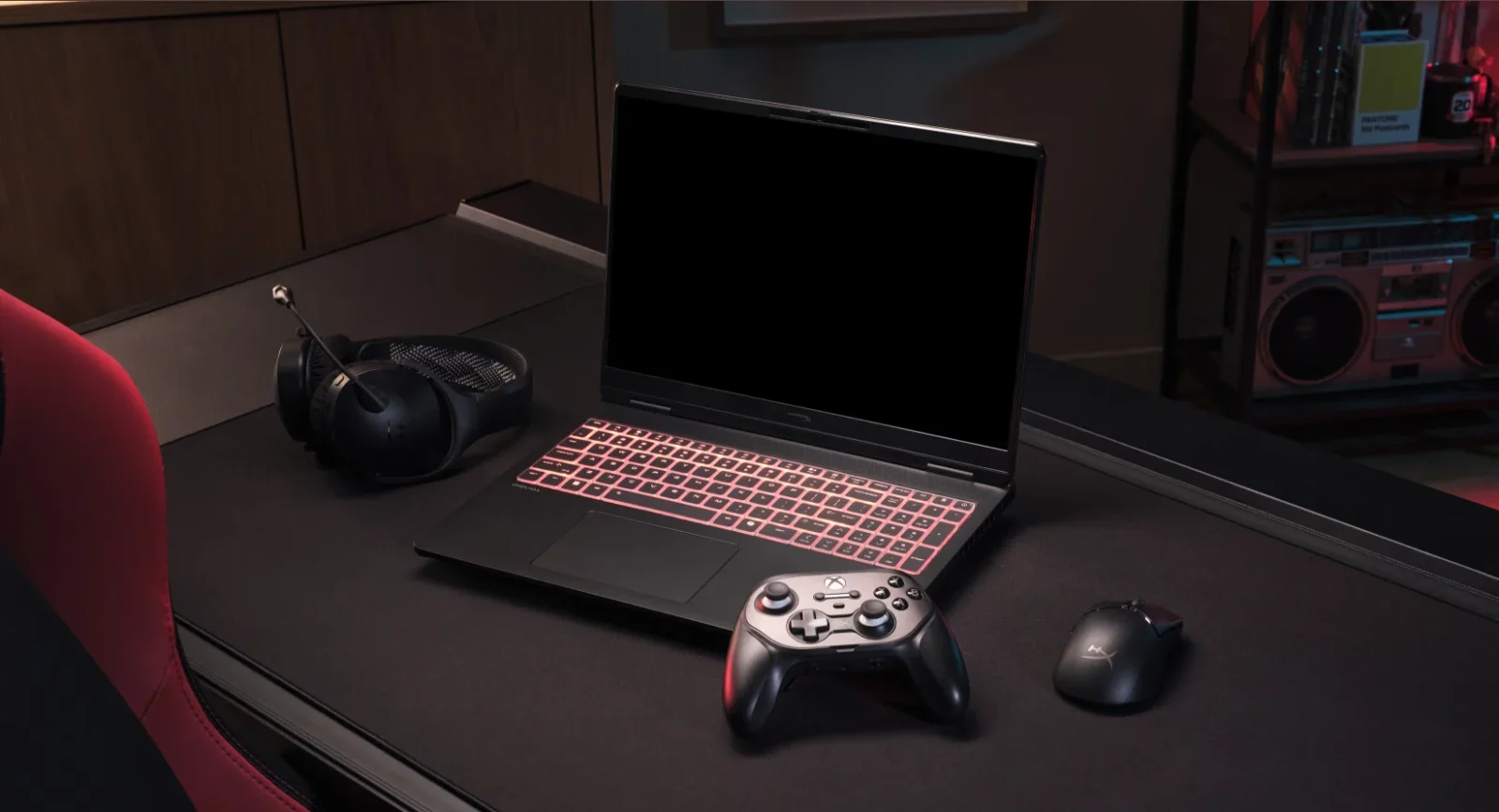
HP expands HyperX lineup with Clutch Talon controller and Cloud Stinger 3 headsets
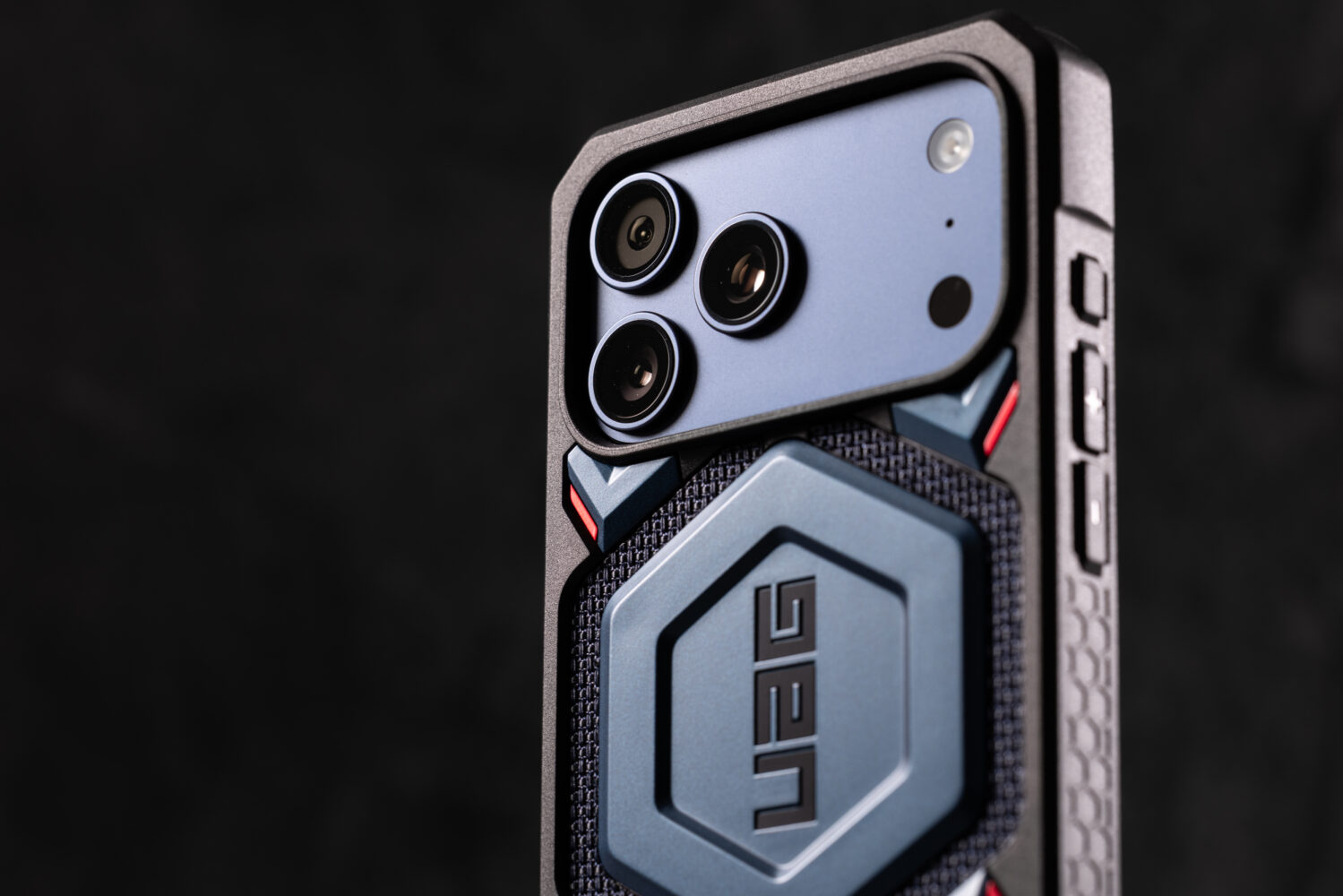
Urban Armor Gear (UAG) acquires Nomad Goods in latest mobile accessories consolidation
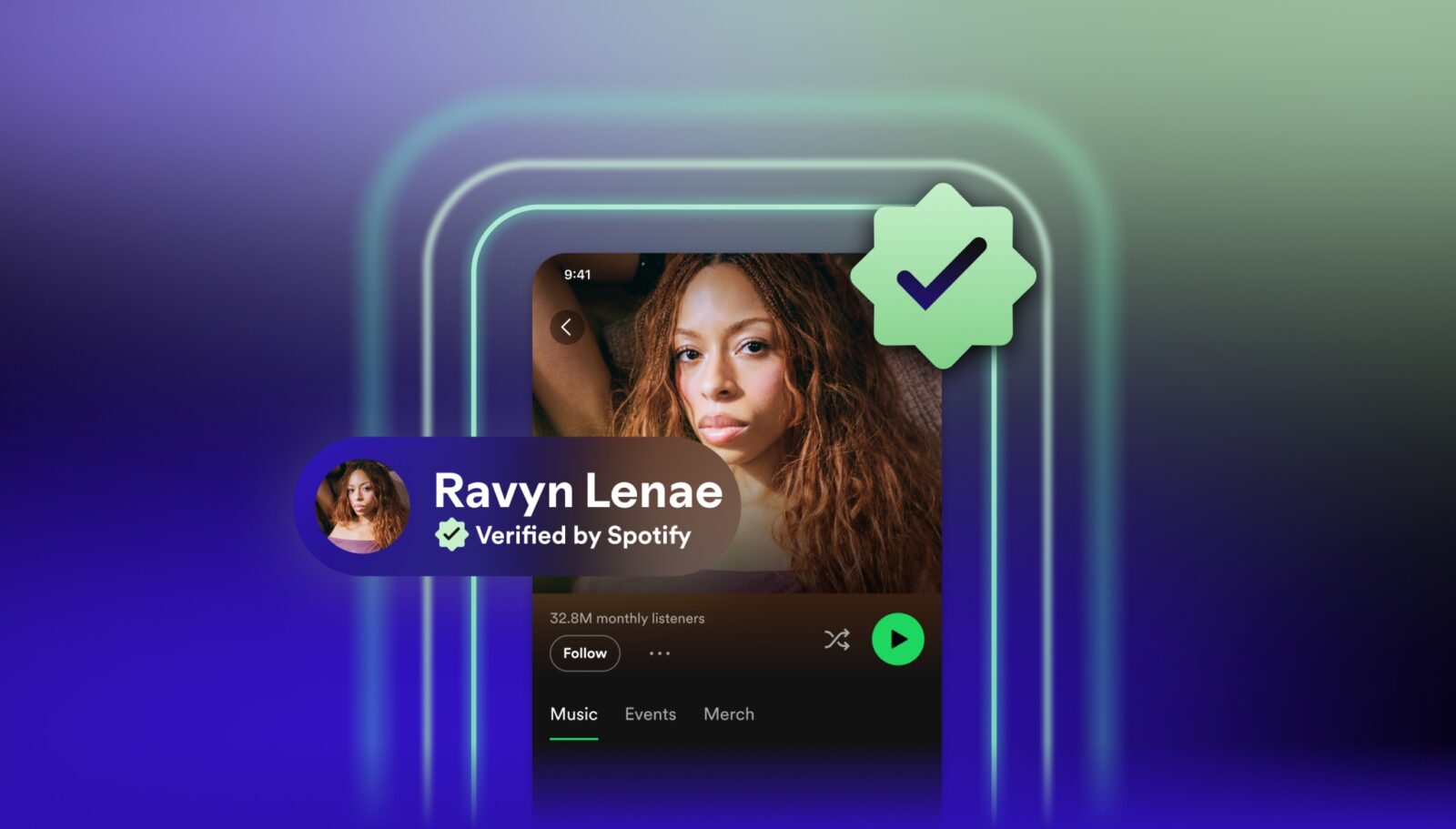
Spotify rolls out verified artist badges to counter AI-generated music flood
Absolute Geeks UAEAbsolute Geeks UAE
Follow US
AbsoluteGeeks.com was assembled during a caffeine incident.
© Absolute Geeks Media FZE LLC 2014–2026.
Proudly made in Dubai, UAE ❤️
Upgrade Your Brain Firmware
Receive updates, patches, and jokes you’ll pretend you understood.
No spam, just RAM for your brain.
Welcome Back!

Sign in to your account

Username or Email Address
Password

Lost your password?