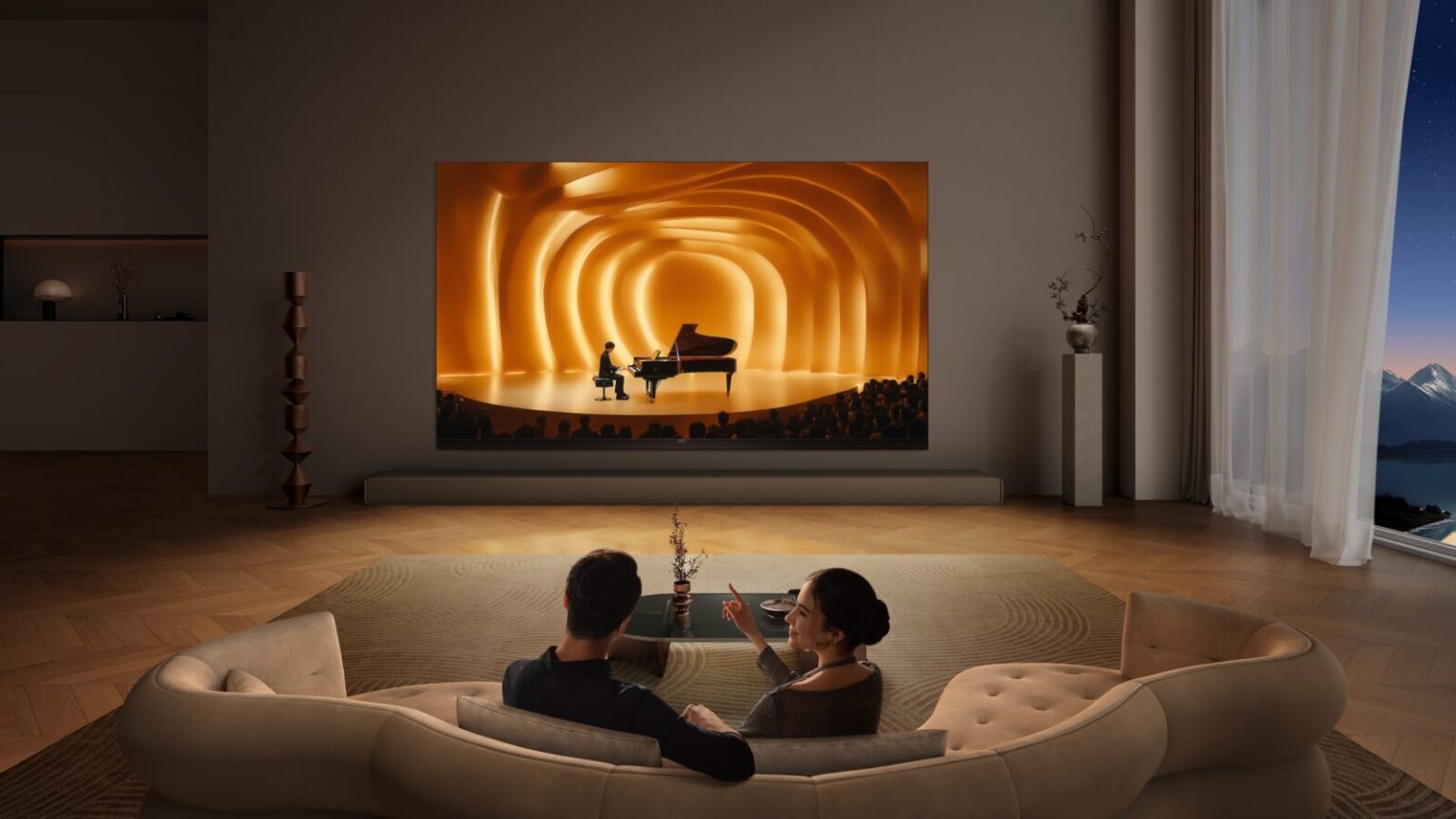

Better brightness. Better colour. No burn-in. No compromises. Here’s everything you need to know about TCL’s new display technology and why it actually matters for your living room.
Let’s be honest. TV marketing in 2026 is a mess. Every brand has a four-letter acronym that supposedly means their panel is better than everyone else’s. Most of the time, the difference between one model and the next is a firmware update and a slightly shinier bezel. So, when something actually changes at the hardware level, at the display technology level, it’s worth slowing down and paying attention.
TCL’s new SQD-Mini LED TV is one of those moments. And before you scroll past thinking you’ve heard this story before, hear us out, because the engineering here is genuinely different, and the difference is visible in the kind of content you’re actually watching at home.
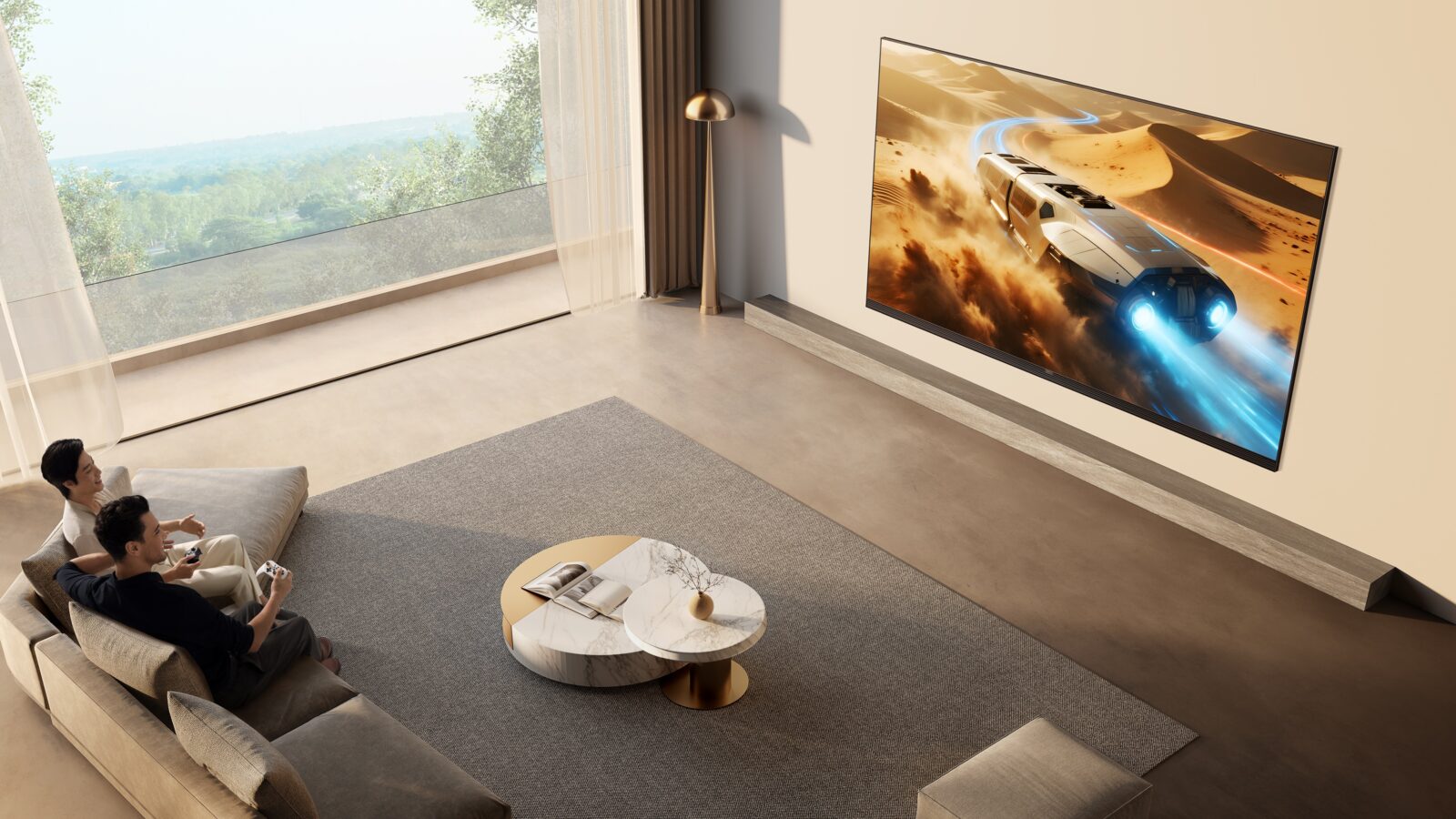
First: a quick refresher on Mini LED
Mini LED TVs work by packing thousands of tiny LED lights behind the screen instead of a handful of large ones. More LEDs means more zones of independent brightness control, so the TV can make one part of the screen very bright while keeping another part genuinely dark. That’s the secret to the high contrast and HDR performance that makes modern Mini LED TVs look so much better than the LCD panels that came before them.
TCL introduced the world’s first Mini LED TV in 2019, before it was cool, before every brand had a marketing name for it. Now, in 2026, they’ve done it again with SQD-Mini LED TV. The ‘SQD’ stands for Super Quantum Dot, and it addresses the one problem that standard Mini LED has always had.
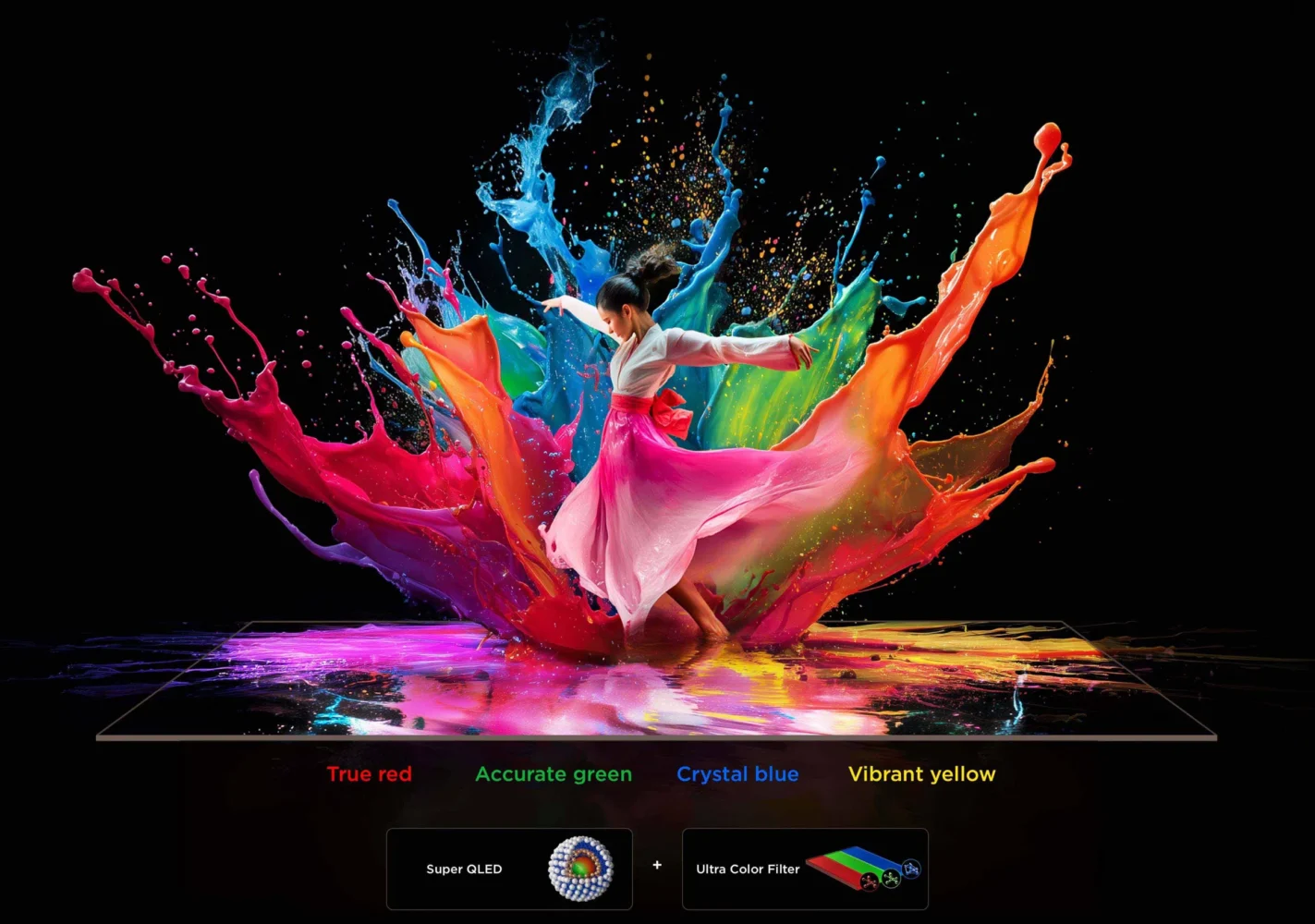
The problem it’s solving
Quantum dots sit between the backlight and the screen and convert the LED’s light into vivid, accurate colour. At normal brightness, they do this very well. But when you push the backlight hard, into the HDR territory where the really impressive moments happen, the quantum dot material starts to become less stable. Colour accuracy drifts. Reds shift. What should be the most impressive moment on screen becomes subtly, frustratingly off.
SQD-Mini LED TV fixes this by using a new Super Quantum Dot material that maintains its spectral stability even at extreme brightness. The colour you see at 10,000 nits, and yes, the X11L flagship hits 10,000 nits, is just as accurate as the colour you see at 500. That’s a meaningful engineering achievement, and it’s the kind of thing you notice immediately when you’re watching a sunset scene in a movie or a high-contrast sports broadcast.
The specs that actually matter
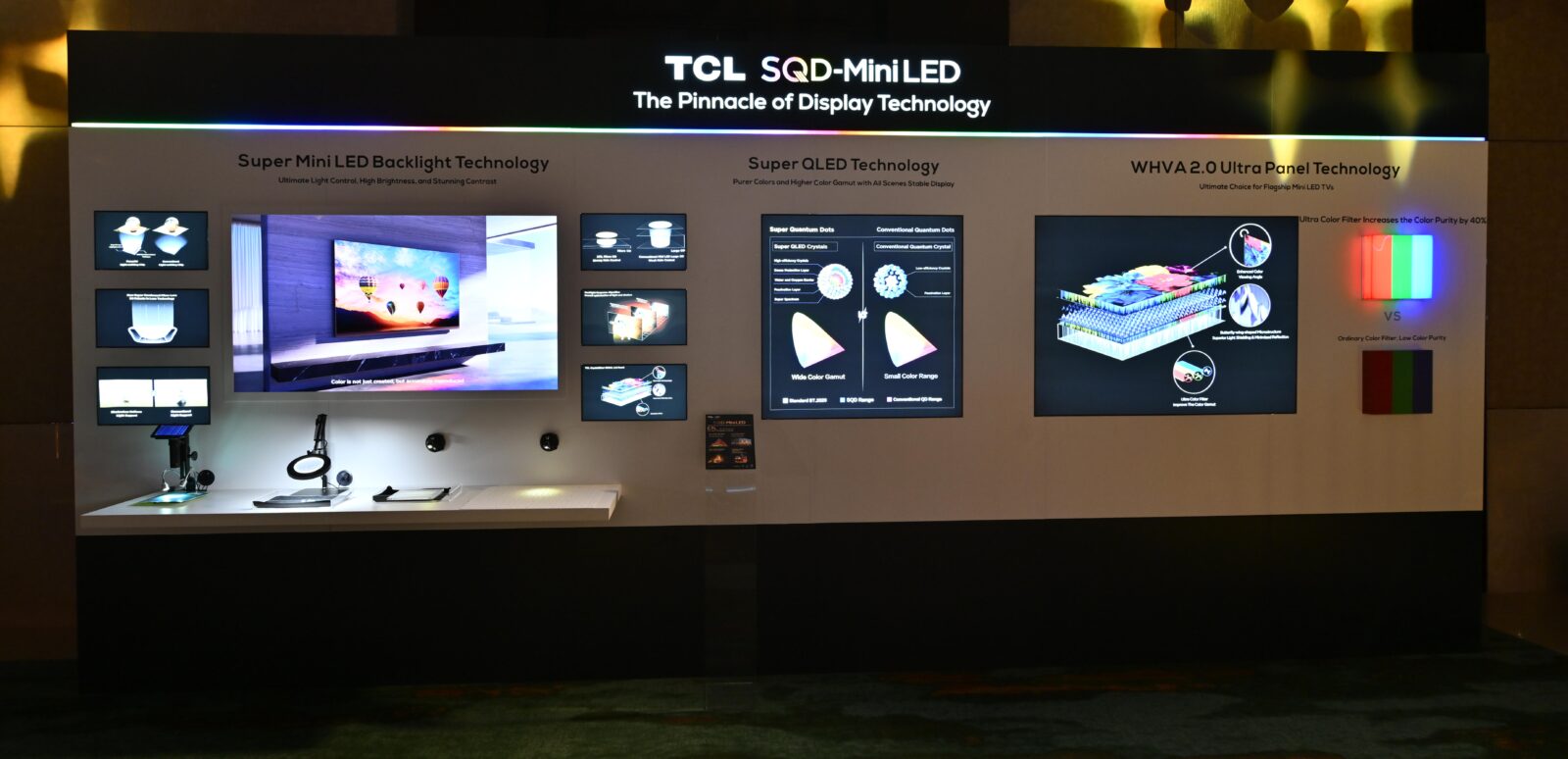
The numbers on an SQD-Mini LED TV spec sheet are not marketing fluff. Here’s why each one matters:
→ 10,000 nits peak brightness (X11L flagship): For context, OLED displays peak at around 2,000 nits before the organic emitters start struggling. In a bright UAE living room, 10,000 nits is the difference between a display that competes with the sunlight and one that gets washed out by it.
→ 20,000+ local dimming zones: The more zones, the finer the control over which parts of the screen are bright or dark. At 20,000+ zones, you get contrast control that approaches OLED quality without any of OLED’s trade-offs.
→ All-Domain Halo Control: This is the algorithm that deals with the one thing Mini LED gets criticised for, the glow around bright objects on dark backgrounds. TCL’s implementation uses a Super Condensed Micro Lens structure to focus the LED light more precisely, and the algorithm manages the boundaries between zones. In practice, it means the stars in space look like stars, not like slightly glowing smudges.
→ 60,000-hour lifespan: That’s double the approximately 30,000-hour rating of OLED panels. No burn-in, no permanent image retention, no worrying about leaving the game paused.
→ 144Hz native panel with 288Hz Game Accelerator: Every model in the lineup, including the C7L. This is serious gaming territory across the whole range.
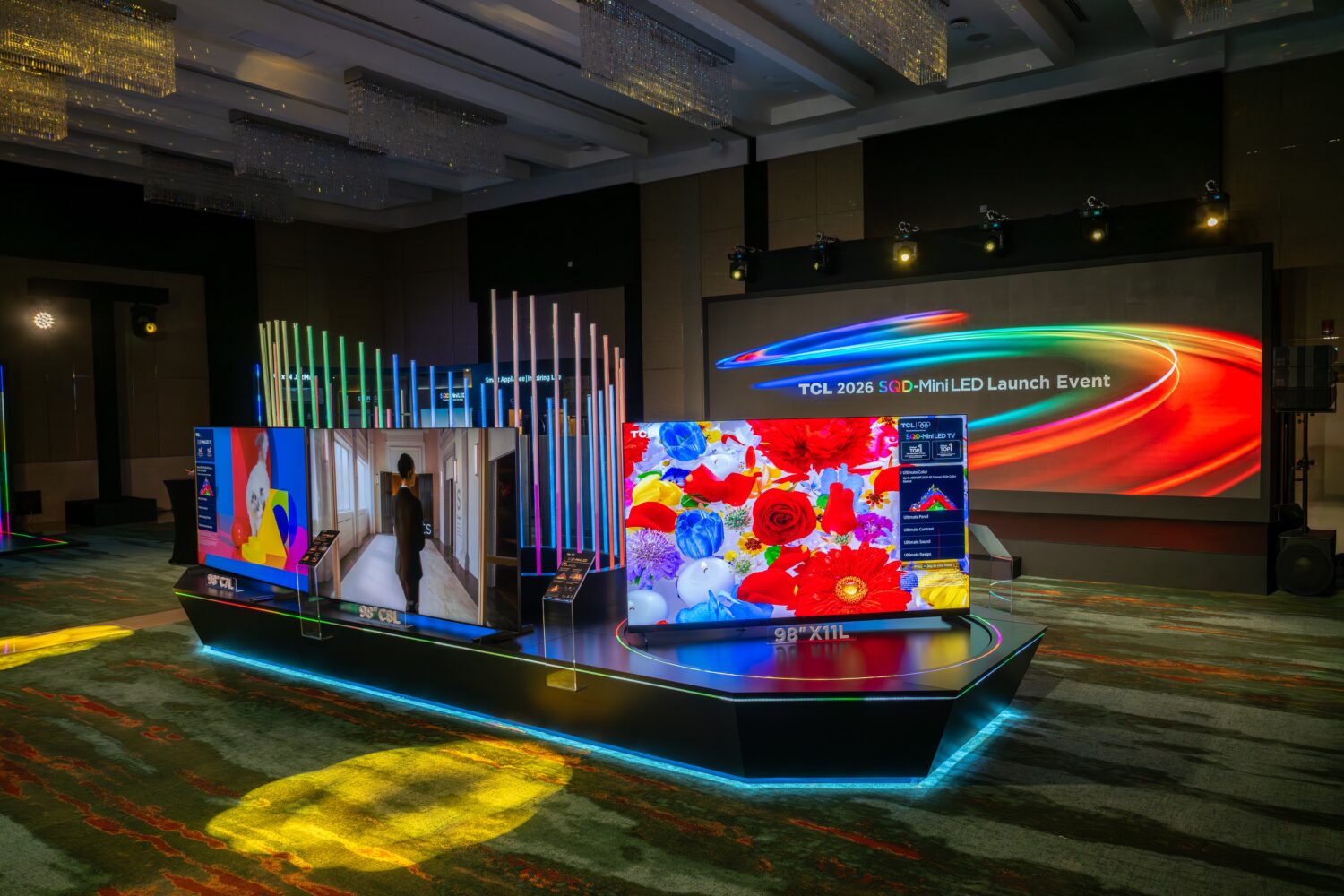
The three models, which one is for you?
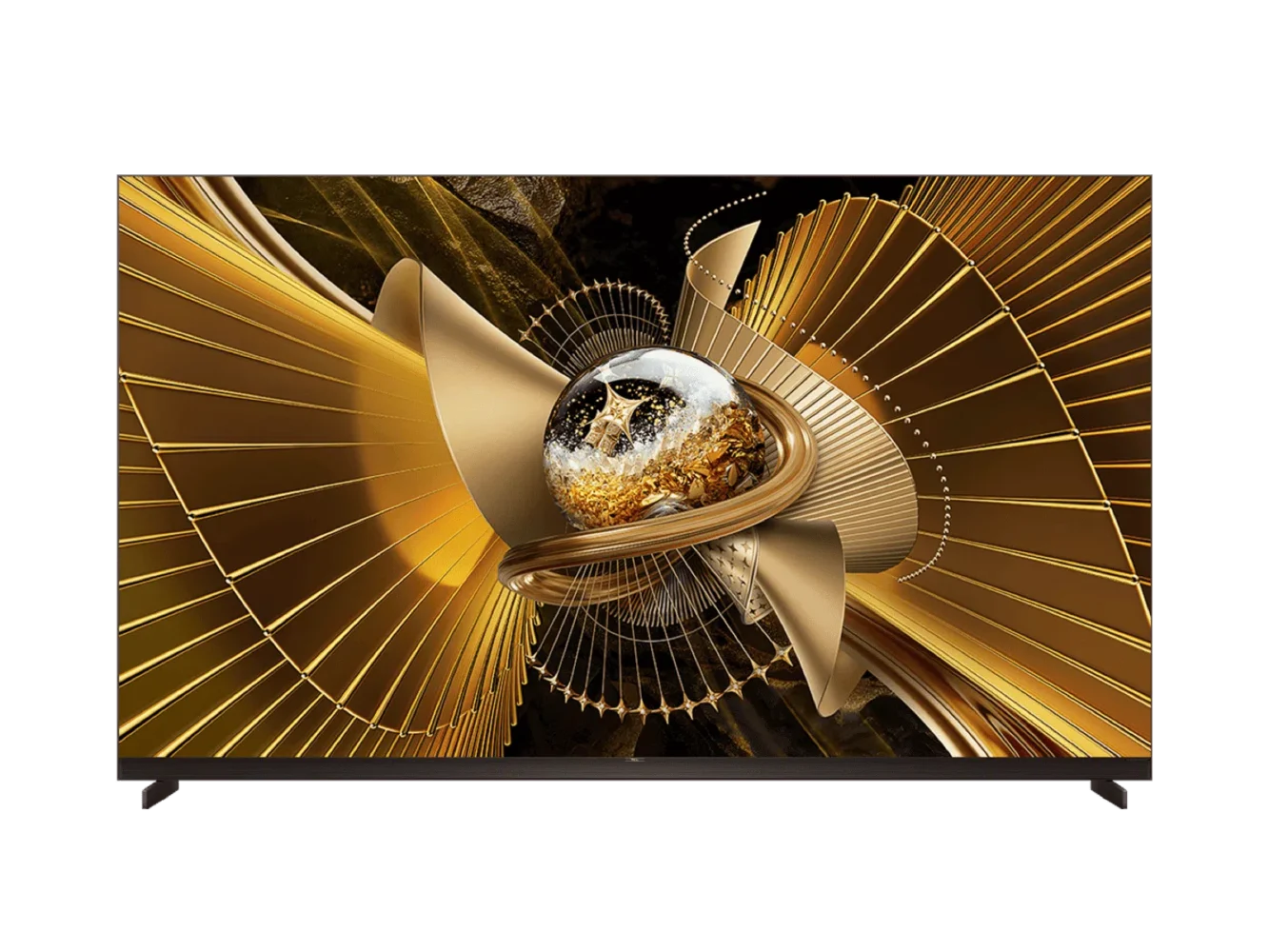
C7L SQD-Mini LED TV (55 to 98 inches): The entry point into the SQD-Mini LED TV range. You get the full SQD-Mini LED TV technology, the Super Quantum Dot colour stability, the advanced local dimming, the halo control system, paired with a 144Hz native panel and 288Hz Game Accelerator. This is the one if you want to step up to next-generation display technology without paying flagship money. The 98-inch option at this tier is particularly interesting for anyone who wants a massive screen without the X11L price tag.
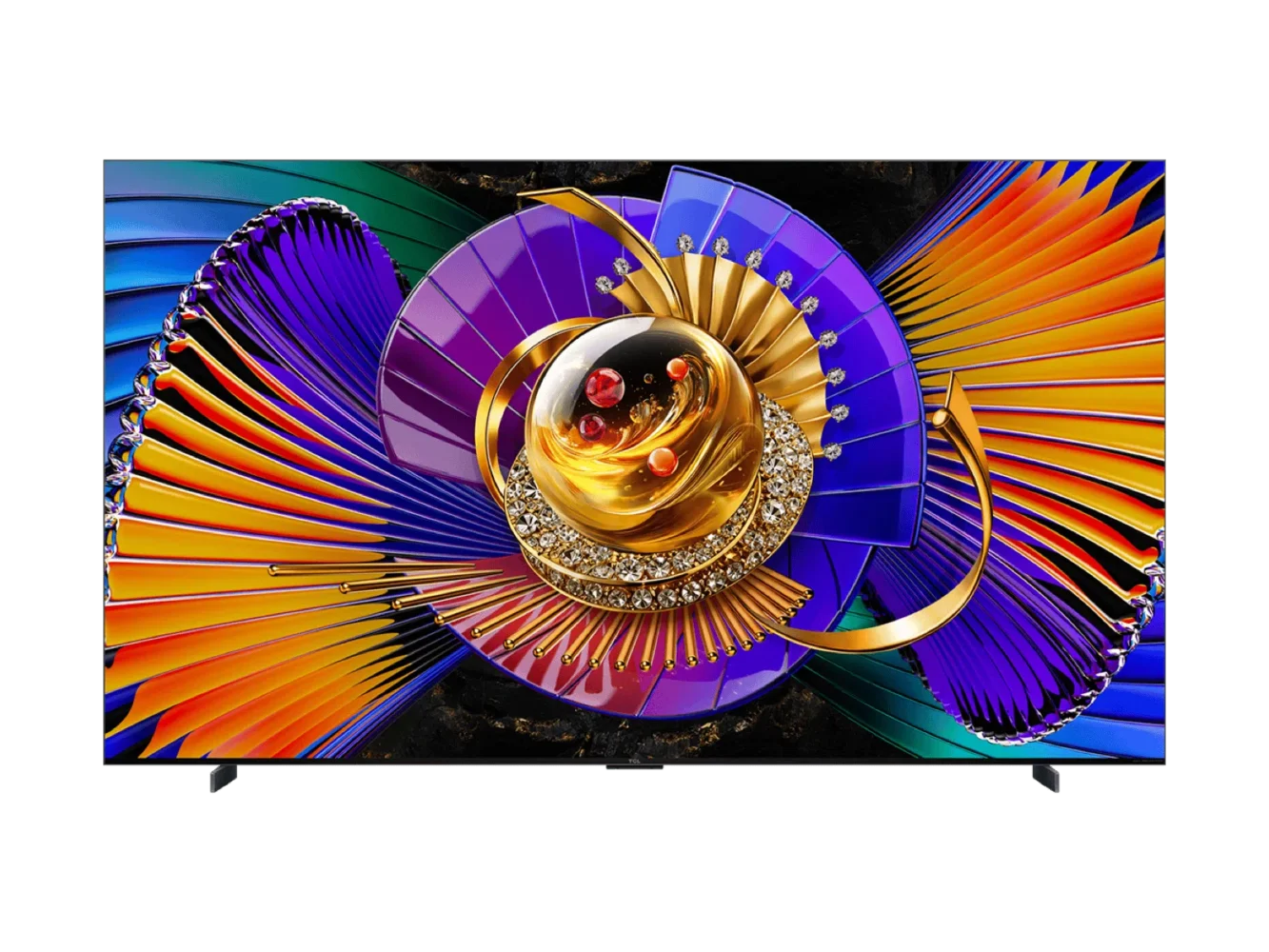
C8L SQD-Mini LED TV (65 to 98 inches): This is where the spec sheet gets more interesting. The C8L adds TCL’s WHVA 2.0 Ultra Panel, which improves how consistent the picture looks from different viewing angles, along with enhanced dimming architecture, a Virtually ZeroBorder design that makes the bezel nearly disappear, and Audio by Bang & Olufsen. If this is going in your main living room, this is probably the sweet spot for most people. It looks and sounds like a flagship even if it doesn’t carry a flagship price.
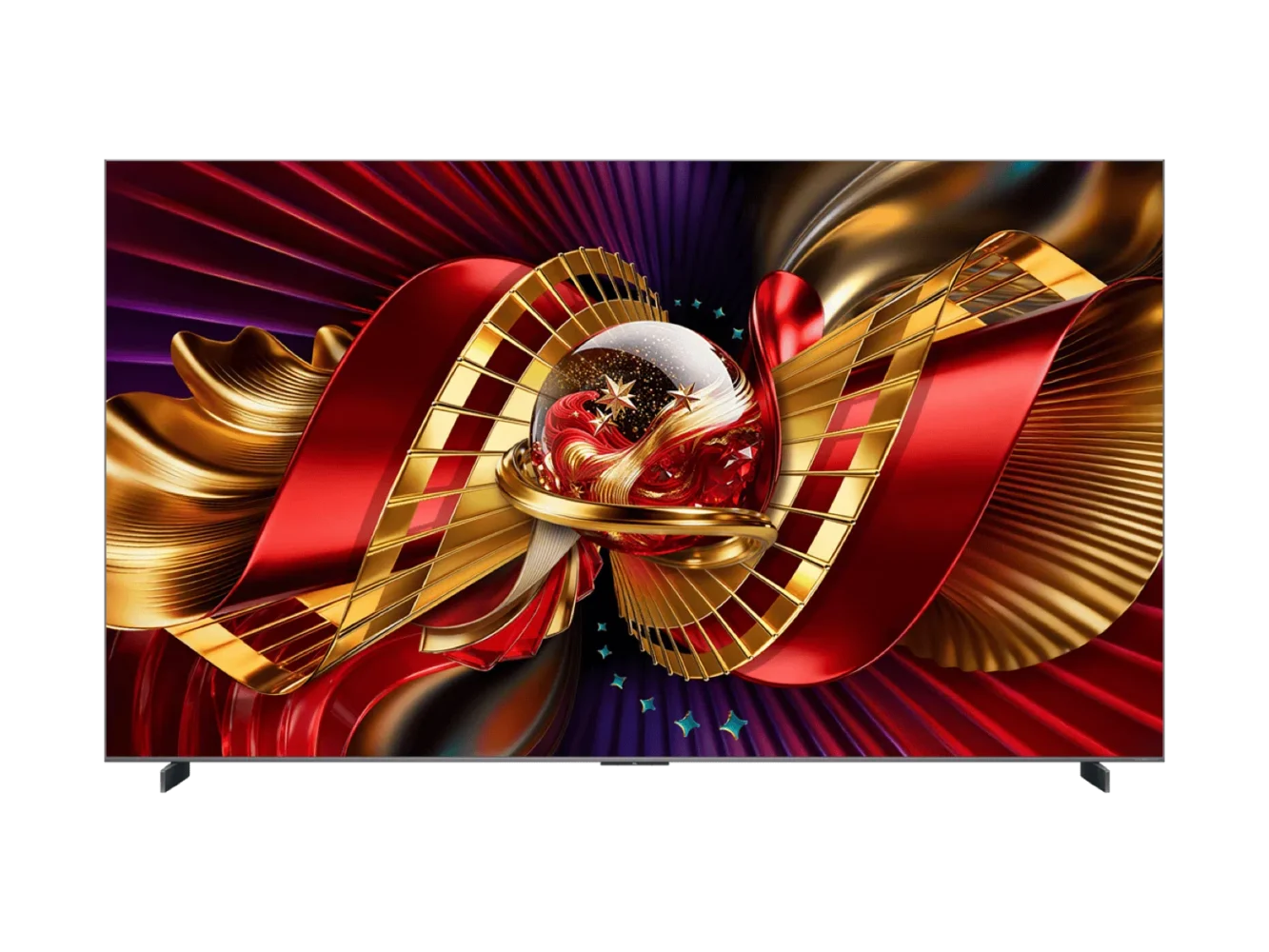
X11L SQD-Mini LED TV (75 to 98 inches): No constraints. This is TCL’s statement product, the model where every specification is pushed as far as the current technology allows. Maximum dimming zones, 10,000-nit peak brightness, the most advanced halo control, the premium Bang & Olufsen audio, Virtually ZeroBorder design, and a panel profile of approximately 2cm at its thinnest point in select models. If you have the space and you want the best display available in 2026, this is the conversation to be having.
Bottom line
TCL made the first Mini LED TV in 2019. The rest of the industry spent the next few years catching up. With SQD-Mini LED TV, they’ve done it again, created a technology that genuinely advances what a display can do, and shipped it first.
The C7L, C8L, and X11L SQD-Mini LED TVs are available now in the UAE. We have a full hands-on review coming, but based on what the engineering is telling us, if you’re due for a TV upgrade, this lineup deserves to be on your shortlist.