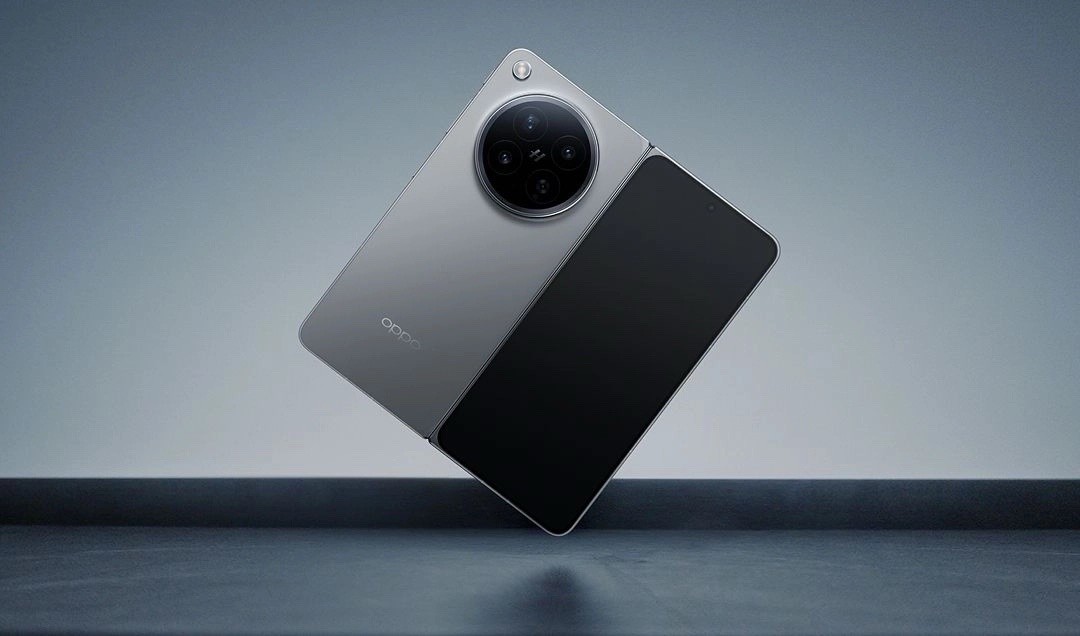
The OPPO Find N6 attempts to push foldable smartphones further into professional territory by combining an expansive inner display with flexible multitasking and AI-assisted tools. While earlier models like the Find N3 introduced improved split-screen handling, the N6 builds on that foundation with features aimed at turning the device into something closer to a portable workstation, though real-world gains will depend on how well apps adapt and whether the hardware lives up to daily demands.
OPPO Find N6
At the center is Free-Flow Window, a multitasking system that lets users run one full-screen app alongside up to three floating windows, or four floating windows at once. Each window can be resized, repositioned, and adjusted in aspect ratio, with all of them staying fully active rather than pausing in the background. This addresses a common frustration on traditional phones, where background tasks often stall. Gestures borrowed from the earlier Boundless View mode allow quick switches—double-tapping swaps windows, drag-and-drop moves content—while pinch gestures toggle between focused and multi-stream layouts. It feels like an incremental but practical step beyond rigid split-screen systems seen on competing foldables, though the footnote in the announcement reminds users that not every app will support the full range of behaviors.
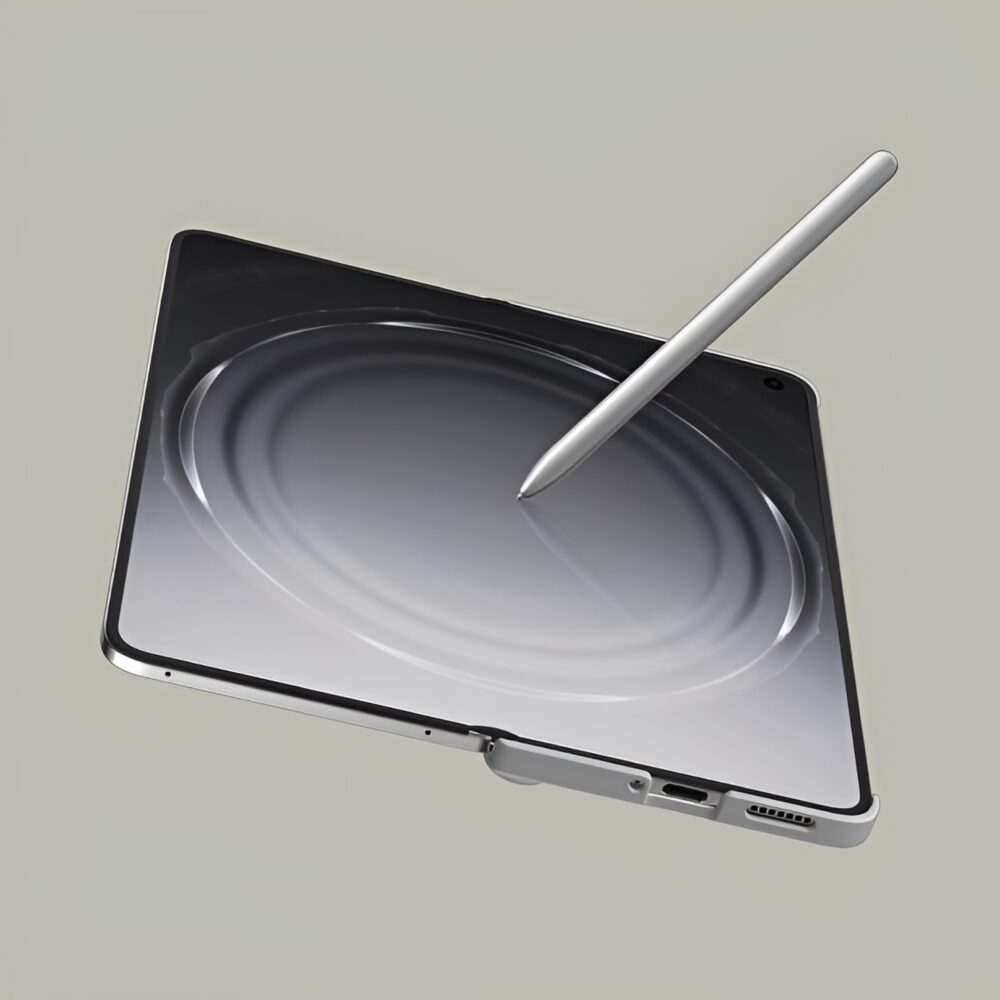
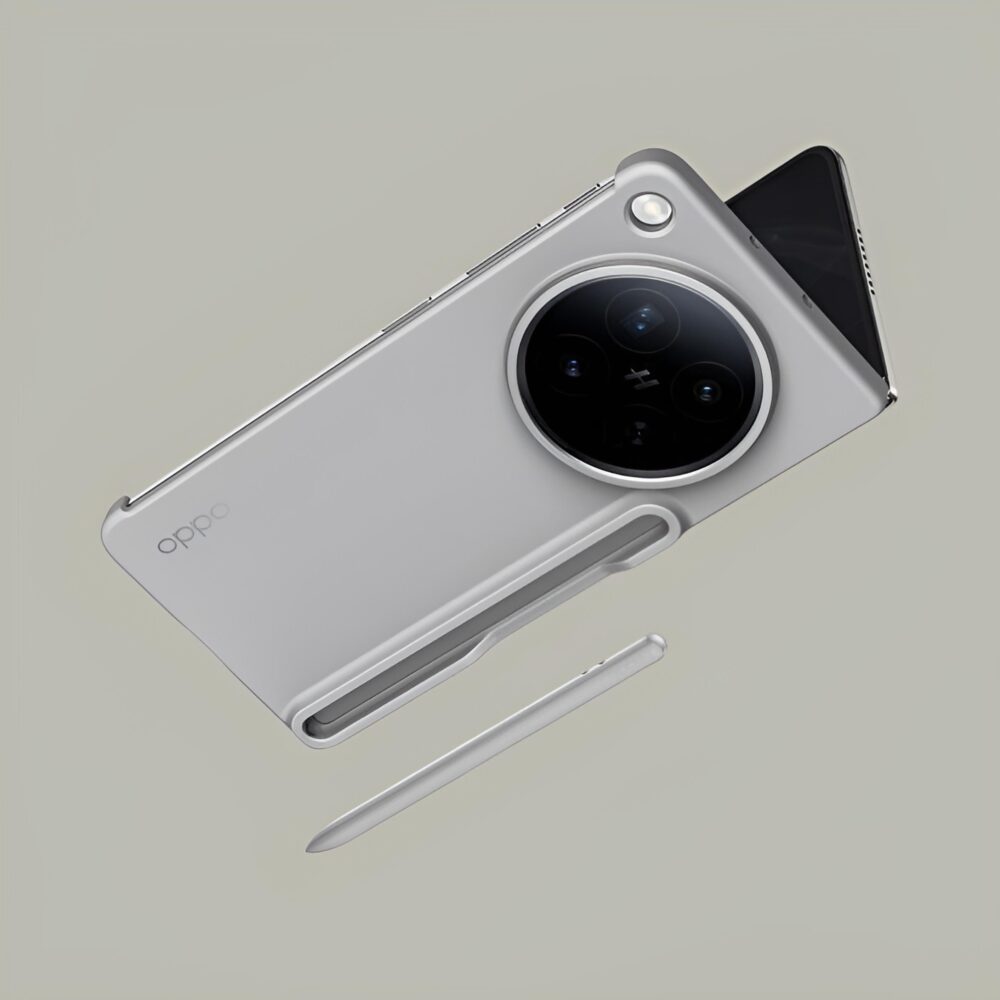
Complementing the software is the redesigned OPPO AI Pen, a pressure-sensitive stylus offering 4,096 levels of sensitivity that works on both inner and outer screens. It stores and charges in a dedicated case via the phone’s reverse wireless charging, providing roughly one hour of use from a three-minute top-up. A side button brings up a tool palette for quick notes, global annotation that persists while scrolling documents, and a laser pointer mode. Long-press features add AI tricks: circling content triggers capture and extraction, while handwritten notes can convert into editable tables or sketches into generated images. These AI functions echo tools already available on tablets and certain high-end phones, but the large foldable canvas makes iteration feel more natural than on smaller devices. Still, the actual quality of AI outputs will vary, and users should temper expectations around seamless professional results without further editing elsewhere.
Additional AI touches include Face-to-Face translation in FlexForm mode, where each person sees results on their side of the opened screen, and automatic bilingual document splitting. Connectivity options extend to file sharing with iOS devices through O+ Connect and screen mirroring or remote control with Windows and Mac computers. These features address longstanding ecosystem friction but are not entirely new in the broader market.
Overall, the Find N6 refines the foldable formula rather than reinventing it. It offers thoughtful productivity enhancements for users already invested in large-screen workflows, particularly those juggling documents, notes, and light creative tasks. Yet foldables still carry compromises in weight, durability, and app optimization that no single update fully resolves. For professionals seeking mobility without sacrificing screen real estate, it represents steady progress, though testing in actual work scenarios remains essential before declaring it a daily driver.