
TL;DR: Pragmata delivers tight, enjoyable third-person shooter action with a surprisingly endearing dad-and-daughter dynamic between Hugh and his AI android Diana. Streamlined systems, fun hacking mechanics, and well-tuned bosses make it a refreshing change from bloated open-world games. Minor control quirks and a divisive cutesy companion aside, it’s a winner for anyone wanting Resident Evil vibes without the horror.
Pragmata
I booted up Pragmata on my PS5 late one night, the kind of evening where the desert heat still lingers and you’re craving something that scratches that exact itch between mindless fun and quiet emotional payoff. What I got was not the sprawling space opera I half-expected, but something far more intimate. A tight, lean third-person shooter wrapped around a surprisingly tender dad-and-daughter dynamic in the middle of a moon base mystery. And honestly, after years of being drowned in endless open-world sandboxes, this felt like Capcom handing me a perfectly portioned espresso shot of sci-fi action instead of another bottomless bucket of lukewarm coffee.
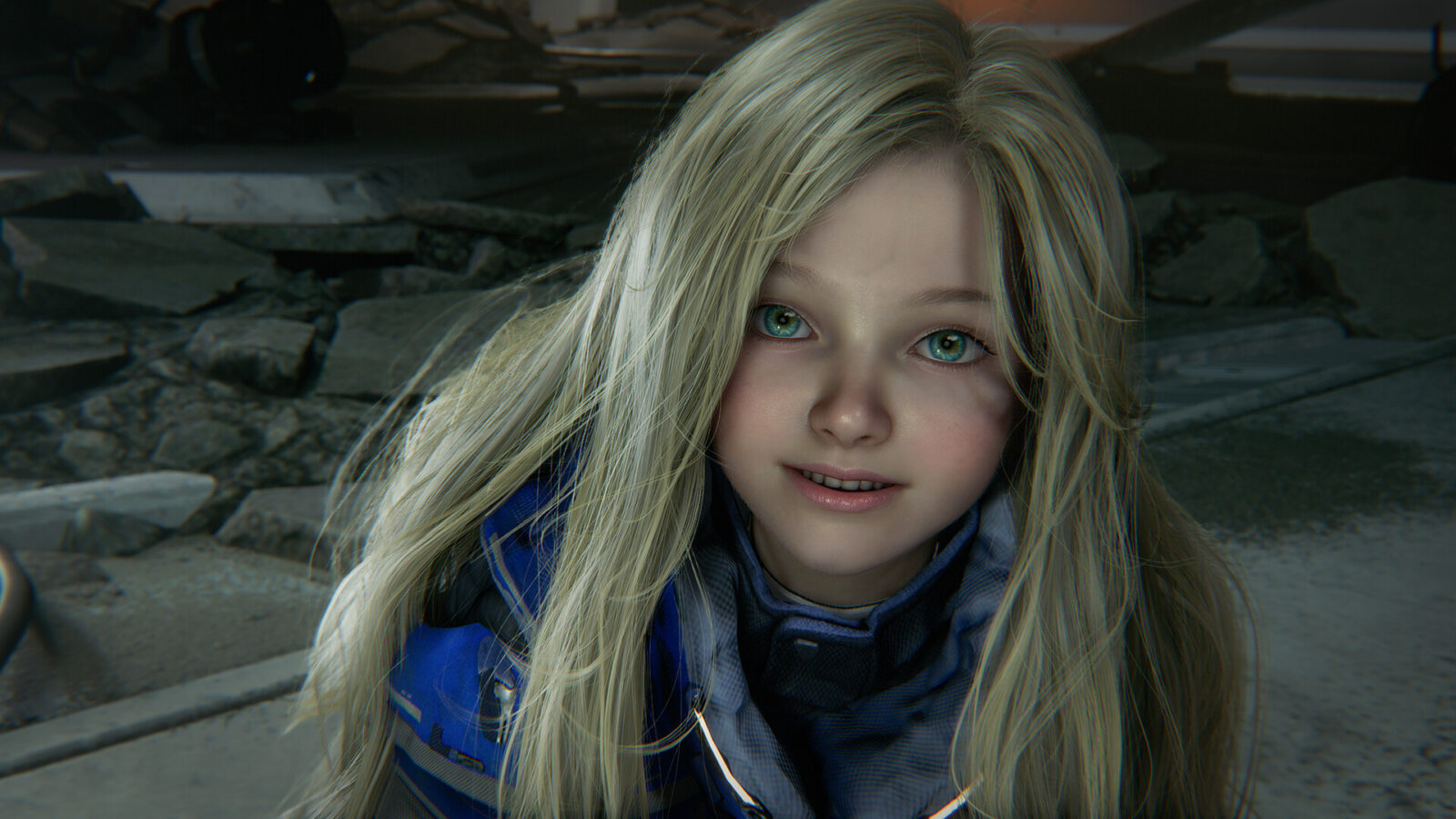
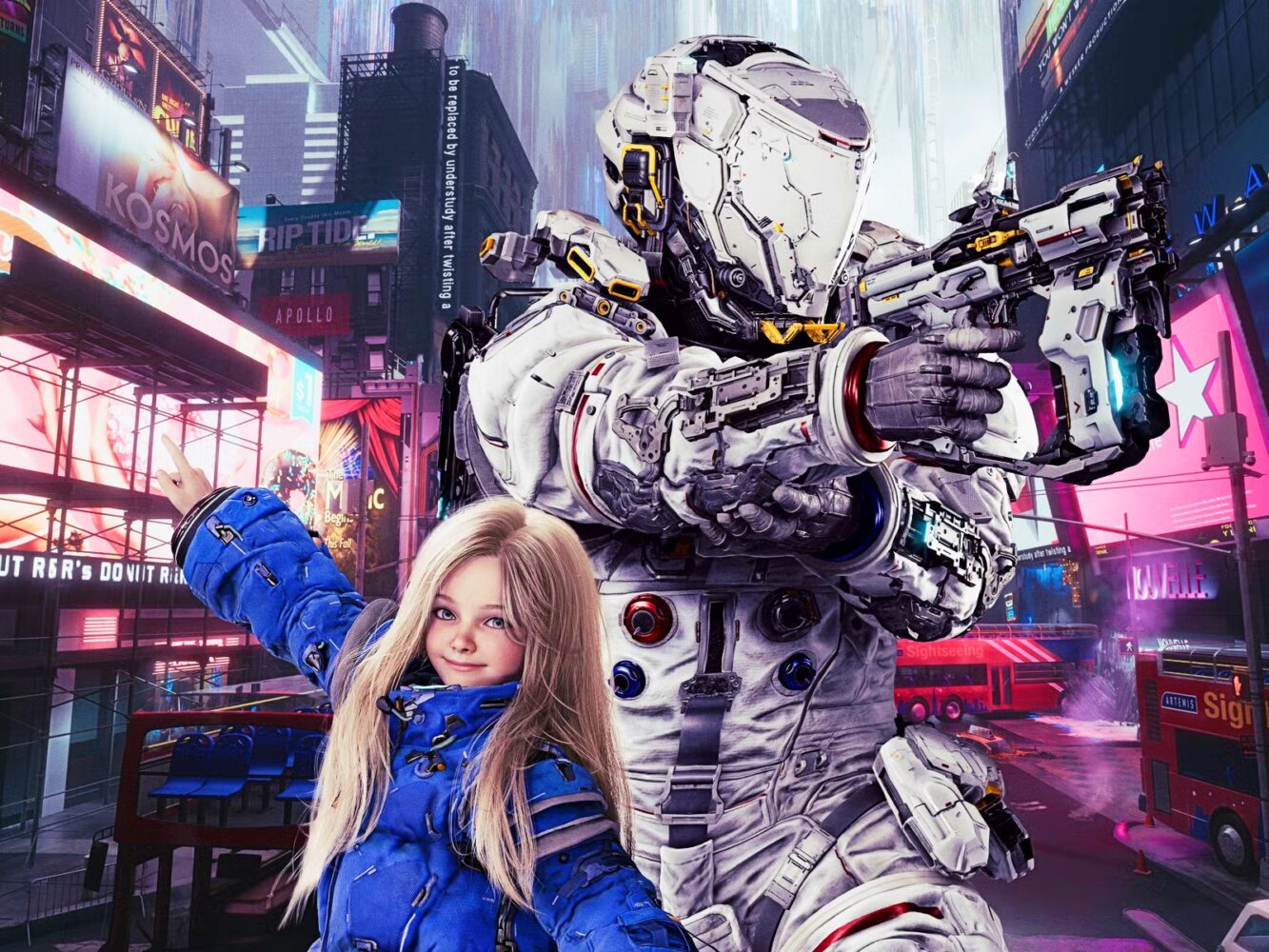
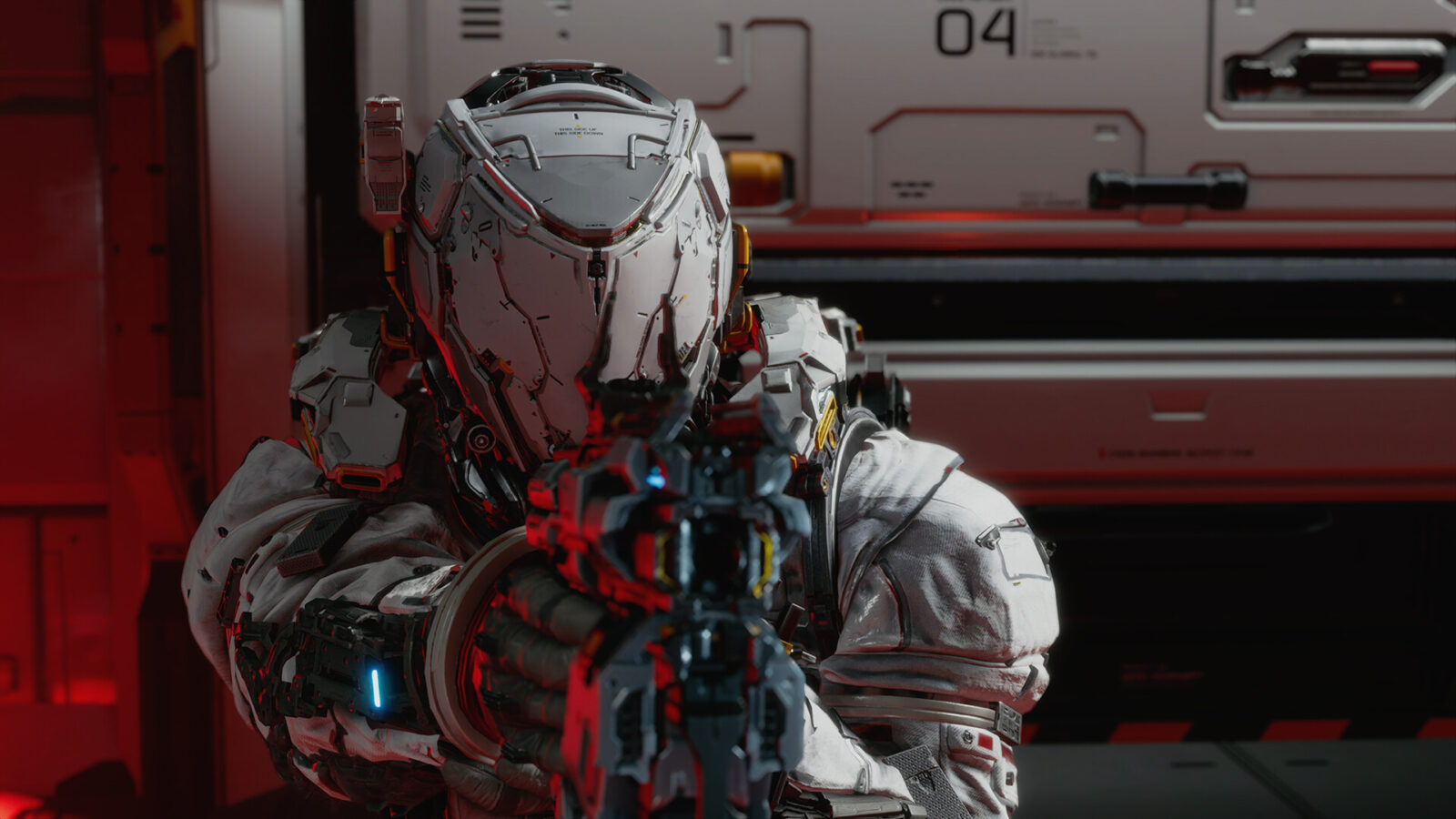
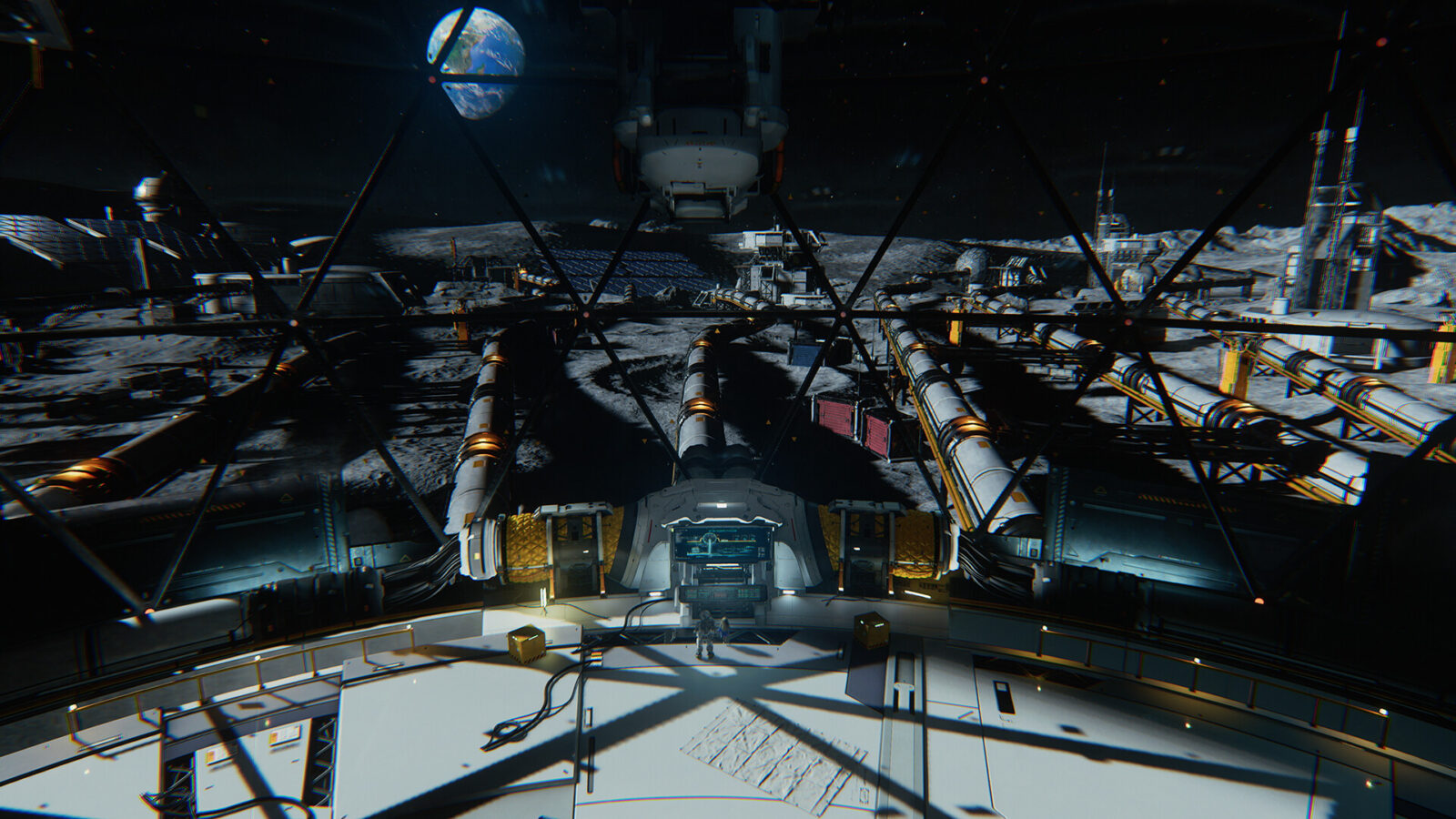
Let me set the scene properly. You play as Hugh, a regular guy thrust into chaos on a suspiciously quiet lunar outpost run by some megacorp that screams Apple-meets-SpaceX vibes. Minutes in, a moonquake hits, your team scatters, and suddenly you’re saddled with Diana — an android designed to look and sound like a five-year-old blonde girl. Yeah, it’s as weird as it sounds on paper. But instead of feeling creepy or forced, the game leans into it with this earnest, almost wholesome energy that caught me off guard in the best way.
What makes Pragmata click so well is how it borrows the DNA of Resident Evil Requiem’s engine and combat flow, then strips away the horror and bloated systems to create something refreshingly focused. No vast skill trees that require a spreadsheet to optimize. No inventory management that turns every loot drop into a chore. Just you, a self-reloading primary gun, a couple of special tools, and Diana’s hacking ability that turns every firefight into this delightful little juggling act.
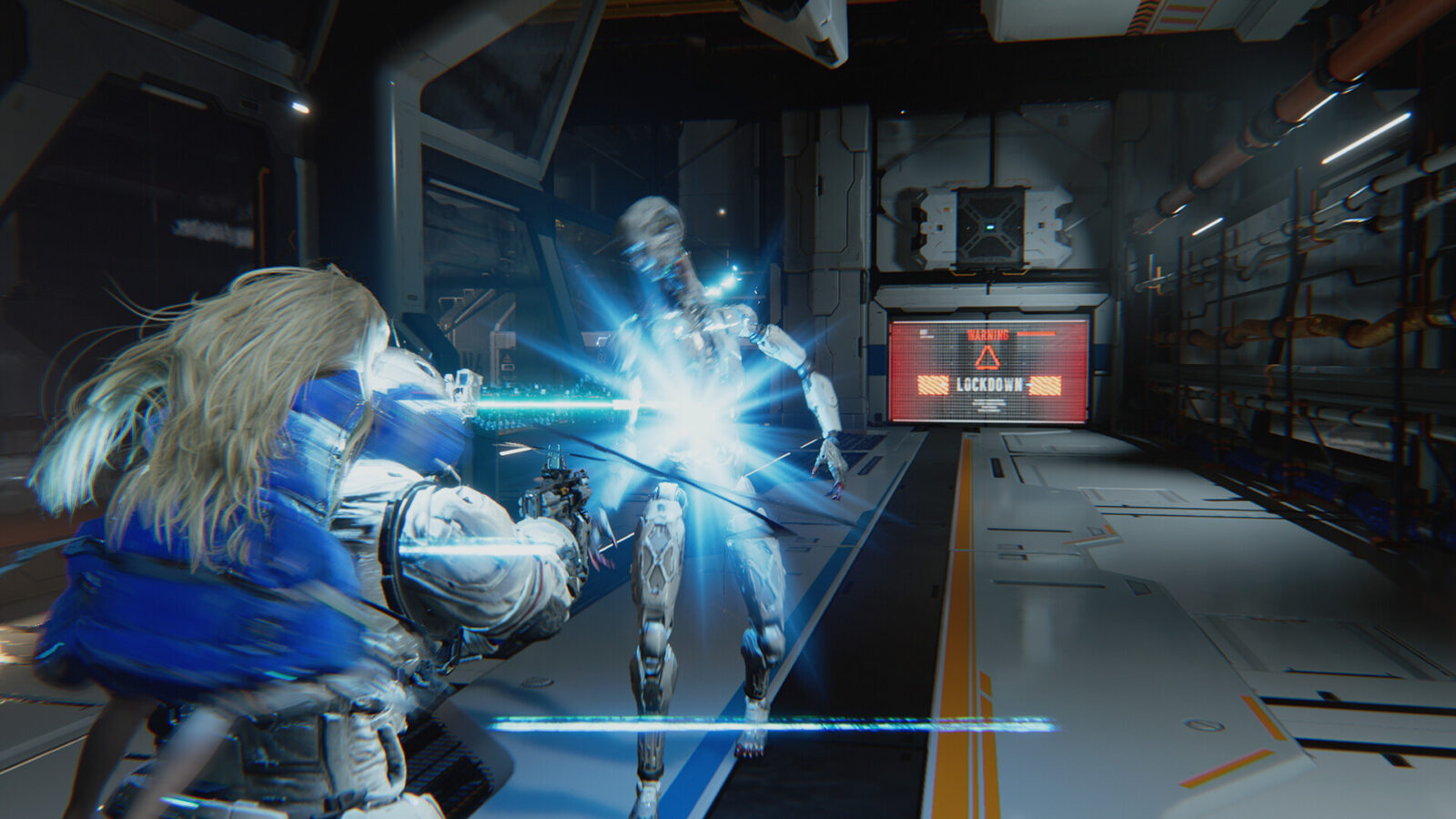
Picture this. You’re in the middle of a tense corridor scrap with slow-moving robot enemies that feel like slightly more metallic zombies. While you’re dashing, shooting, and trying not to get cornered, you’ve also got to juggle the right-side face buttons to guide Diana through a quick hacking mini-game — basically navigating a tiny maze while bullets fly. It sounds messy on paper, and yeah, the first few times my thumbs did feel like they were playing Twister on the DualSense. But once it clicks? Man, it becomes this satisfying rhythm. Hack to weaken, shoot to destroy, repeat. The danger never lets up, but it never tips into frustration either.
And then there are the quiet moments that sneak up on you and hit different. Between missions, back at your little antiseptic shelter on the moon base, you can gift Diana random playsets you scavenged — a basketball hoop here, a swingset there. In return, she hands you these crayon drawings that look exactly like something a real five-year-old would proudly stick on the fridge. I caught myself smiling like an idiot the first time it happened, thinking about all those late nights I’ve spent playing games with my own family in mind. There’s something weirdly human about watching this weaponized bundle of circuits light up over a plastic hoop, then reward you with her awkward little artwork. It’s the kind of small, tender detail that makes you forgive the occasional “why is she a kid android again?” questions that bubble up in the back of your brain.
The story setup itself plays in that same streamlined lane. Pragmata doesn’t drown you in dense lore dumps or philosophical monologues about AI and humanity. It keeps things moving. You’re investigating what went wrong on this moon base, dealing with increasingly bizarre 3D-printed monstrosities, and slowly figuring out Diana’s true purpose. The narrative beats land because they’re earned through gameplay rather than cutscenes that overstay their welcome. And every once in a while, Hugh drops these little Earth stories to his moon-born robot daughter, painting pictures of blue skies and oceans she’ll never truly experience. It’s corny. It’s illogical. And somehow, it works.
Combat stays satisfying throughout the sections I’ve played so far. Enemies come in escalating flavors that force you to actually use Diana’s hacks instead of just holding down the trigger. The level design keeps things linear but never boring — think room-to-room arenas with light platforming, hidden scan nodes for doors, and plenty of corners to peek around. Boss fights, in particular, have been a highlight. These massive stomping mega-bots throwing rockets and lasers while you dash around trying to keep Diana’s hack online. I had one third-area boss push me right down to a sliver of health after some sloppy mistakes, and the next five minutes turned into this pure adrenaline scramble where every dodge and hack counted. Crucially, I only had to retry each boss once. Capcom nailed that sweet spot — challenging enough to feel earned, never so punishing that it breaks the flow.
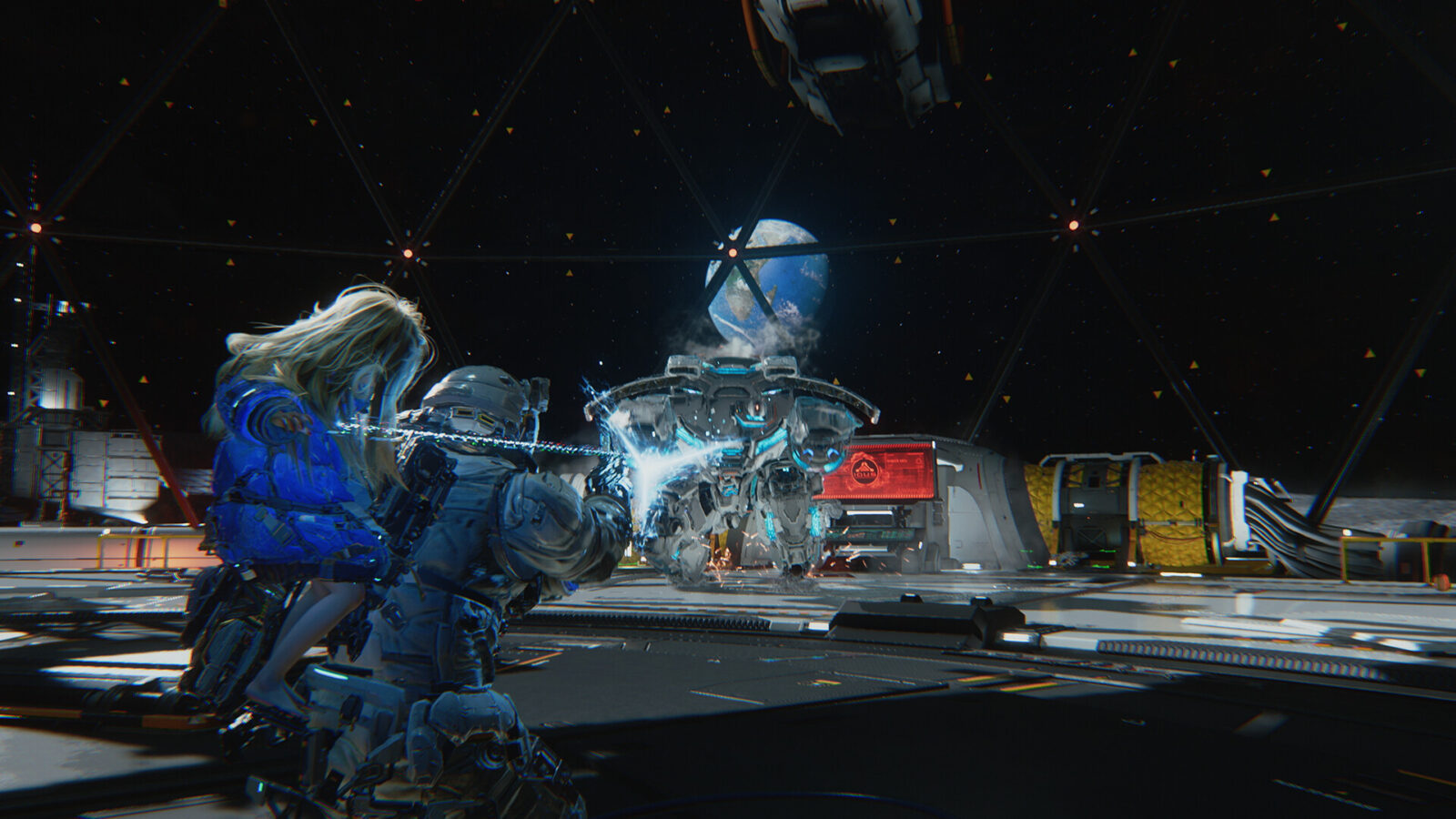
What I appreciate most about Pragmata is its confidence in restraint. In an era where so many sci-fi games chase the “bigger is better” dragon — think Starfield’s endless planets or No Man’s Sky’s procedural oceans — this one says “nah, we’re good with a tight ten-to-fifteen hour experience packed with personality.” It reminds me of those perfect Saturday afternoon action movies from the 90s that knew exactly when to end and leave you wanting more, rather than stretching into a bloated trilogy no one asked for.
Of course, it’s not flawless. Diana’s cutesy voice might grate on some players after a while, especially if you’re the type who prefers your sci-fi companions a bit more stoic. The hacking controls take a minute to feel natural, particularly if you’re coming straight from something with more refined dual-wielding inputs. And yeah, the whole “childlike android drawing crayons” premise sits in this uncanny valley that occasionally makes you pause and chuckle at how Capcom committed so hard to the bit.
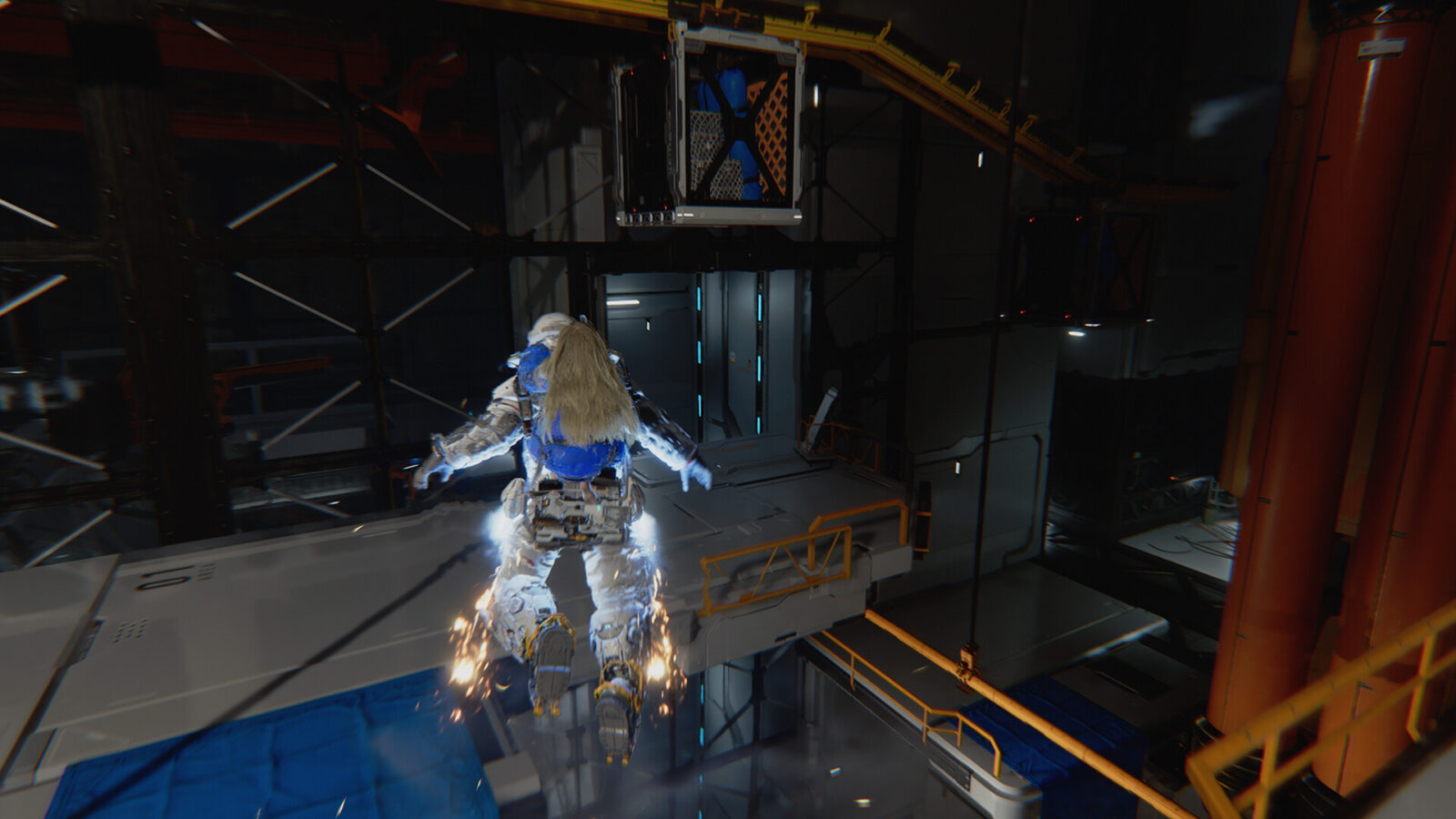
But those are small gripes in a package that otherwise feels like a warm hug from an old friend who just happens to have killer robot-fighting skills. Pragmata isn’t trying to reinvent the wheel or dominate your entire gaming calendar. It’s a weekend jaunt. A chaser for anyone who loved the action in recent Resident Evil entries but wanted something lighter on the horror and heavier on the heart. A game that lets you shoot robots, bond with your pint-sized AI sidekick, and still have time left over to ponder the little crayon drawing she just gifted you.
After everything, Pragmata left me genuinely looking forward to firing it back up tonight. That’s rarer than it should be these days.
Verdict
Pragmata is the kind of focused, heartfelt sci-fi shooter we don’t see enough of anymore. It takes the best parts of Resident Evil-style action, wraps them in a lean narrative with real emotional warmth, and delivers satisfying combat that never overstays its welcome. If you’re craving something that feels personal rather than procedural, this might just be your next favorite weekend escape — weird kid android and all.