
Google’s Fitbit Air, a screenless wearable positioned as an affordable alternative to devices like Whoop, has begun shipping to early customers, but initial feedback points to a noticeable design shortcoming. Reports emerging on Reddit, particularly from users with smaller wrists, indicate that the accompanying bands often fail to fit properly, sitting loosely rather than maintaining the consistent skin contact required for reliable sensor data.
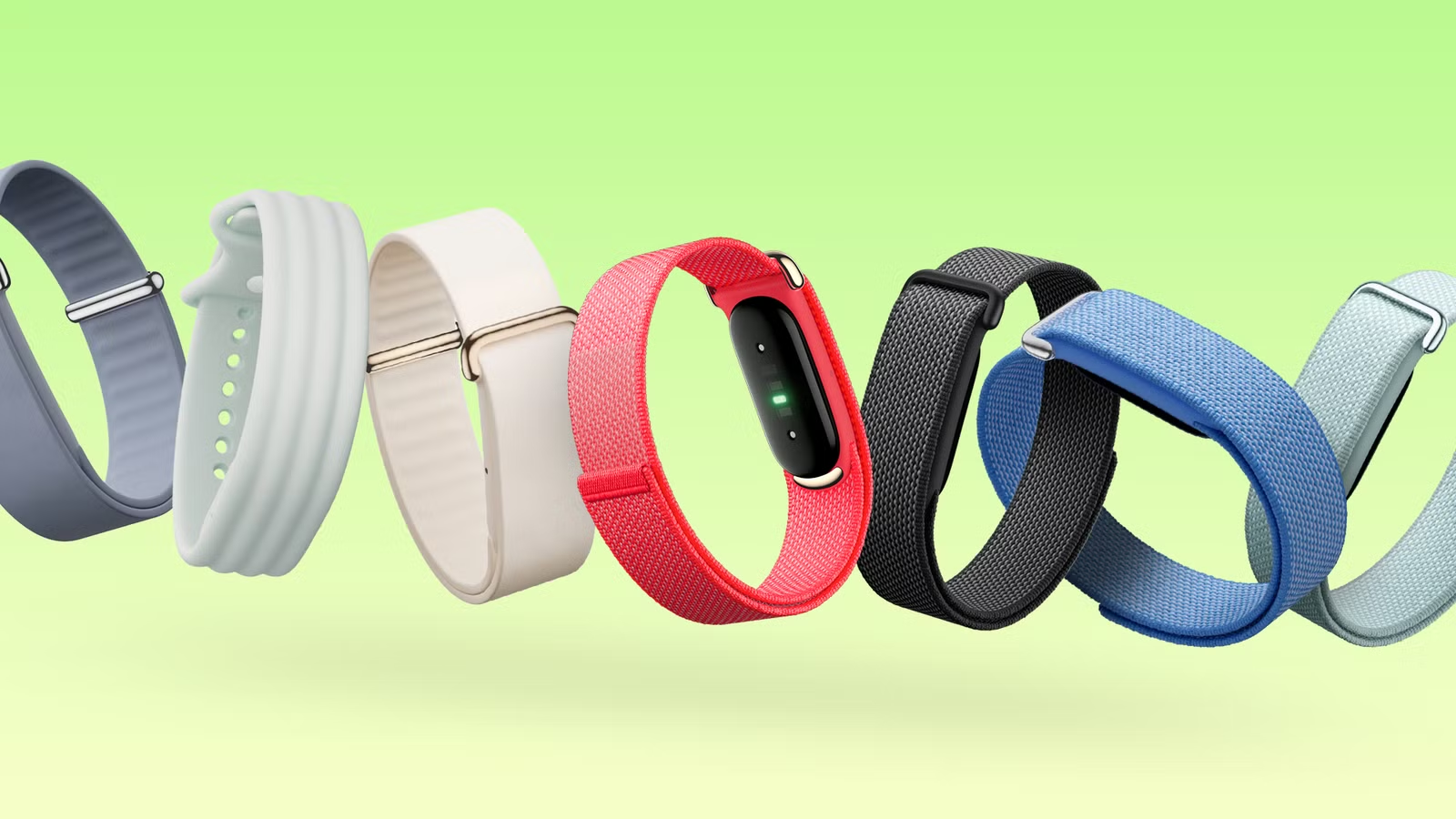
The issue first gained attention through a post by Reddit user enchantress11 in the r/fitbit community. Images shared show both the standard Performance Loop Band and the pricier Elevated Modern Band failing to secure snugly. For accurate heart rate, sleep tracking, and activity measurements, wearables depend on stable contact with the skin. A loose fit undermines this, potentially rendering key functions less dependable. Commenters sympathized, with some joking about “comically small wrists,” while others suggested unconventional placements like the bicep or ankle. The original poster acknowledged exploring those options but noted the need for comparative wrist data first.
On paper, shifting the device to larger body areas makes some sense, as ankles and biceps typically exceed wrist circumference. Yet this workaround carries clear limitations. The Fitbit Air’s sensors are calibrated specifically for wrist use, meaning readings from alternative placements could prove inconsistent or misleading. A more practical fix for affected users involves sliding the band slightly higher onto the forearm. Others may need to seek third-party replacement bands available on Amazon, adding unexpected cost to a device that starts at $100.
This sizing problem highlights a recurring challenge in wearable design. While companies have improved options for different wrist sizes over the years, budget-oriented or minimalist devices sometimes overlook the full spectrum of users. The Fitbit Air’s no-screen approach already represents a deliberate step back from feature-heavy smartwatches, aiming for simplicity and longer battery life. However, execution details like band fit matter greatly when the entire value proposition rests on passive, continuous tracking. Past Fitbit models generally handled sizing better, making this oversight on a new release somewhat surprising.
Broader context reveals that fit issues are not unique to Google. Competitors like Oura Ring have faced criticism over sizing, and even premium bands from other brands occasionally require adjustments. Still, for a product targeting everyday users rather than enthusiasts, the Fitbit Air’s early reports suggest room for improvement in inclusivity. Google has not yet issued an official response, but software updates or additional band sizes could address concerns down the line.
For those considering the Fitbit Air, the device offers an intriguing, low-distraction alternative in a market saturated with notification-heavy gadgets. Its appeal lies in focused health insights without constant screen interaction. That said, potential buyers with smaller wrists should approach with caution and perhaps factor in possible band replacements. As more units reach customers, clearer patterns will emerge on whether this remains an isolated complaint or a wider design limitation.