
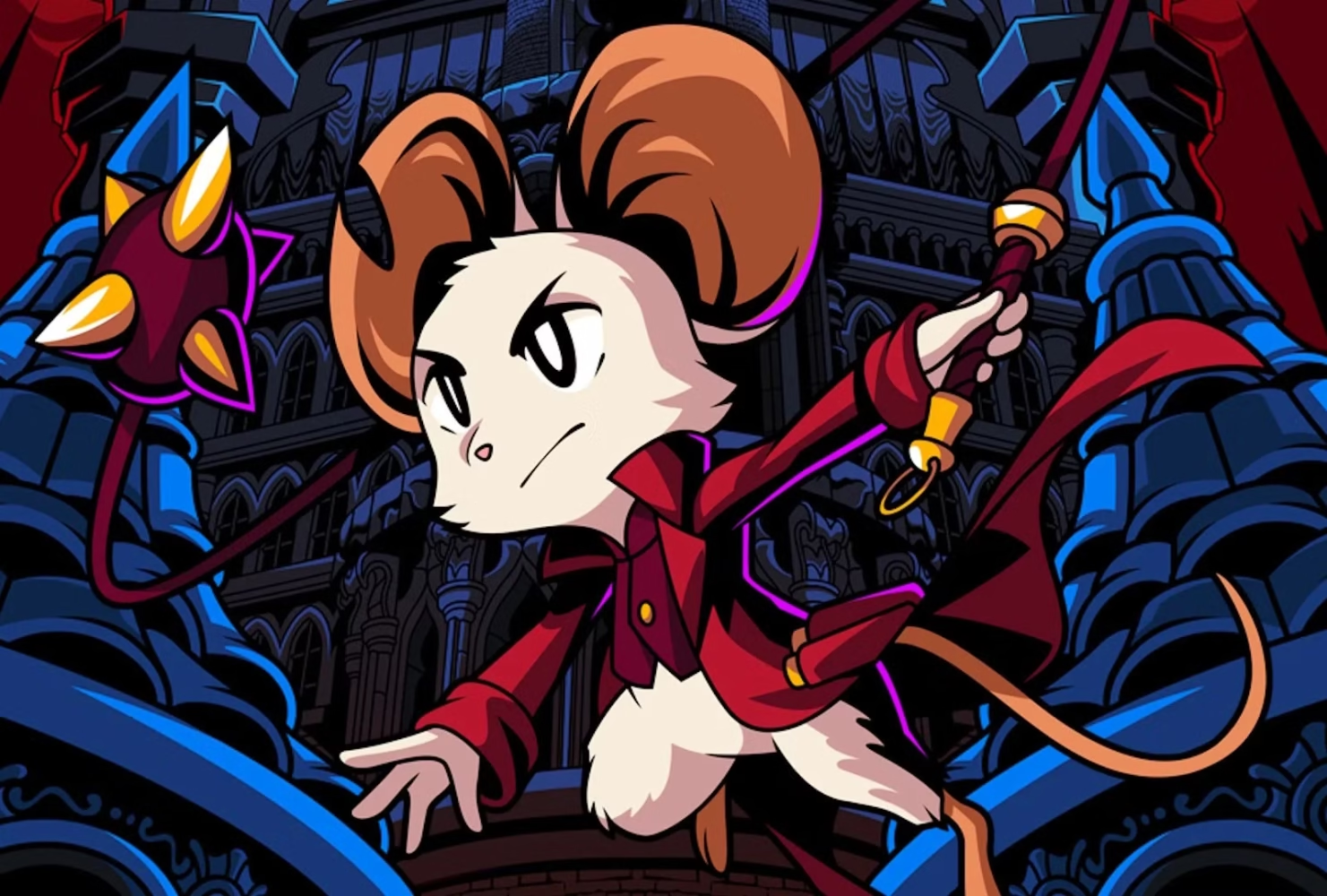
TL;DR: Mina the Hollower delivers a masterful blend of Zelda exploration, Castlevania atmosphere, and Souls-like challenge in a charming retro package. Its fluid combat, reactive world, and deep progression systems create an addictive loop of discovery and mastery that lingers long after finishing. An absolute must-play for adventure game enthusiasts seeking something fresh yet familiar.
Mina the Hollower
Diving headfirst into Mina the Hollower feels like unearthing a forgotten gem from your childhood game collection, only to discover it has evolved into something far more ambitious and alive than anything the old cartridge days could dream of delivering. As a seasoned explorer of retro-inspired worlds, I booted this up expecting a charming homage to the Game Boy era, complete with chunky pixels and simple platforming thrills. What I got instead was an expansive adventure that masterfully stitches together the exploratory freedom of classic Zelda, the gothic atmosphere of Castlevania, and the punishing yet rewarding risk-reward cycles of FromSoftware titles. Yacht Club Games has crafted something special here—a compact package that punches way above its weight, delivering dozens of hours of genuine discovery, clever combat experimentation, and a world that lingers in your thoughts long after you set the controller down. It is the kind of game that reminds you why we keep returning to these blocky, low-res realms: they hide depths that modern graphical spectacles often gloss over in favor of flash.
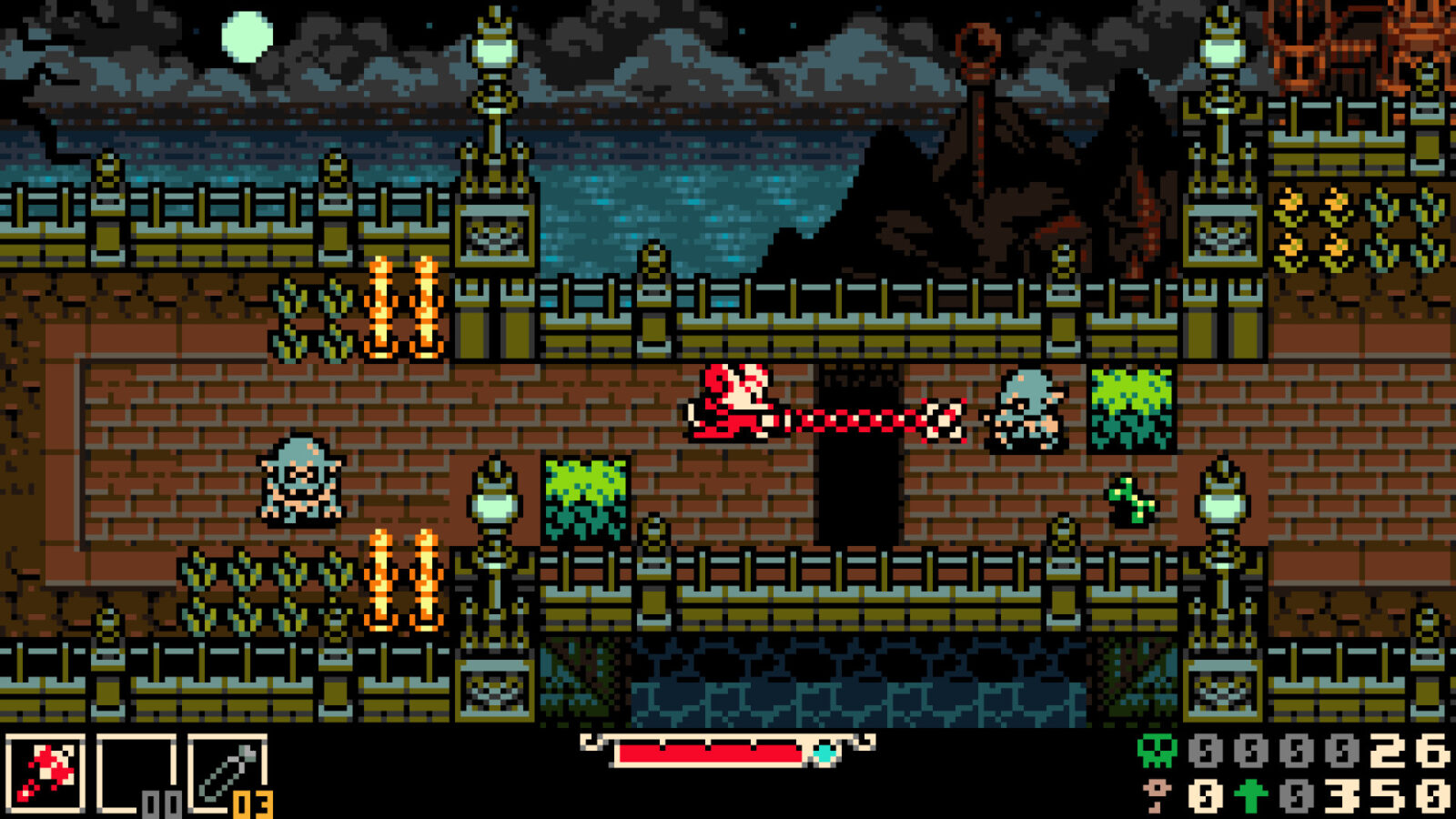
From the moment you step into the role of Mina, this plucky little white mouse with a penchant for monster slaying and mad science tinkering, the game wraps you in its surreal embrace. The Tenebrous Isles unfold like a dreamlike tapestry woven from gothic fantasy and steampunk whimsy, where adorable animal villagers rub shoulders with towering giants and friendly abominations that defy easy categorization. I spent my early hours simply wandering the overworld, marveling at how the environments shift from misty swamps to windswept autumnal groves that feel alive with personality. Every region carries its own mood, backed by a soundtrack that channels those classic beepy, baroque chiptunes capable of sending chills down your spine while making your feet tap along. It is immersive in the truest sense, where the limitations of retro aesthetics become strengths, forcing the developers to focus on mood, movement, and meaningful interaction rather than relying on high-fidelity visuals to carry the experience.
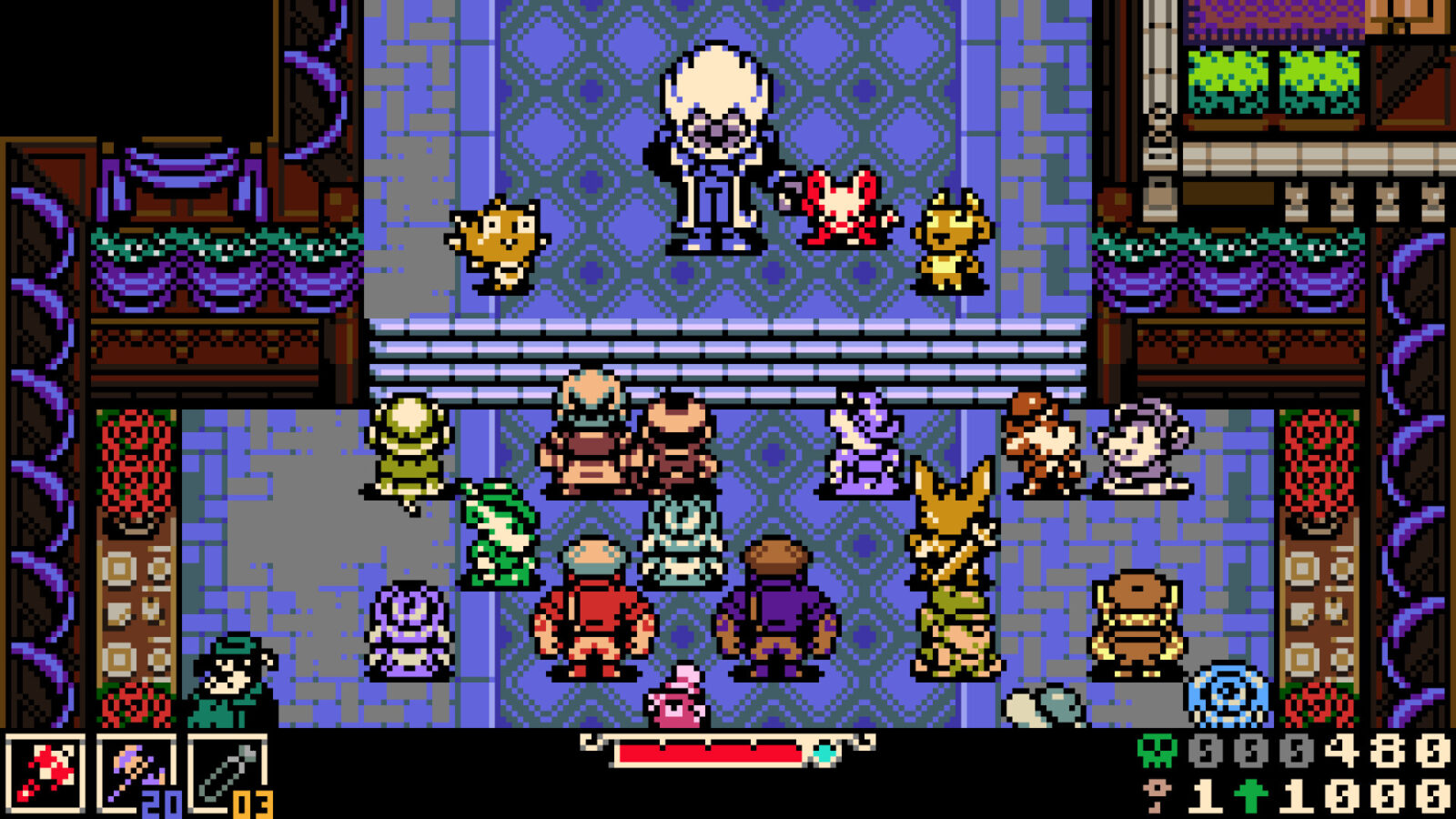
What truly sets Mina the Hollower apart is how it handles its open-world design with remarkable confidence. Unlike many modern titles that overwhelm you with markers and hand-holding, this one drops you into a living map where progression feels earned through curiosity and skill rather than arbitrary gates. You can tackle its six main dungeons in almost any order from the outset, provided you have the guts and preparation to survive the journey. This freedom creates countless “what if” moments—do you push toward that distant silhouetted spire looming ominously on the horizon, or detour into a side path teeming with grindable foes? I found myself constantly rerouting based on my current loadout and confidence level, turning what could have been a linear trek into a deeply personal expedition filled with triumphs and humbling setbacks. The game trusts players to experiment, fail, and grow, which is a refreshing throwback to the exploratory spirit that defined the best 8-bit and 16-bit adventures.
Mastering Mina’s Nimble Arsenal: Combat That Rewards Creativity
Combat in Mina the Hollower evolves from simple hack-and-slash roots into a fluid, almost balletic system that invites constant tinkering and mastery. At its core is Mina’s signature burrowing ability, which lets her dive underground for a quick dash or reposition before popping up for an aerial strike. It took me a solid few hours to internalize the timing, but once it clicked, navigating enemy patterns transformed into an exhilarating dance. Picture sliding beneath a hulking knight’s swing, resurfacing behind it, and chaining into a whip attack that cracks with satisfying weight—there is a tactile joy here that modern action games sometimes lose amid flashy particle effects.
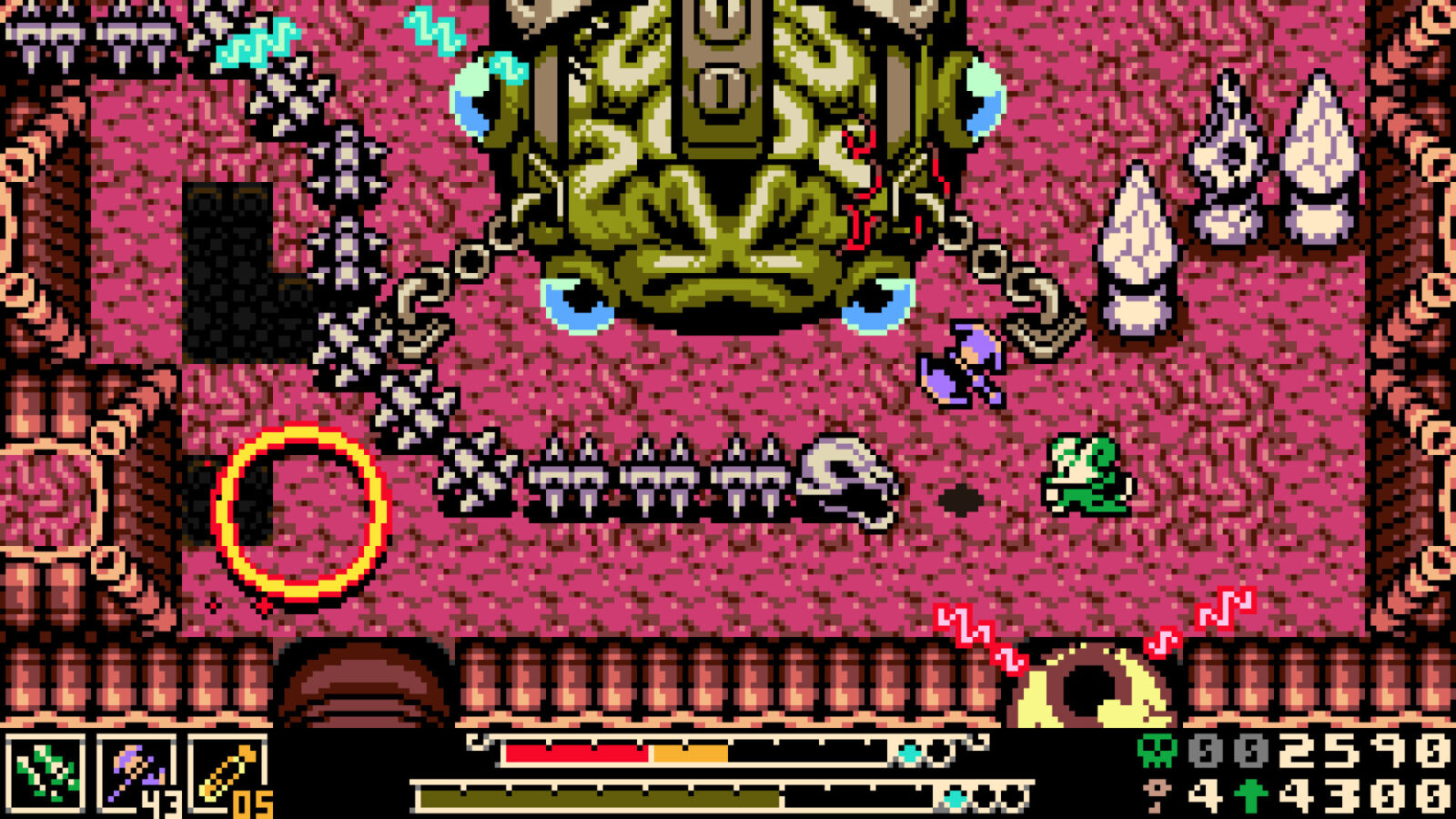
I experimented endlessly with weapon choices, from the reliable Nightstar mace-and-chain that echoes classic vampire-hunting tools to swift daggers perfect for aggressive, no-miss combos. Each option feels distinct and viable depending on the situation, encouraging you to swap based on whether you are exploring tricky platforming sections or facing down a towering boss. Layer in the Sidearms—secondary tools ranging from jousting bicycles for traversal to ghostly companions that drain enemy resources—and you have a toolkit that never grows stale. The real magic happens with Trinkets, equippable buffs that modify everything from jump floatiness to attack multipliers. Building synergistic loadouts became one of my favorite rituals; swapping out exploration-focused pieces for combat-oriented ones right before a boss door felt like preparing for an epic showdown in an old-school RPG campaign with friends.
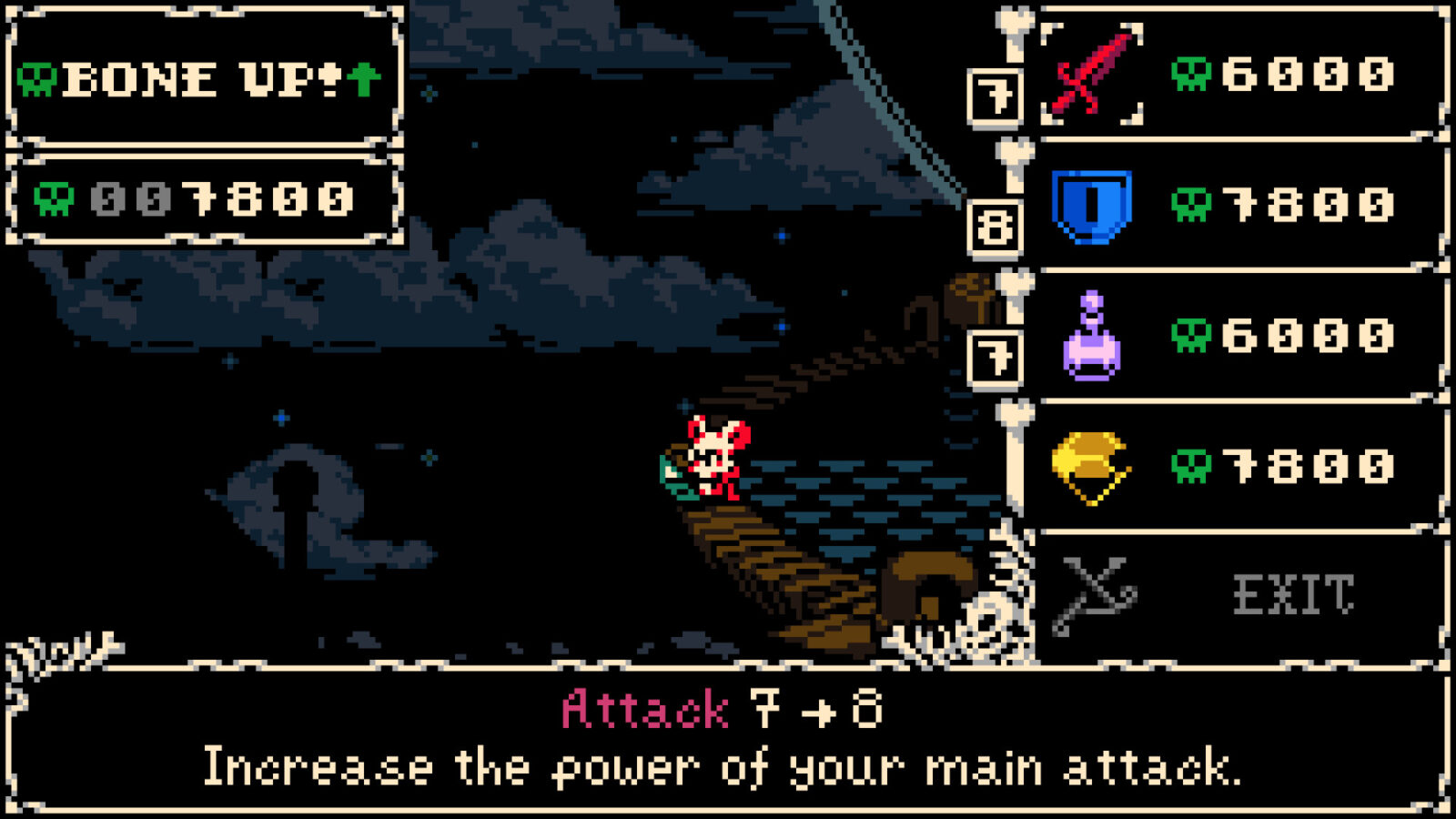
The difficulty curve strikes a clever balance that respects your intelligence while challenging your reflexes. Early encounters can feel brutal, especially when you are underleveled and learning the ropes, but the game always offers alternative paths or grinding opportunities to tip the scales in your favor. This Souls-inspired progression, where you collect Bones to upgrade stats at special Underlab save points, creates tense decision-making loops. Do you risk pushing deeper into unknown territory with your current haul, or retreat to cash in and strengthen Mina? I loved how this mirrored real-life risk assessment, making every successful run feel like a hard-won victory rather than an inevitable scripted progression.
The Surreal Storytelling and World That Keeps Pulling You Back
Beneath the pixelated charm lies a narrative that explores gray moral areas with surprising nuance for a retro-styled title. Mina is not your typical wide-eyed hero; her inventions that power the isles come with complicated consequences, forcing you to question the line between helpful innovation and unintended chaos. The cast of quirky inhabitants—ranging from possum-like monsters to eccentric villagers—react dynamically to your choices, creating a world that feels reactive and lived-in. I particularly appreciated the Lynchian weirdness infused throughout, where cute sprites give way to haunting portraits during conversations, blending whimsy with an undercurrent of the uncanny that keeps you guessing.
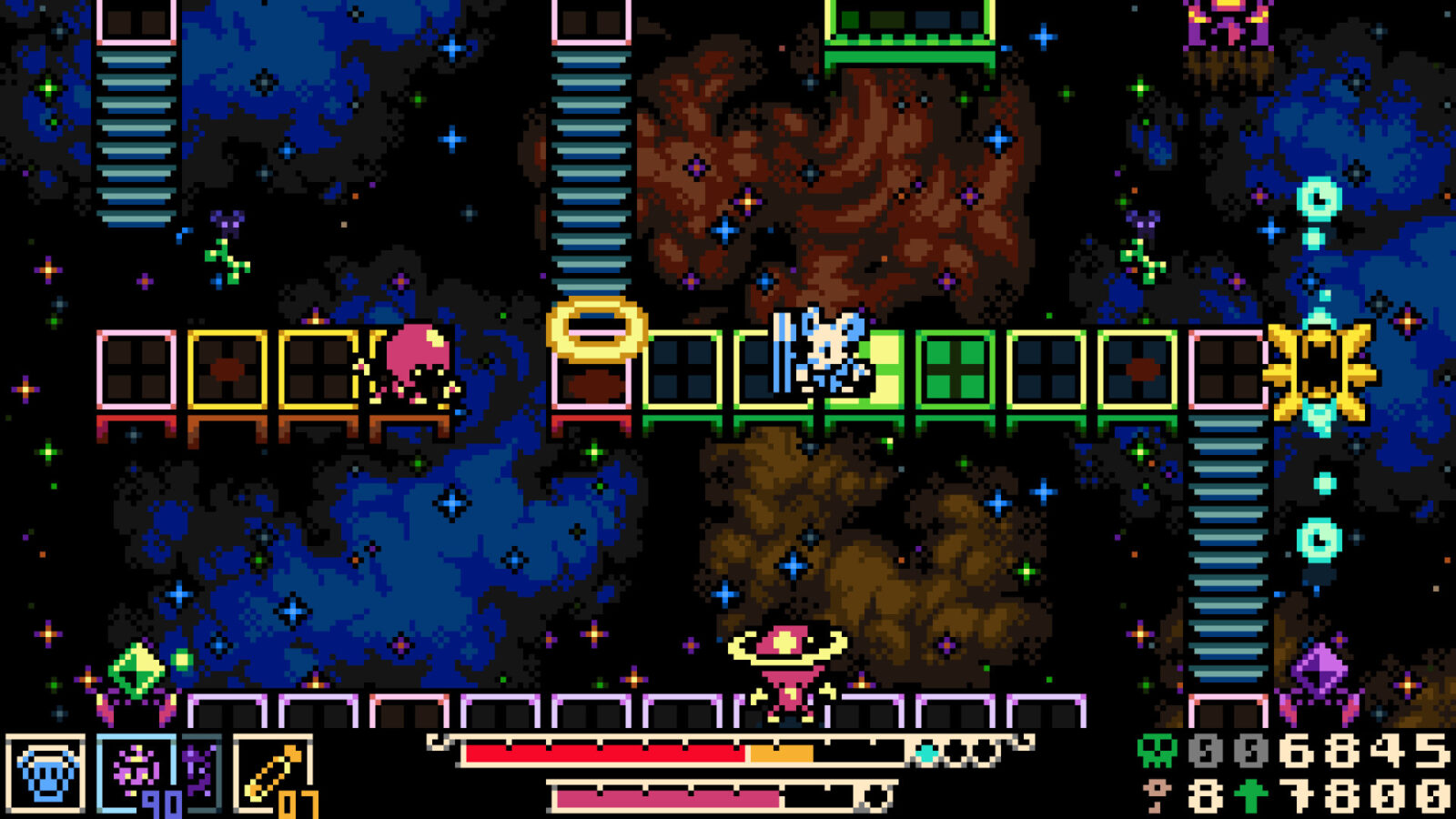
One standout region, an autumnal nightmare zone filled with gusting winds, hedge mazes, and escalating horrors, stands out as a masterclass in environmental storytelling. Battling through lightning storms while managing a persistent lurking threat turned into an adrenaline-fueled sequence that had me yelling at the screen in equal parts terror and delight. It captures that perfect spooky-season vibe, blending schlocky horror tropes with genuine tension in a way that feels fresh even in 2026. These moments elevate Mina the Hollower beyond mere nostalgia bait, turning it into a thoughtful meditation on exploration, creation, and the costs of progress wrapped in accessible gameplay.
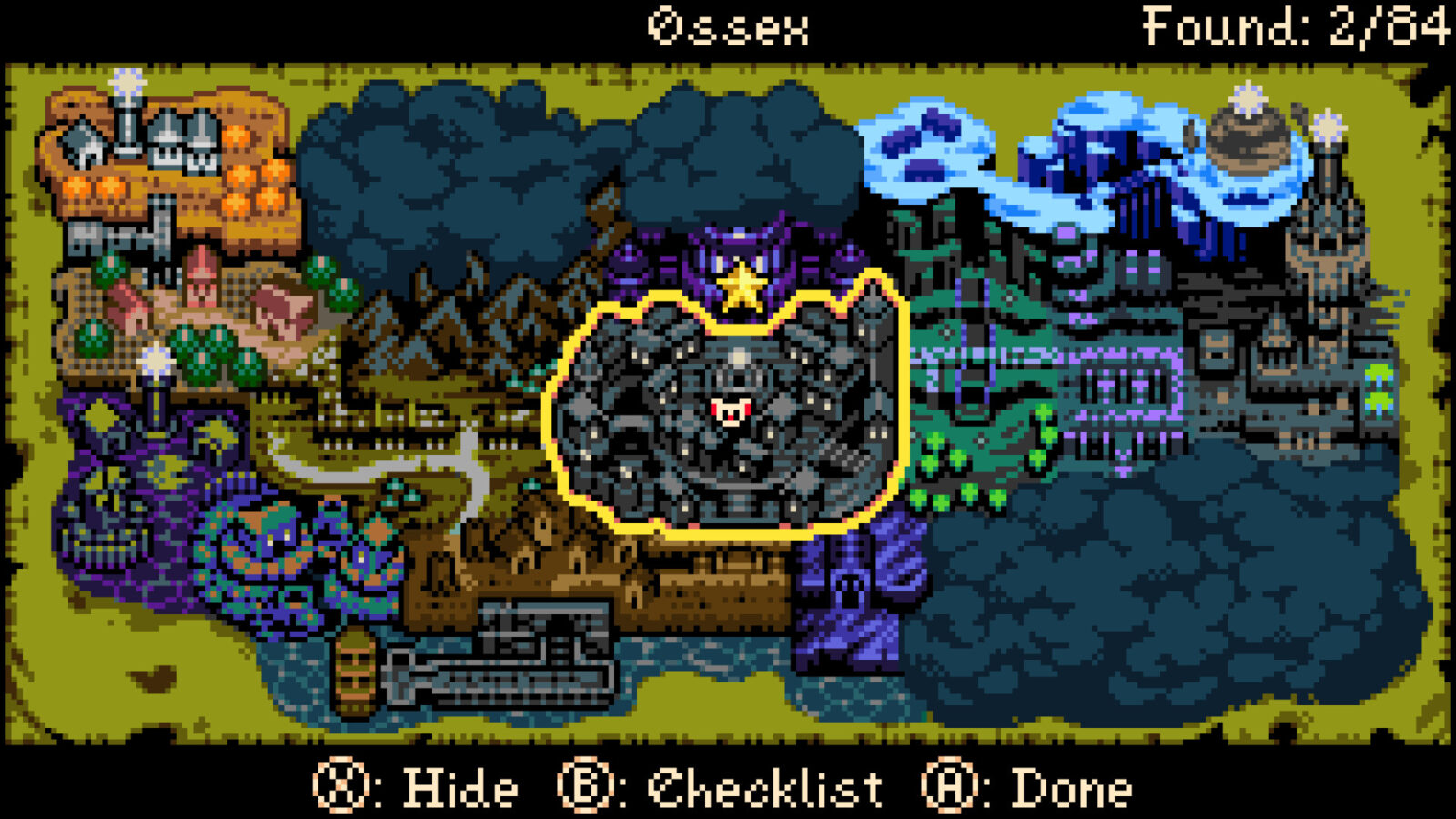
Puzzles integrate seamlessly into the adventure, often relying on clever use of Mina’s abilities and Trinkets rather than abstract logic. Figuring out how to reach a distant chest by combining burrowing leaps with floating descents provided that classic “aha!” rush without ever feeling unfair. Secrets hide in plain sight, rewarding thorough explorers who probe every corner, gap, and suspicious wall. The absence of a detailed map actually heightened the thrill of discovery, making each find feel like uncovering buried treasure in your backyard as a kid.
Why Mina the Hollower Stands Tall Among Zelda-Likes and Retro Revivals
In an era overflowing with action-adventure games chasing the next big open-world trend, Mina the Hollower proves that sometimes the most innovative experiences come from lovingly remixing the past. It takes the spirit of handheld Zelda titles, infuses it with Metroidvania-style progression and Souls-like resilience, and emerges as something wholly its own. Compared to other modern takes on the formula, it shines through its willingness to let players define their journey through meaningful choices rather than prescribed paths. Whether you prefer methodical grinding to overpower challenges or pure skill-based mastery, the game accommodates both without judgment.
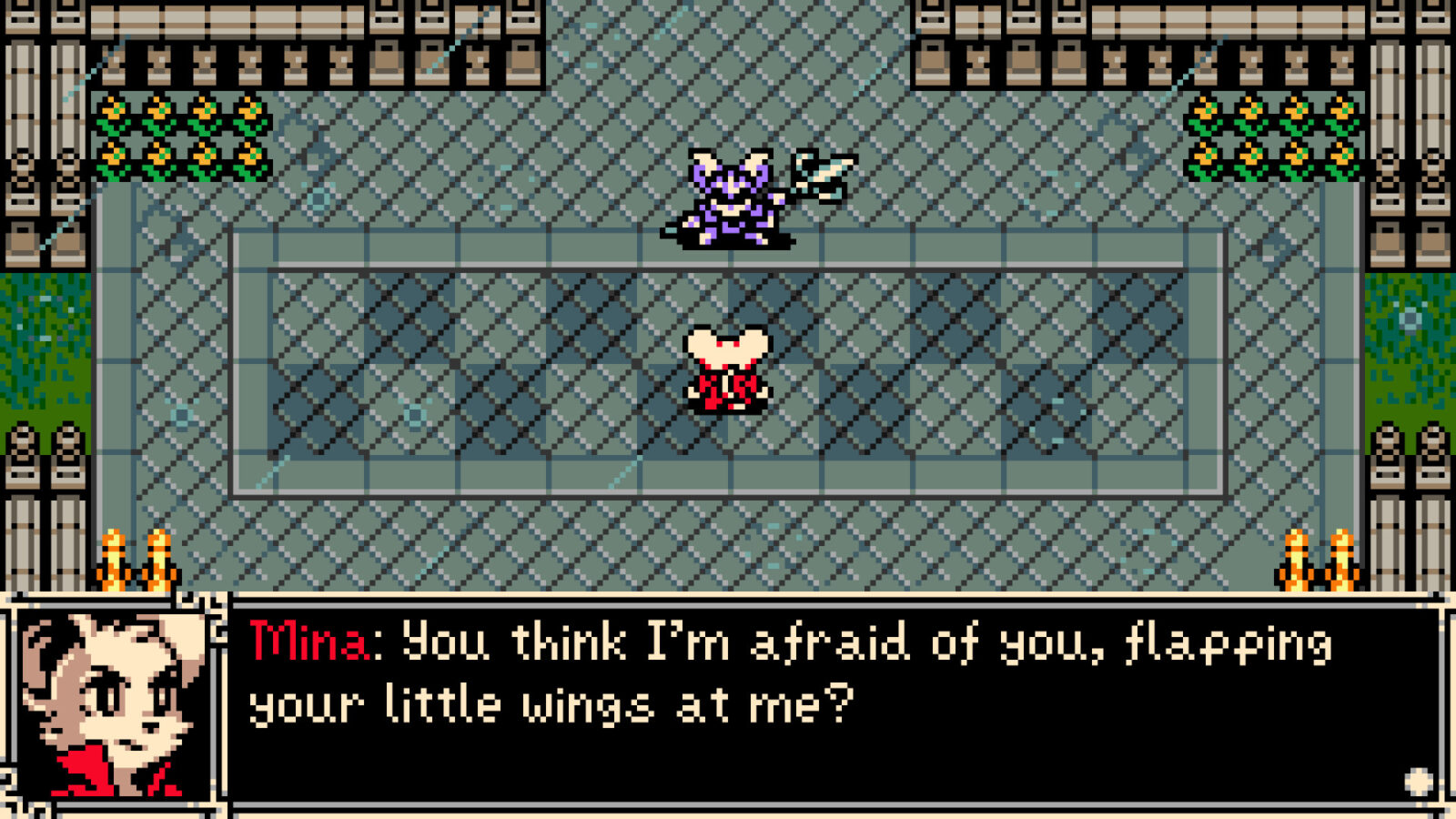
The replayability factor is exceptional, with New Game+ modes introducing twists like reduced save points that ramp up the tension while carrying over your progress. I found myself diving back in immediately after credits rolled, hunting for missed collectibles and testing wild Trinket combinations I overlooked the first time. It is the rare game that respects your time while still offering layers upon layers for completionists and casual fans alike.
Verdict
Mina the Hollower is a triumphant example of how retro aesthetics can house deeply modern, richly layered gameplay that resonates on both emotional and mechanical levels. Yacht Club Games has delivered an adventure that burrows its way into your heart and mind, blending nostalgia with innovation in a package that feels essential for any fan of thoughtful action-RPGs. It is not just a great game—it is a reminder of the pure joy found in exploring mysterious worlds where every secret and skillful maneuver carries weight. If you have even a passing interest in clever combat, atmospheric storytelling, or open-ended discovery, this one deserves a prime spot in your library. It stands as a big-hearted achievement in a small-scale format, proving once again that passion and creativity outshine sheer production scale every single time.