TL;DR: The Bear Season 5 delivers a heartfelt, high-pressure finale that perfectly balances kitchen chaos with emotional depth, giving its beloved characters a worthy sendoff while reminding us why we fell in love with this scrappy Chicago crew in the first place. A near-perfect last course that leaves you full but wanting just one more bite.
The Bear season 5
Hulu’s chaotic culinary saga has always felt like stepping into a pressure-cooker RPG where every decision risks wiping the save file. In its fifth and final season, The Bear turns up the heat one last time, delivering a closing chapter that somehow manages to be both deeply satisfying and quietly devastating. What began as a scrappy neighborhood sandwich shop saga has evolved into something far richer—a meditation on grief, ambition, family (found and blood), and the brutal poetry of running a kitchen that doubles as a battlefield for the soul.
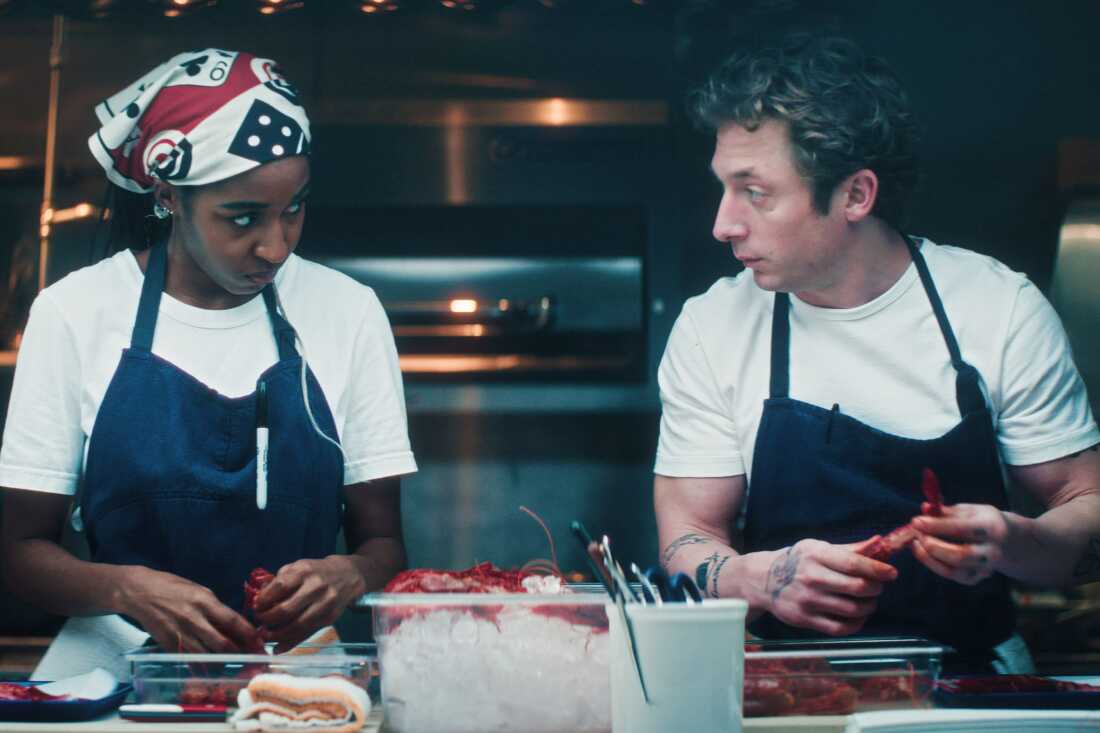
As someone who’s binged through every chaotic service alongside Carmy and the crew, I can tell you this season feels like the payoff after countless side quests and hidden lore drops. Jeremy Allen White continues to deliver a masterclass as Carmen “Carmy” Berzatto, that tightly wound chef whose genius is matched only by his self-sabotage. He’s less a character and more a walking stress response at this point, yet White somehow makes you root for him even when he’s burning bridges faster than a flaming flambé. The supporting cast, led by the endlessly compelling Ayo Edebiri as Sydney, brings their A-game too. Their dynamic crackles with the kind of unspoken tension that makes great television addictive—like watching two prodigies trying to sync up in the middle of a raid boss fight while the rest of the party is yelling in comms.
What elevates this final season beyond mere kitchen drama is how it leans into the messy humanity of it all. The show has never shied away from trauma—Michael’s suicide still echoes through every episode like a ghost haunting the walk-in—but here it feels processed with genuine care. Flashbacks and quiet moments of reflection weave through the high-stakes services, turning what could have been another season of yelling into something almost therapeutic. You feel the weight of legacy, the terror of change, and the strange comfort of found family pushing through.
There’s a beautiful rhythm to how the series handles growth. Characters who started as walking archetypes have deepened into fully realized people with their own scars and aspirations. Sydney’s journey toward owning her brilliance while navigating Carmy’s chaos is particularly rewarding. It’s the kind of character work that reminds you why we fall in love with long-form storytelling in the first place—it mirrors the slow grind of real personal development, complete with backslides, breakthroughs, and the occasional kitchen meltdown that forces everyone to level up.
The production itself remains impeccably tuned. Tight, handheld camerawork drops you right into the frenzy of service, making you feel the heat from the burners and the anxiety in every ticket. Sound design is another standout; the clatter of pans, the sizzle of proteins, and those sudden drops into silence create an almost symphonic tension. It’s filmmaking that understands rhythm like a great DJ or a veteran game director who knows exactly when to pull back for emotional breathing room.
One of the smartest moves this season makes is embracing the reality of endings. Restaurants close. Shows end. Life moves on whether we’re ready or not. The Bear doesn’t cheat its way to a tidy resolution. Instead, it lets the characters—and by extension, us—sit with the complicated feelings that come with closing a chapter. There are moments of pure triumph, sure, but they’re earned through struggle and laced with the knowledge that nothing gold can stay.
The writing team deserves massive credit for resisting the temptation to go full soap opera while still delivering plenty of drama. Relationships evolve in ways that feel authentic rather than convenient. Old wounds get poked, new possibilities emerge, and through it all runs this undercurrent of hope that maybe, just maybe, the team can find a way to make their dreams sustainable without destroying themselves in the process. It’s the kind of nuanced exploration of work-life balance, mental health, and creative fulfillment that resonates far beyond the restaurant world.
Geek culture has plenty of stories about ragtag crews coming together to pull off the impossible—think Firefly’s found family in space or the X-Men learning to trust each other despite their baggage. The Bear Season 5 feels like it belongs in that pantheon, just with more knife skills and fewer laser guns. It’s comfort food that challenges you, fast food that rewards patience, and fine dining that never forgets its blue-collar roots.
Visually and thematically, the season ties together years of loose threads while still leaving room for imagination. The Chicago setting pulses with life, from gritty back alleys to gleaming new ambitions. Supporting players who could have easily been background noise get their moments to shine, adding layers to the ensemble that make the whole operation feel alive and breathing.
What lingers most after the credits roll is the sense of having witnessed something real. In an era where so much television chases spectacle, The Bear reminds us that the most compelling stories are often the ones rooted in the everyday grind—the relationships forged in fire, the small victories snatched from chaos, and the courage it takes to keep showing up even when the odds are stacked against you.
This final season doesn’t just stick the landing; it elevates the entire series to something truly special. It’s a love letter to the creative process, to second chances, and to the beautiful mess of trying to build something meaningful in a world that often feels designed to tear it all down.
Verdict
The Bear Season 5 serves up a masterful conclusion that honors everything that made the show special while pushing its characters—and its audience—toward growth in deeply satisfying ways. It’s television that matters, executed with heart, precision, and just the right amount of controlled chaos.