

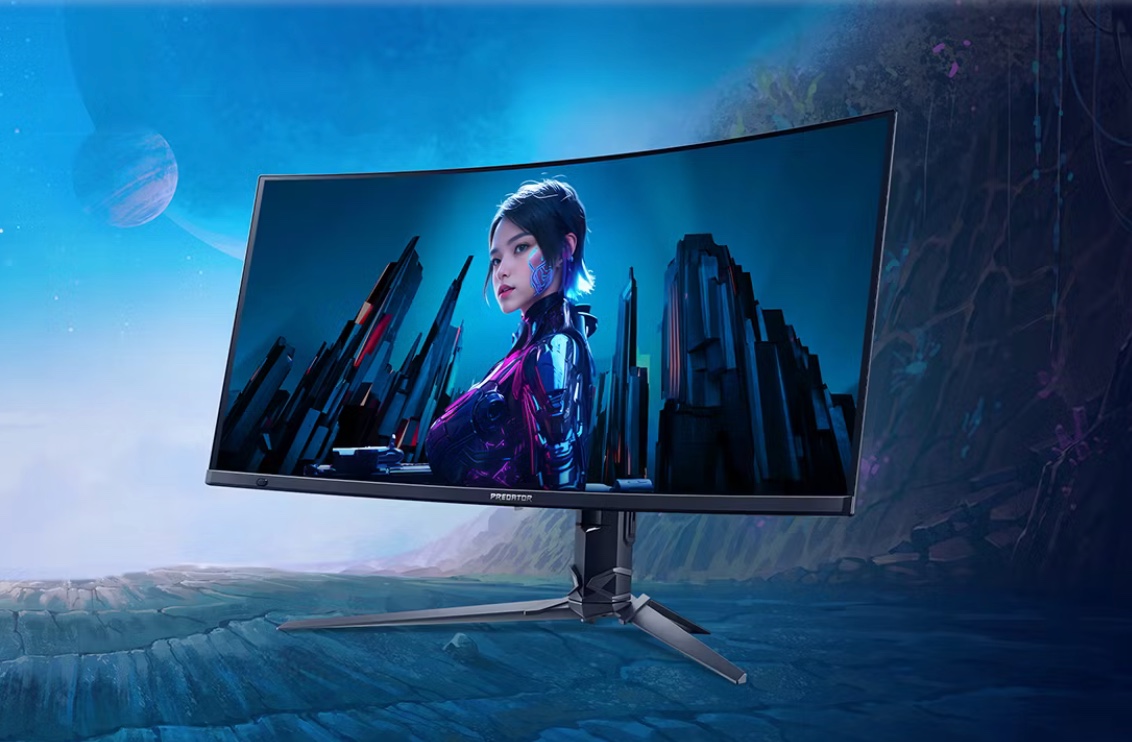
Acer has expanded its gaming monitor range with a fresh set of Predator and Nitro models that lean into high resolution, elevated refresh rates, and selective use of 3D conversion. The lineup arrives at a moment when display makers continue to chase higher frame rates and sharper panels, often trading off practical considerations such as price, power draw, and long-term panel reliability for headline numbers.
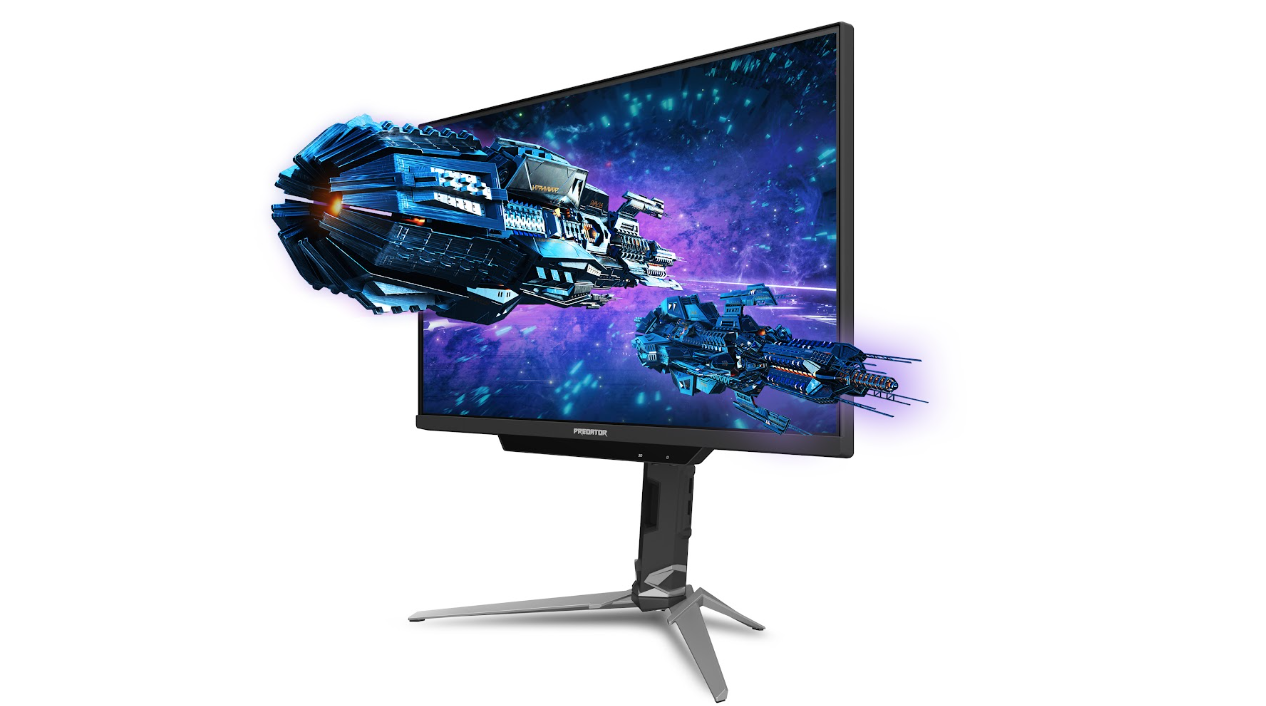
The 27-inch Predator XB273K 3D stands out for its attempt to convert ordinary 2D games into stereoscopic images through eye-tracking and an onboard AI model that taps the connected graphics card. It runs at 4K and 180 Hz, supports both AMD FreeSync Premium and NVIDIA G-SYNC Compatible modes, and includes a companion SpatialLabs 3D Hub application for adjusting depth settings and accessing a limited selection of native 3D titles. Similar glasses-free 3D approaches have appeared before, most notably in earlier NVIDIA experiments and a handful of laptop screens, yet they have rarely moved beyond niche use because of viewing-angle restrictions and content scarcity. Whether this iteration overcomes those constraints remains an open question for buyers who already own capable 2D hardware.
Competitive players receive the 34-inch Predator X34 F1, a curved QD-OLED panel at WQHD resolution that reaches 360 Hz and claims a 0.03 ms gray-to-gray response. It covers 99 percent of DCI-P3, carries VESA DisplayHDR True Black 500 certification, and employs a five-layer blue-emission structure intended to improve brightness and longevity. The 1800R curve and 21:9 aspect ratio aim to fill more of the peripheral field, a design choice that has become common among ultrawide gaming screens over the past several years. Eye-care features such as reduced blue light and flicker-free backlighting acknowledge the long sessions typical of ranked play, though OLED burn-in risk still requires careful management.
Casual users and content creators find more flexible options in the Nitro series. The 34-inch XV345CKR P pairs a 5K WUHD VA panel with Mini-LED backlighting across 1344 zones, delivering either 180 Hz at full resolution or 360 Hz at lower resolution through Dynamic Frequency and Resolution switching. The 31.5-inch XV320QX takes a similar dual-mode approach, offering 5K at 165 Hz or 330 Hz at QHD, while the 27-inch XV273U F5 pushes the concept further by allowing up to 1000 Hz at HD resolution alongside a native 540 Hz QHD mode. All three support FreeSync Premium or G-SYNC Compatible operation and advertise color coverage near 95 percent DCI-P3. These DFR implementations echo earlier variable-resolution techniques seen in some high-end panels, giving users a practical way to prioritize either detail or speed without swapping hardware.
Across the range Acer has standardized tear-free adaptive sync support, a sensible baseline given how widespread the technology has become. The monitors collectively reflect the industry’s current emphasis on stacking resolution, refresh rate, and specialized panel tech rather than introducing entirely new form factors. Buyers will need to weigh the real-world benefit of features such as AI-driven 3D conversion or extreme HD refresh rates against cost, software support, and whether their systems can actually feed those pixels at the advertised speeds.