

TL;DR: The HUAWEI WATCH GT 7 combines seriously long claimed battery life with a bright AMOLED display, offline maps, deep fitness tracking and increasingly useful health insights. Some automated wellness interpretations deserve scepticism and the app ecosystem isn’t enormous, but Huawei’s battery-first approach makes an awful lot of sense.
Smartwatches have spent years trying to become tiny smartphones for my wrist, complete with apps, notifications and enough charging anxiety to make me wonder whether analogue watches had the right idea all along. The HUAWEI WATCH GT 7 takes a different route. It still handles the smartwatch basics, but its priorities are clearly fitness, health, outdoor activity and the increasingly rebellious concept of not needing a charger every other night.
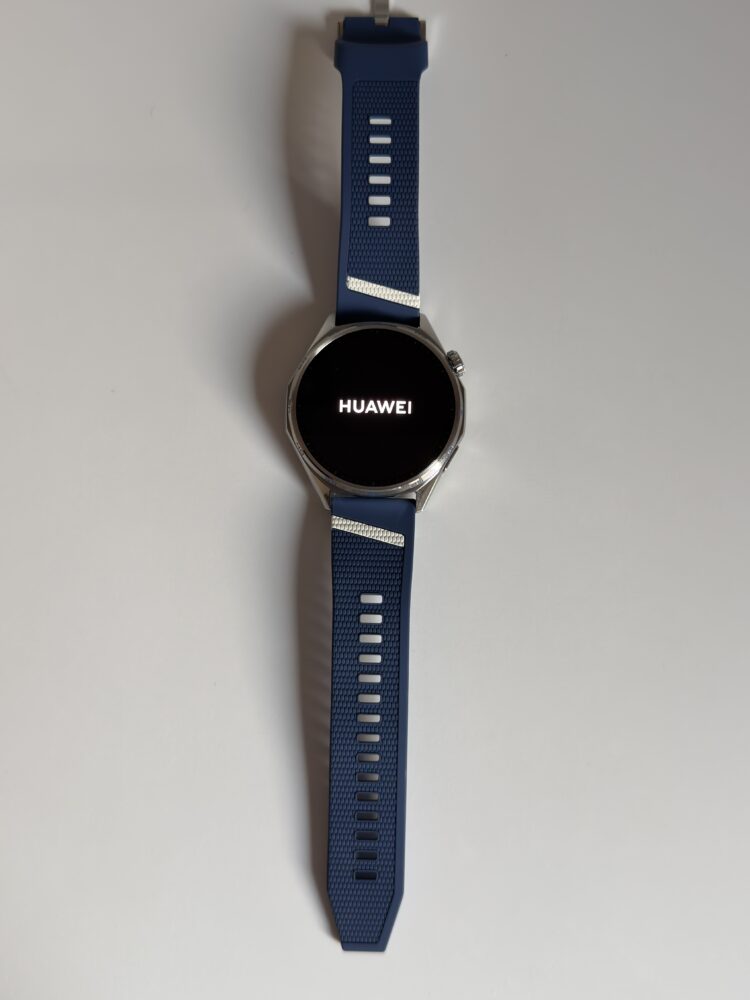
The battery figures immediately explain the appeal. The 46 mm WATCH GT 7 is rated for up to 21 days of light use and 12 days of typical use, while the smaller 41 mm model is rated for up to 14 and seven days respectively. Add a bright AMOLED display, advanced cycling tools, offline maps, deeper running metrics, Physical Readiness, extensive health monitoring and more than 110 workout modes, and I get a smartwatch that seems considerably more interested in accompanying me outside than becoming another miniature app drawer.
It actually looks like something I’d want on my wrist
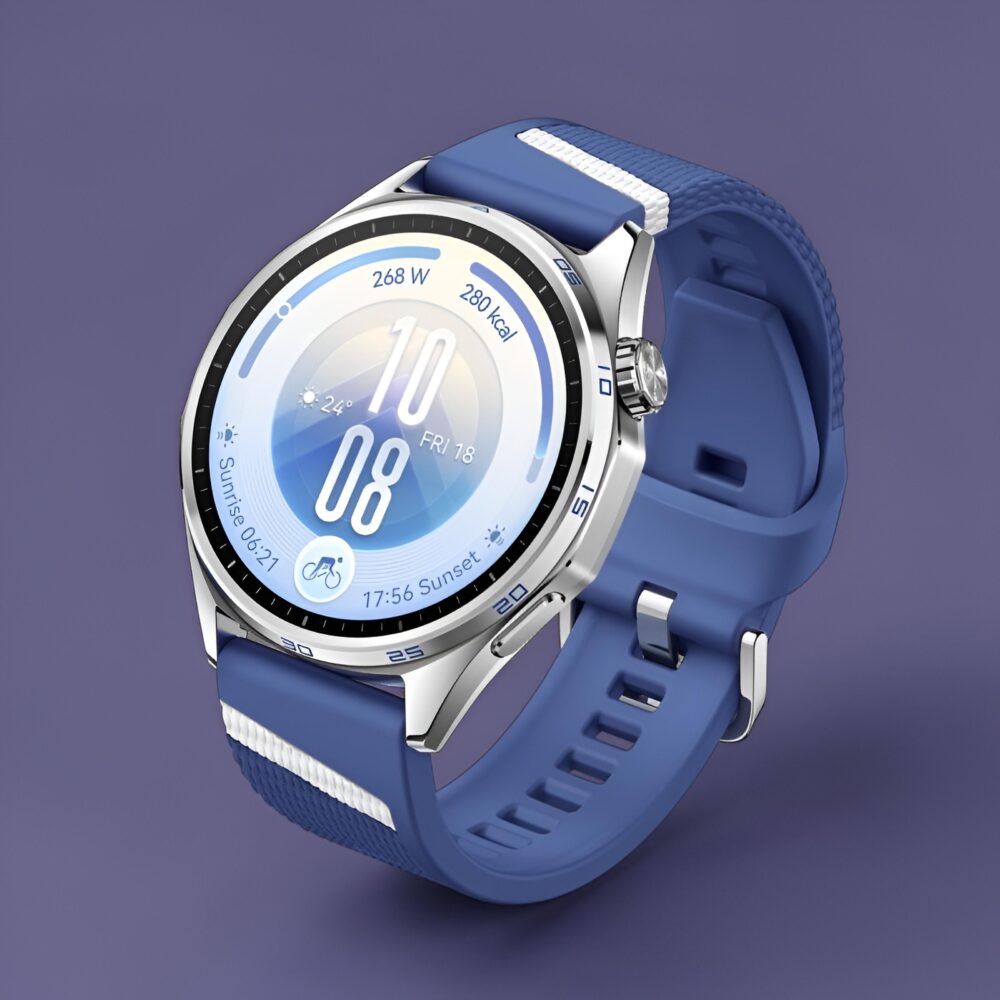
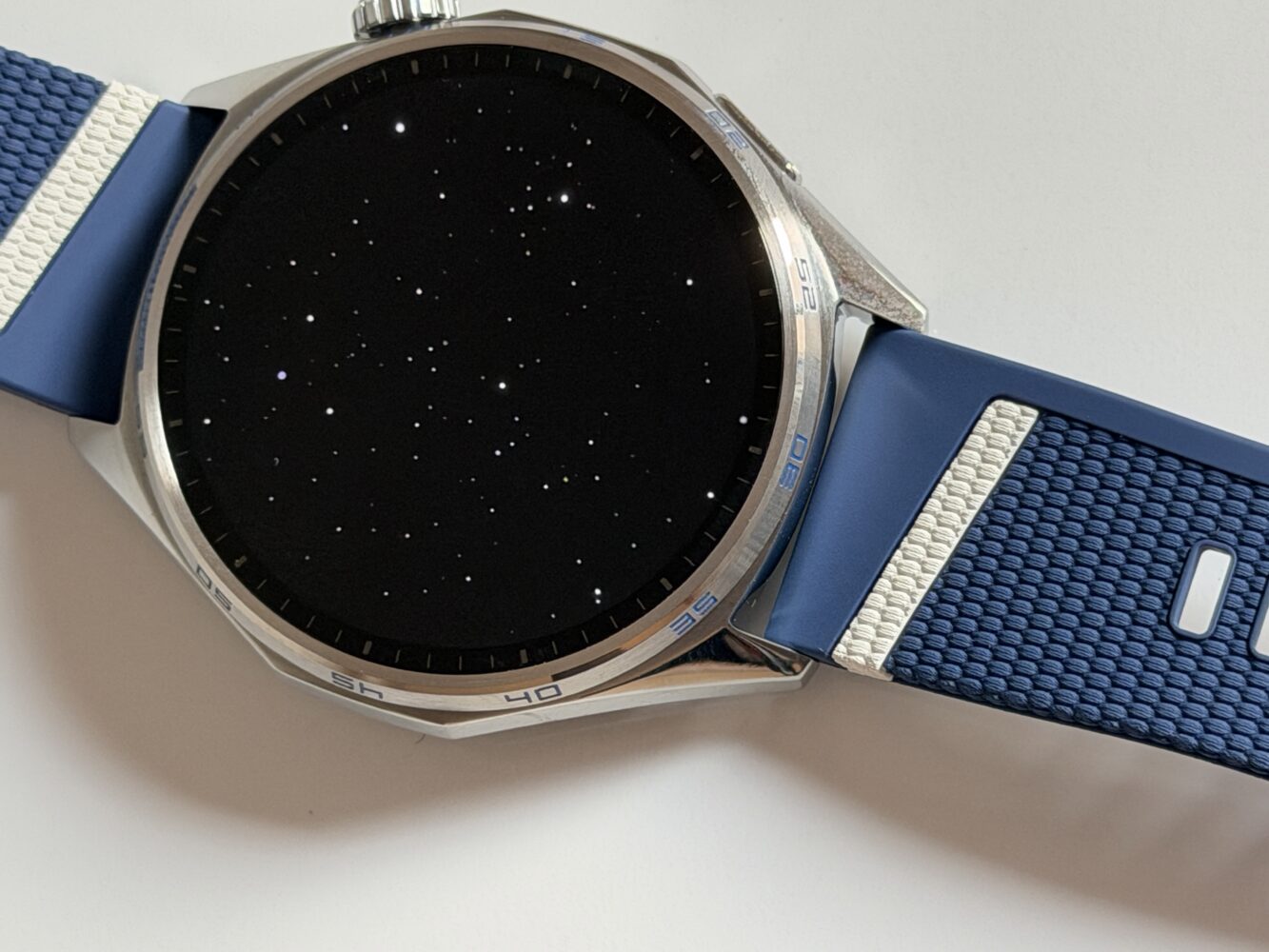
I like that the WATCH GT 7 still looks fundamentally like a watch. Huawei sticks with the circular design and offers 46 mm and 41 mm sizes, with different colours and strap combinations depending on the version. The smaller model uses a 1.32-inch AMOLED panel with a 466 x 466 resolution, while brightness reaches a claimed 3,000 nits. Independent testing of that version also found the screen remained clearly readable in direct sunlight, which is far more meaningful to me than winning some theoretical smartwatch brightness boss battle.
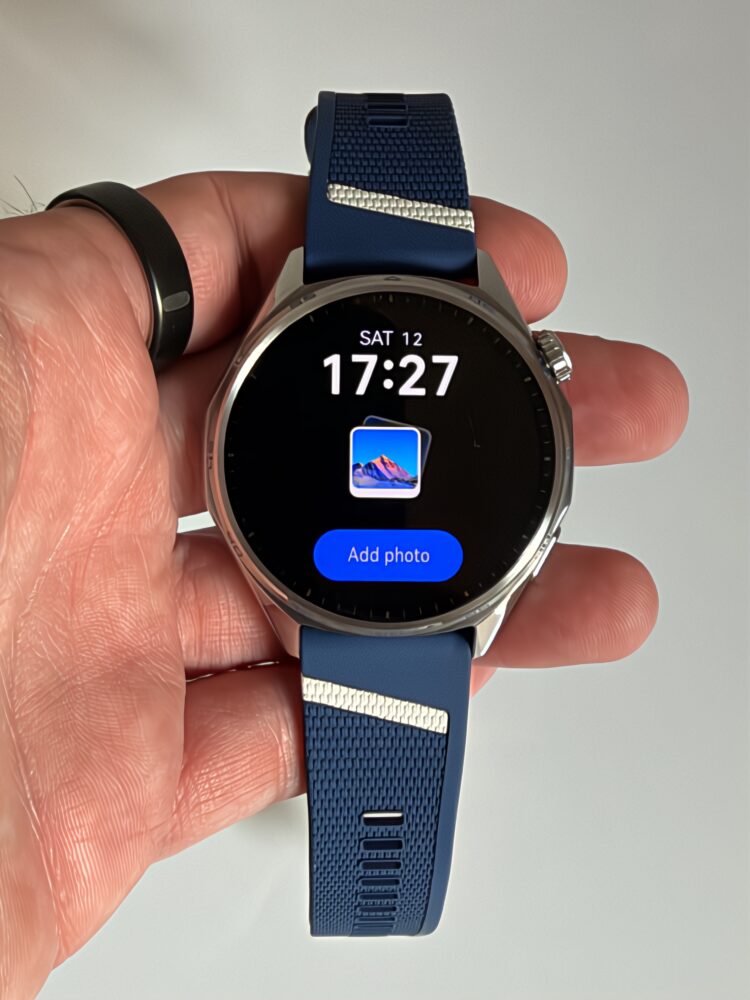
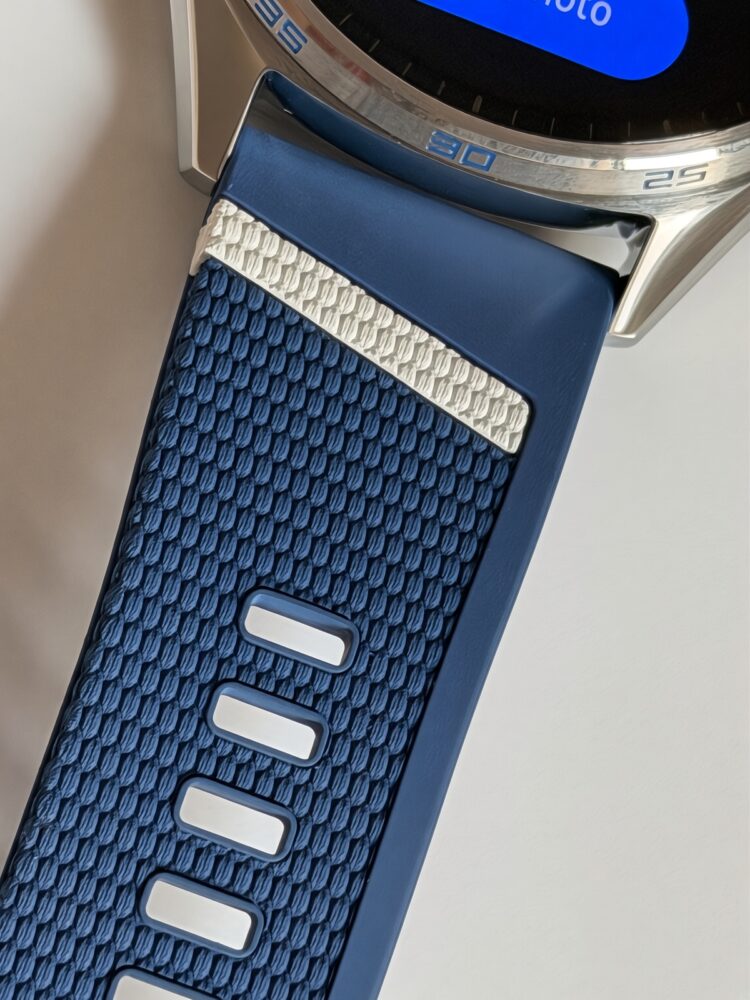
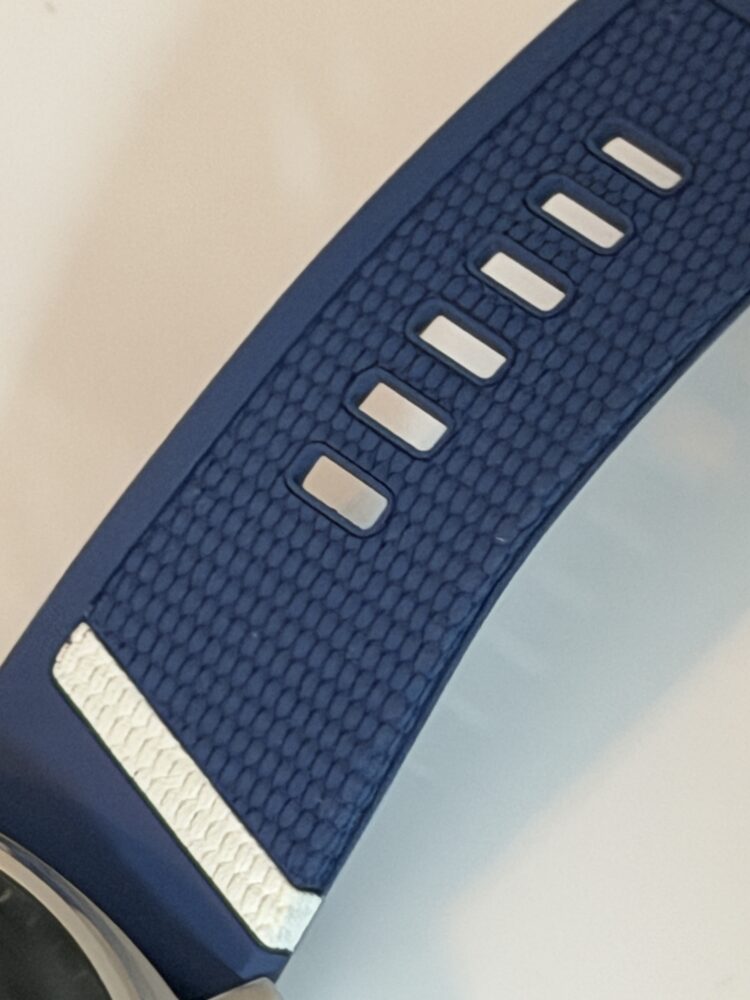
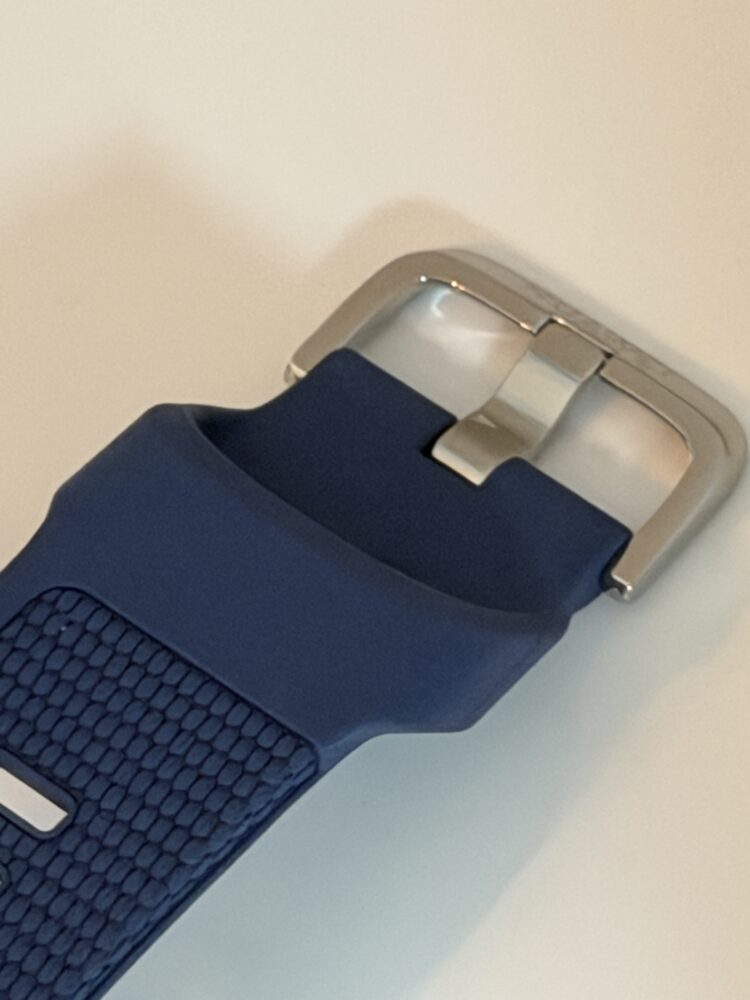
Physical controls combine the touchscreen with a rotating crown and additional function button, an arrangement I generally prefer to navigating everything through tiny swipe gestures. There’s also a clever EasyCross design on the compatible fluoroelastomer strap, where the excess band tucks underneath rather than hanging around looking for sleeves and gym equipment to attack. One thing worth noting is that the 41 mm version can appear larger on the wrist than that number suggests because of the case shape and extended lugs. Smaller doesn’t necessarily mean dainty.
The battery numbers are mildly ridiculous
Battery endurance remains the WATCH GT series’ superpower. The 46 mm WATCH GT 7 is rated for up to 21 days under light usage, 12 days of typical usage and seven days with the always-on display enabled. The smaller 41 mm version is rated for up to 14 days, seven days and five days respectively. Those aren’t numbers I’d automatically translate into my own real-world results because GPS usage, workouts, notifications, calls, display behaviour and health monitoring can all change the equation considerably.
There is some independent testing that gives those numbers useful context. A 41 mm unit consumed 38% of its battery in just under 56 hours with the always-on display disabled while notifications, sleep monitoring, health tracking and extended outdoor tracking were being used. Charging from 30% to 100% took 65 minutes in the same test. I’m not going to extrapolate that into a magical universal runtime, but the bigger point is obvious: this is a smartwatch designed to make charging an occasional maintenance task rather than part of my nightly ritual.
The AMOLED display is built for the outdoors
The 41 mm version’s 1.32-inch AMOLED panel packs 466 x 466 pixels into a circular display, giving workout screens and everyday information plenty of resolution to work with. Peak brightness is rated at up to 3,000 nits, and independent outdoor testing found it remained easy to read under direct sunlight. That’s exactly where smartwatch display performance matters to me because stopping halfway through an activity to hunt for the correct viewing angle rather defeats the convenience of having information on my wrist.
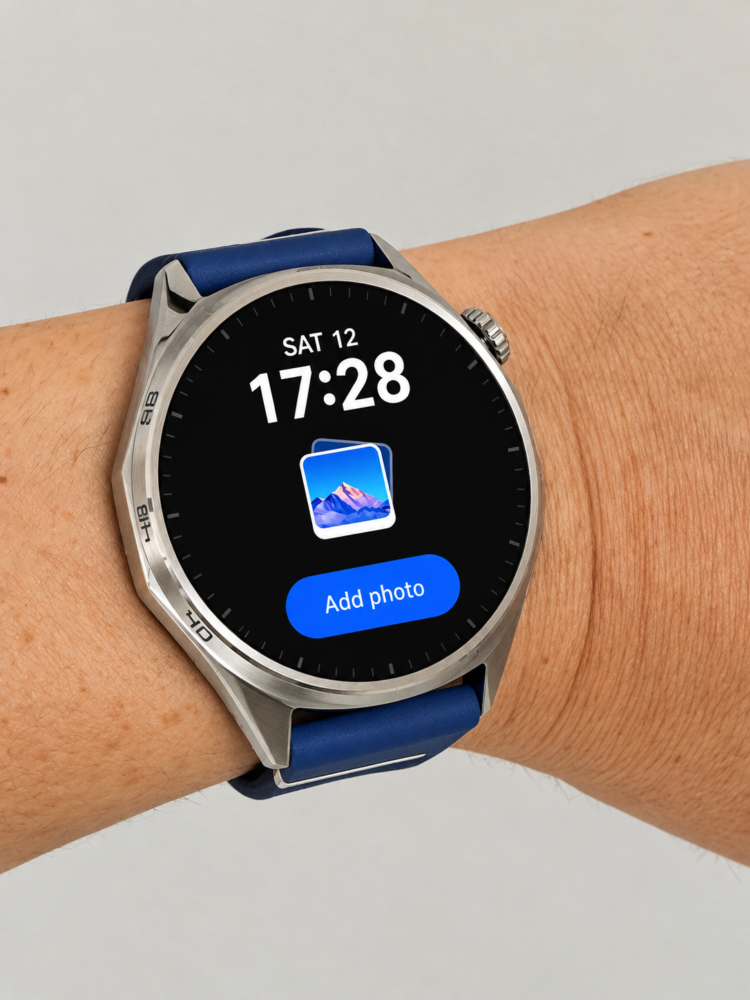
There’s an always-on display if I want the GT 7 to behave more like a conventional watch, but enabling it naturally reduces battery endurance. With AOD active, the rated figures drop to seven days on the 46 mm model and five days on the 41 mm. That’s still respectable, but I’d probably favour raise-to-wake if maximum endurance were my priority. Turning on a permanently illuminated display and then complaining about shorter battery life feels a little like enabling ray tracing and becoming personally offended by the frame-rate counter.
Cyclists get considerably more than a glorified stopwatch
Cycling is where the WATCH GT 7 starts showing its serious fitness ambitions. I can sync routes from Huawei Health before heading out, with elevation information and upcoming terrain available from the wrist. Real-time climb alerts can provide distance, elevation gain and average gradient, while sharp-turn alerts are designed to warn about approaching corners. Some functionality depends on OTA updates, but I like the philosophy here: telling me what’s about to happen is considerably more useful than showing me a beautiful graph of my suffering afterwards.
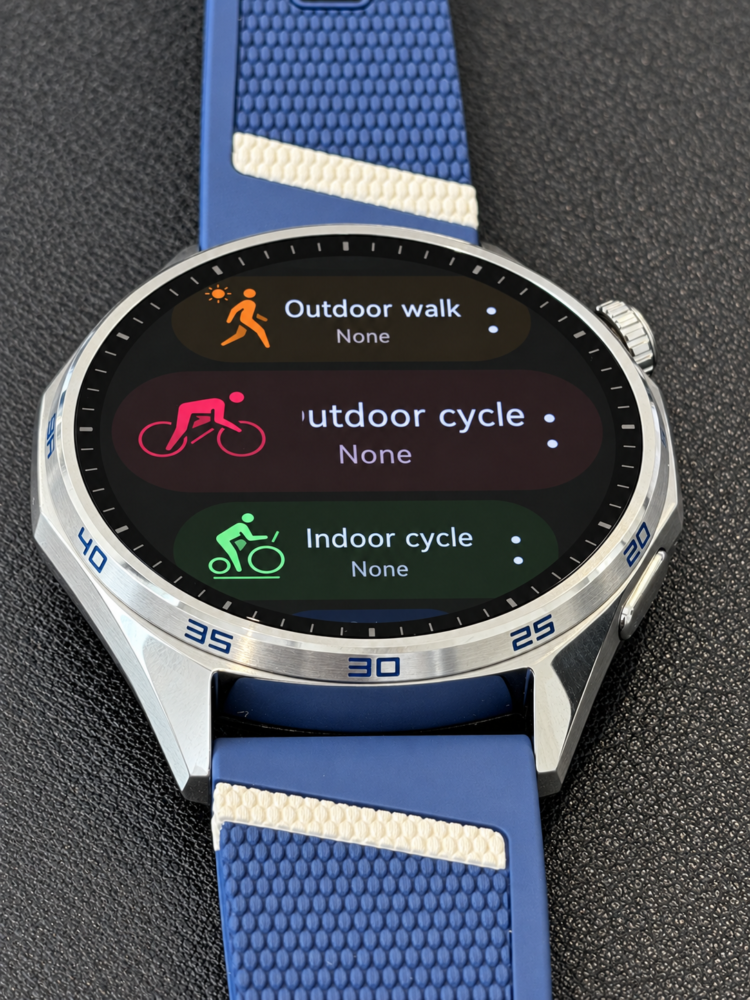
There’s climb-performance analysis after rides too, alongside AI-powered workout analysis for supported activities and markets. Indoor cycling gets some attention as well, with FTMS Bluetooth support allowing the watch to connect with compatible smart trainers, although compatibility isn’t universal. Dedicated cyclists may still want a proper bike computer, but the GT 7 isn’t merely trying to become a wrist-mounted stopwatch. There’s enough going on here that cycling feels like a properly developed part of the experience rather than another icon in a very long workout menu.
Runners get offline maps and delightfully nerdy data
Running hasn’t been left standing outside while cycling raids the feature cupboard. Offline maps can be downloaded through Huawei Health and viewed directly from the watch during supported outdoor activities, while running metrics include ground-contact-time balance, vertical oscillation and running power. That’s considerably more interesting to me than another device stopping at pace, distance and heart rate and declaring its work complete.
Positioning is handled through the Sunflower Positioning System alongside an AI-XDR algorithm, with improvements aimed at producing more accurate outdoor route tracking. Independent outdoor testing found recorded routes plausible without obvious GPS jumps or badly misplaced route segments, although that’s not enough evidence for me to declare the GPS infallible. More than 110 workout modes broaden the appeal further, while third-party apps can add specialised tracking for activities including pickleball. Apparently even my backhand can now become data.
Mini-workouts might secretly be one of its smartest ideas
For all the serious talk about cycling climbs, running power and outdoor navigation, one of the WATCH GT 7 features I find most relatable is aimed at a considerably less heroic opponent: sitting down for too long. Mini-workouts provide 30 animated movements targeting ten areas of the body, offering quick bursts of activity that can fit into an otherwise sedentary day. Wheelchair mode also removes movements considered unsuitable, which makes the feature more thoughtfully adaptable.
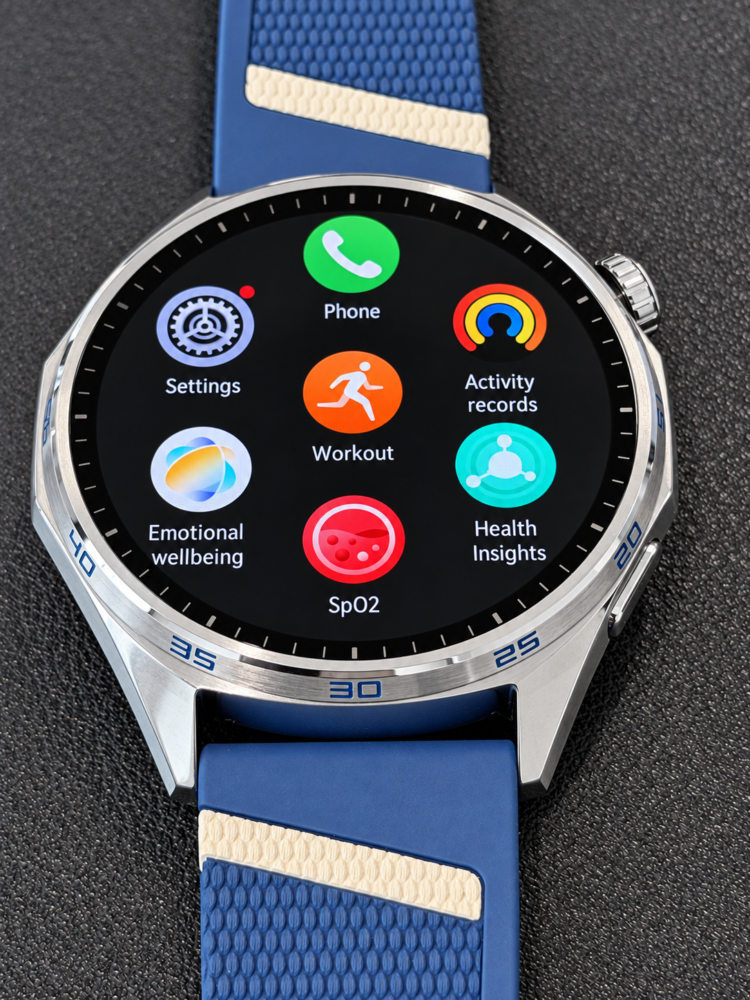
There’s some gamification involved too, with movement helping unlock watch faces featuring city landmarks. Essentially, I’ve reached the stage where standing up and moving my joints can earn achievements, and as somebody raised on games that reward collecting 100 completely pointless objects, I understand the psychology perfectly. More importantly, mini-workouts strike me as the sort of fitness feature normal people might actually use instead of discovering once, nodding approvingly and never opening again.
Sleep tracking feels more useful when the data connects
TruSleep 5.0 analyses sleep architecture and stability, while HRV information feeds into the broader recovery picture. During independent testing, recorded sleep and wake times broadly matched the tester’s real sleeping pattern, including consistently late bedtimes. Individual sleep stages weren’t validated against clinical equipment, so I wouldn’t treat every minute of REM or deep sleep as sacred truth carved into digital stone.
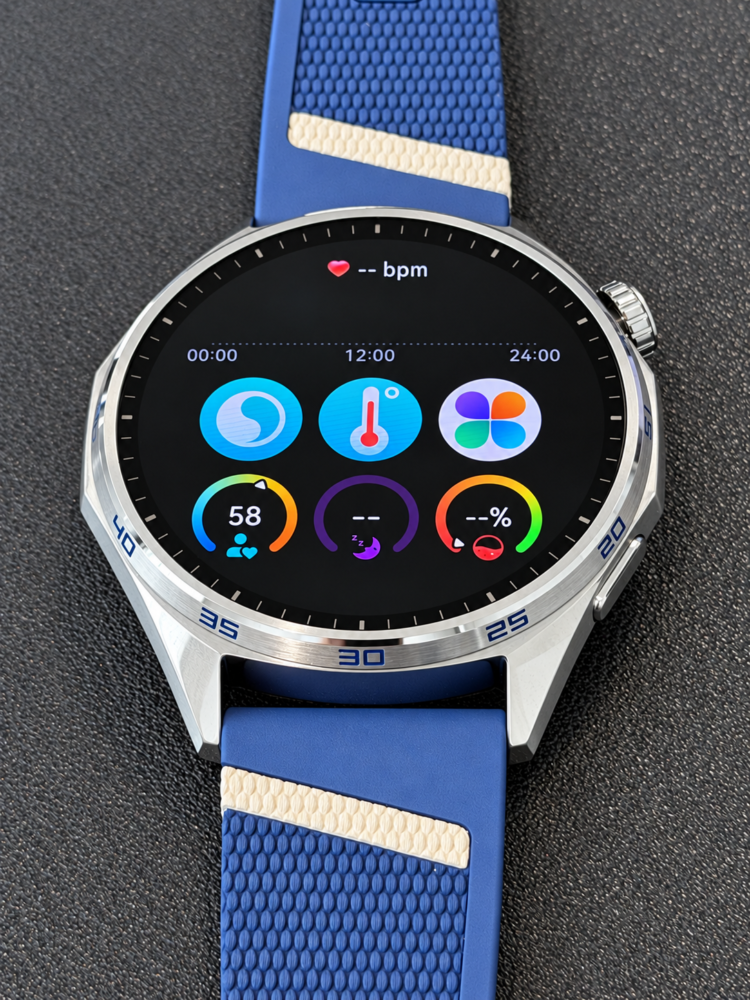
What interests me more is the relationship between sleep and the rest of the health experience. If poor or irregular sleep starts influencing readiness and broader recommendations, the information becomes more actionable than another morning score I’m expected to admire before forgetting about it. That’s ultimately what I want from health tracking: fewer isolated numbers and more useful context.
The everyday smartwatch stuff hasn’t been forgotten
Away from exercise, I still get the everyday functionality I’d expect from a smartwatch. The WATCH GT 7 supports Bluetooth calling when connected to a compatible phone through Huawei Health, alongside notifications, weather information, temperature and UV data. There’s also a built-in voice recorder, which I genuinely like as an idea because brilliant thoughts inevitably arrive at precisely the moment getting my phone out is inconvenient.
Compatibility covers Android 9.0 or later and iOS 13.0 or later, although individual features can vary depending on phone, operating system and market. The app ecosystem isn’t as extensive as something like Wear OS, and that matters if installing lots of third-party wrist apps is central to how I use a smartwatch. Personally, the GT 7 proposition makes more sense when I think of it as a fitness-and-health watch with useful smart features rather than a tiny smartphone desperate to live on my arm.
Water-resistant doesn’t mean Poseidon approved
The WATCH GT 7 carries 5 ATM water resistance under ISO 22810:2010 alongside an IP69 rating under IEC 60529:2013. That’s reassuring for an active wearable, but neither badge grants me permission to recreate Aquaman. The watch isn’t intended for scuba diving, free diving or other diving activities, and 5 ATM absolutely doesn’t mean I can descend 50 metres and start casually checking notifications.
Verdict
The HUAWEI WATCH GT 7 is the kind of smartwatch I find easy to appreciate because it isn’t desperately trying to replace my phone. Its headline battery endurance remains the star attraction, with up to 21 days of light use quoted for the 46 mm model, but there’s considerably more substance behind that number now. Offline maps, deeper running metrics, serious cycling features, a bright AMOLED display, Physical Readiness and extensive health tracking turn the GT 7 into a genuinely ambitious fitness wearable rather than simply a battery champion with a pretty watch face.
It’s not perfect. Some features depend on updates and regional availability, automatic health interpretations deserve a healthy amount of scepticism, and anyone wanting a massive smartwatch app ecosystem may find the software experience restrictive. But for someone who wants fitness tracking, navigation, health insights and potentially weeks rather than hours between charger visits, the WATCH GT 7 makes a convincing argument. My phone, laptop, earbuds, controller and toothbrush are already fighting over wall sockets; my watch doesn’t need to join them.