
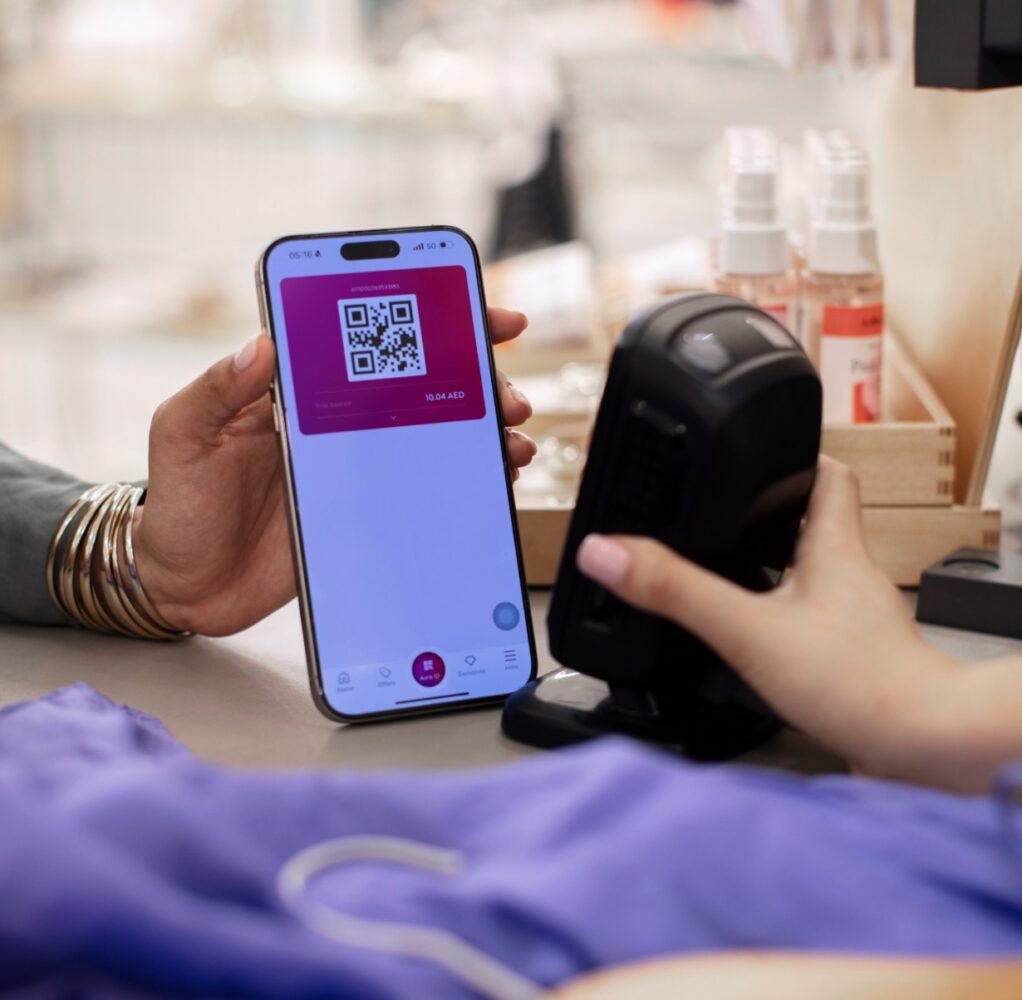
Alshaya Group has introduced Aura Pass, a UAE-exclusive upgrade to its Aura loyalty programme that offers members 30 percent savings on full-price items across more than 30 participating brands. Available through the Aura app for a one-time fee of AED 199, the pass targets existing and new members in the country, with registration open from 17 June to 5 July 2026 and benefits running until the end of the year.
Participating retailers include familiar names such as Starbucks, H&M, Victoria’s Secret, Ulta Beauty, Shake Shack, Foot Locker, and Chipotle, among others. At Primark, members receive double Aura points on purchases. The initiative bundles discounts and rewards across fashion, beauty, food, and lifestyle categories into a single upgrade, applied automatically via the existing app once purchased.
This move comes as retailers seek to strengthen customer retention in a competitive market. Launched in 2022, Aura has grown to more than eight million members regionally and earned recognition at the International Loyalty Awards. Yet many loyalty schemes face criticism for delivering modest value after initial sign-up, often requiring sustained spending to offset fees or restrictions. Aura Pass limits savings to full-price items, with exclusions likely spelled out in the terms, meaning promotional or already discounted goods may not qualify. The fixed AED 199 cost could prove worthwhile for frequent shoppers across multiple brands but might feel less compelling for occasional visitors or those focused on specific outlets.

Alshaya Group, a long-established family-owned business with roots in Kuwait since 1890, operates thousands of stores and digital properties across the Middle East, Turkey, and Europe. Its portfolio spans fashion, food service, health and beauty, and entertainment, giving the company scale to bundle offers in this way. The Aura Pass forms part of a series of UAE-focused efforts, including local partnerships and community activities intended to reflect the region’s diversity and ambitions.
For customers in Dubai and elsewhere in the UAE, the pass simplifies access to savings without needing separate cards or apps per brand. Joining involves downloading or opening the Aura app, registering during the window, paying the fee, and immediately using the benefits. This approach acknowledges the everyday realities of shopping, where convenience and tangible discounts matter more than aspirational branding.
Still, the real test lies in execution. Loyalty programmes thrive when they build genuine habit rather than one-off transactions, and the limited validity period may encourage short-term spending spikes rather than lasting engagement. Broader retail trends show consumers increasingly weighing fees against actual savings, especially amid economic pressures. Alshaya’s initiative provides a straightforward incentive for its ecosystem, yet its value ultimately depends on individual shopping patterns and how readily the discounts apply in practice.
As part of ongoing customer engagement, such programmes highlight the retail sector’s shift toward data-driven personalization, though they also underscore persistent challenges in delivering consistent, meaningful rewards beyond headline percentages.