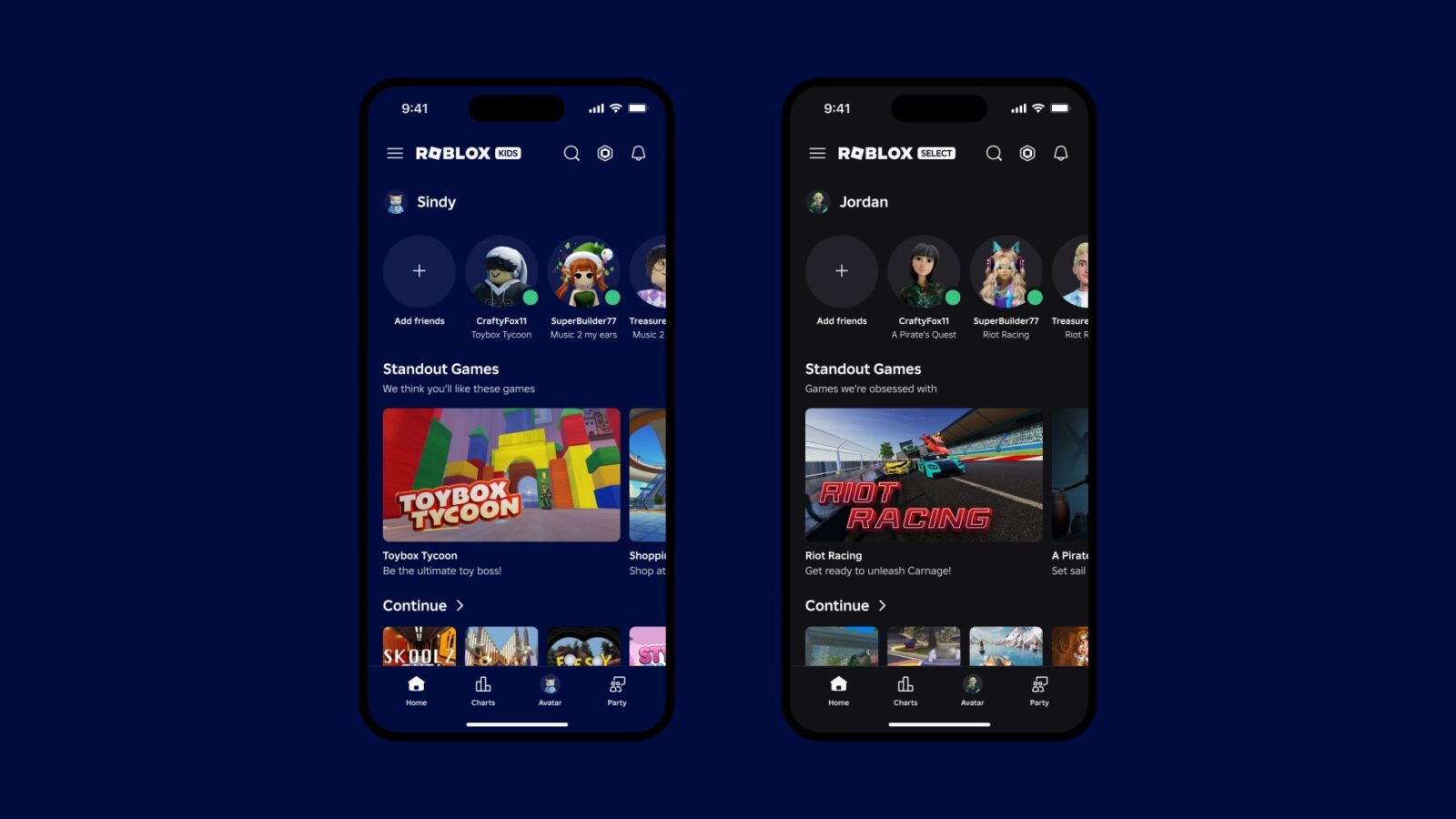
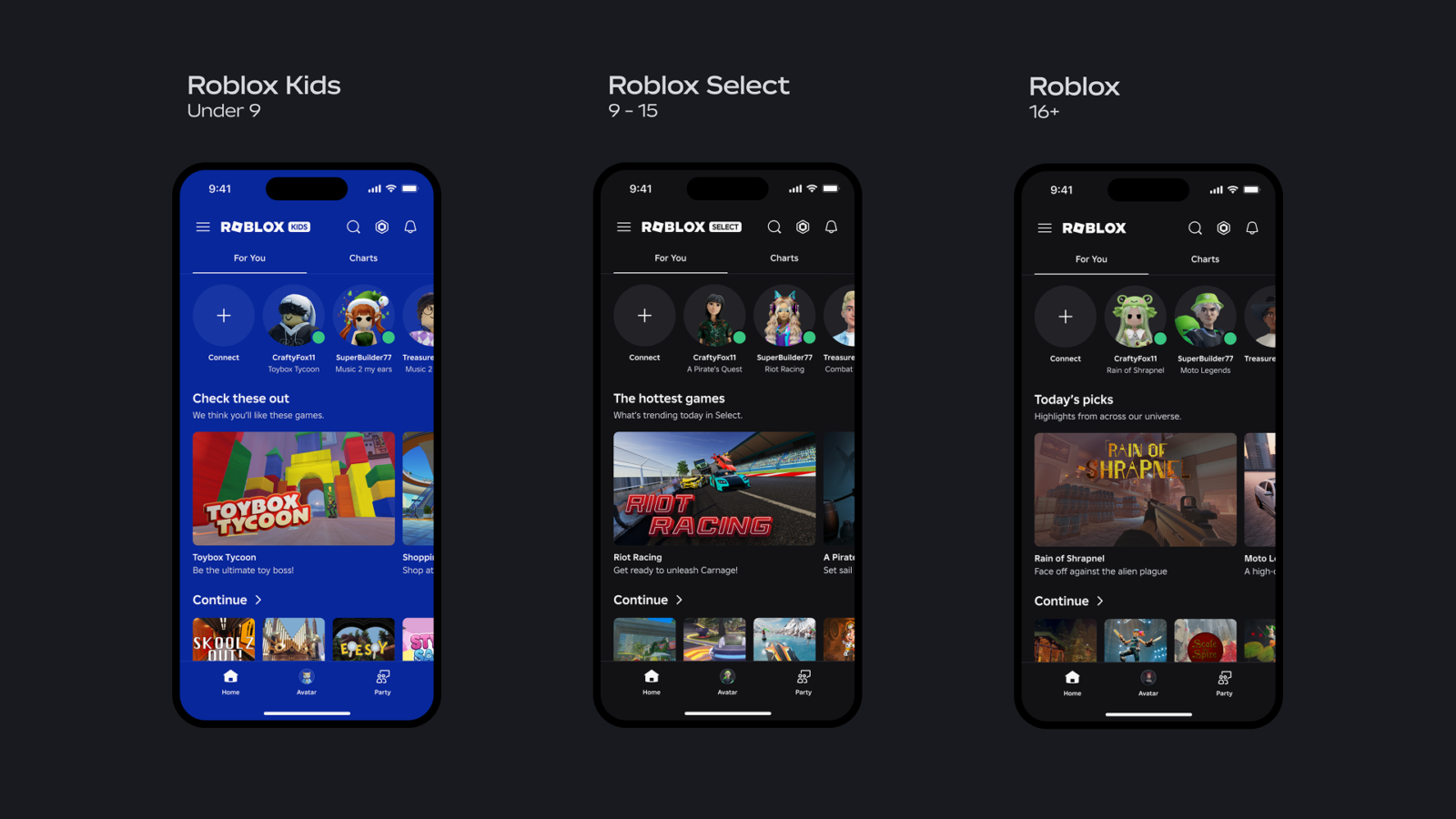
Roblox has rolled out its new age-based account system worldwide, introducing Roblox Kids and Roblox Select accounts for users under 16. The changes aim to tailor protections to different stages of childhood while expanding parental oversight, following a limited test in countries including Australia, Indonesia, the Netherlands, and New Zealand.
The platform automatically assigns accounts using its age verification processes. Younger users, particularly those aged 5 to 8 in Roblox Kids accounts, face the strictest defaults: access limited to games with minimal or mild content ratings that have undergone extra scrutiny, with chat disabled by default. For ages 9 to 15, Roblox Select accounts open up to moderate-rated titles, though chat availability depends on age, region, and other safeguards. In much of the Middle East, chat remains off for all users regardless of age. Both tiers exclude games with sensitive themes, social hubs, or unstructured creative tools like free drawing, backed by additional developer checks and real-time moderation.
This setup builds on Roblox’s previous steps toward age-appropriate experiences, such as requiring facial age estimation for chat access. Users progress automatically—shifting from Kids to Select at 9, and to full accounts at 16—reflecting the idea that needs evolve with maturity. Parents linked to child accounts gain visibility into activity, friends, and spending, with new options for granular game blocking, chat management until age 16, and approving specific titles outside default limits. These tools arrive amid broader industry pressure to address risks in user-generated platforms where children interact freely.
Critics have long pointed out challenges in online gaming environments, where moderation struggles against creative user content and evolving threats. Roblox’s approach attempts to balance access with safety by curating catalogs and layering controls, yet it relies heavily on accurate age checks and parental engagement, which not all families maintain consistently. The company also plans to stop younger users from sharing or viewing social links across profiles and pages later this month, and it will adopt the International Age Rating Coalition standards later in the year for more standardized content labeling.
For now, most existing games remain playable for verified younger users, while experiences for those 16 and older stay the same. Unverified accounts will lose access to standard features and chat once the rollout completes. Regional variations persist, particularly around communication tools.
The initiative highlights ongoing tensions in digital spaces: providing creative freedom while mitigating harms that have drawn regulatory scrutiny globally. Parents may appreciate the added transparency, but effectiveness will depend on implementation and how well the system adapts to real-world usage patterns rather than ideal scenarios. As children spend more time in immersive online worlds, such evolving controls represent a necessary but imperfect response to platform scale.
Roblox Kids and Roblox Select accounts mark a structured attempt to grow protections alongside users, yet they underscore the persistent difficulties of ensuring safety in expansive, community-driven gaming platforms.