

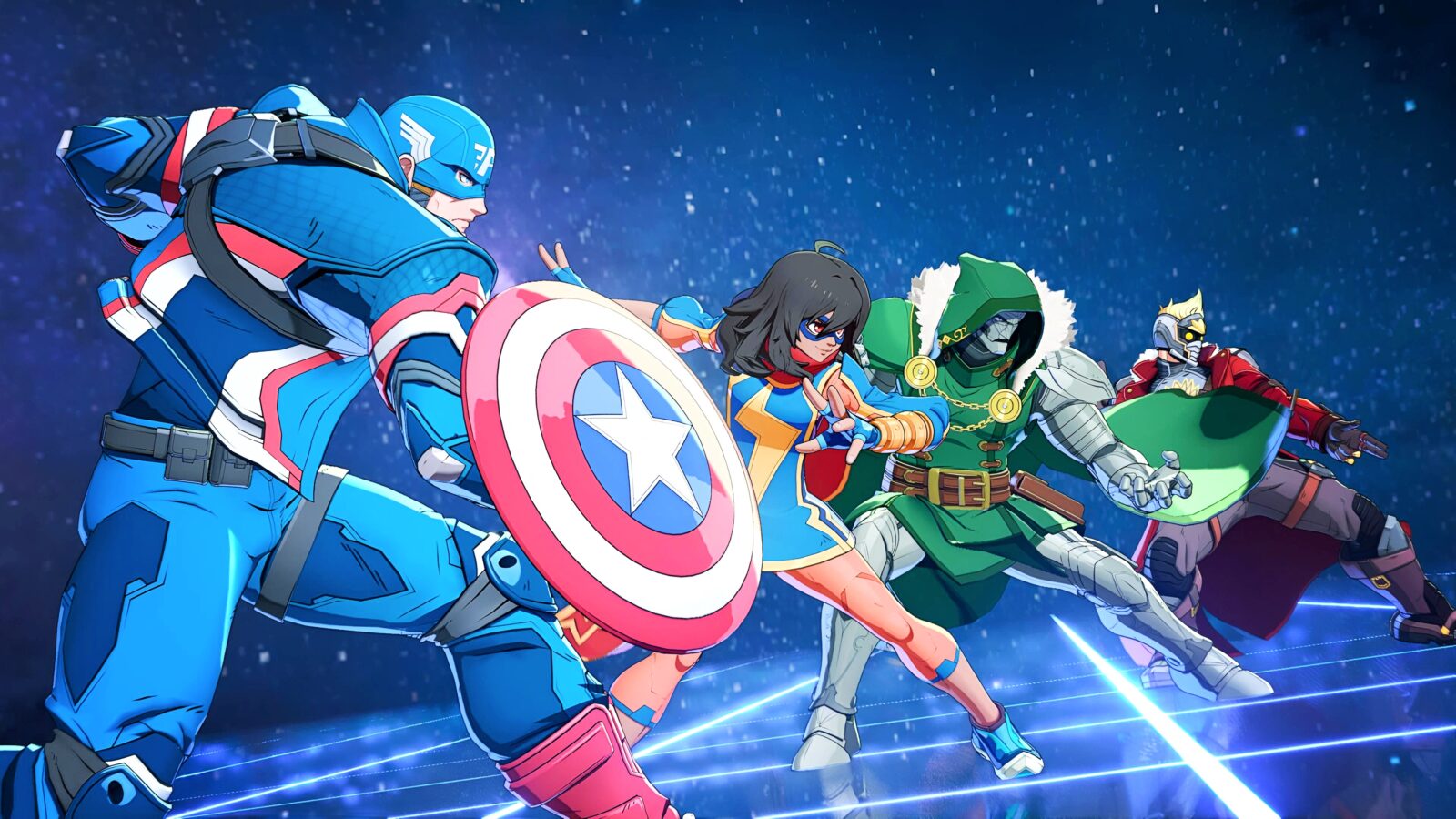
TL;DR: Marvel Tokon: Fighting Souls turns 4v4 superhero chaos into a surprisingly approachable and remarkably deep fighter, backed by fantastic character design, superb training tools and worthwhile solo content. Occasional visual clutter and some online friction cannot stop this from being one of Arc System Works’ most complete fighting games.
Marvel Tokon: Fighting Souls
There is a particular kind of danger attached to making a Marvel fighting game. The characters arrive carrying decades of history, players already know exactly how Spider-Man should move, what Magneto should feel like when he owns the screen, and how ridiculous Deadpool is legally permitted to become before someone confiscates his swords. Then there is the fighting-game problem: accessibility and depth are usually treated like opposing forces, especially in tag fighters where learning several characters can feel like enrolling in a university course with more frame data. Marvel Tokon: Fighting Souls tackles both challenges with remarkable confidence. Arc System Works has built something immediately spectacular, but beneath the explosions, assists and superhero theatrics sits an unusually thoughtful fighting game designed to let players grow into its complexity rather than be crushed underneath it.
Four heroes, one health bar and a smarter approach to tag fighting
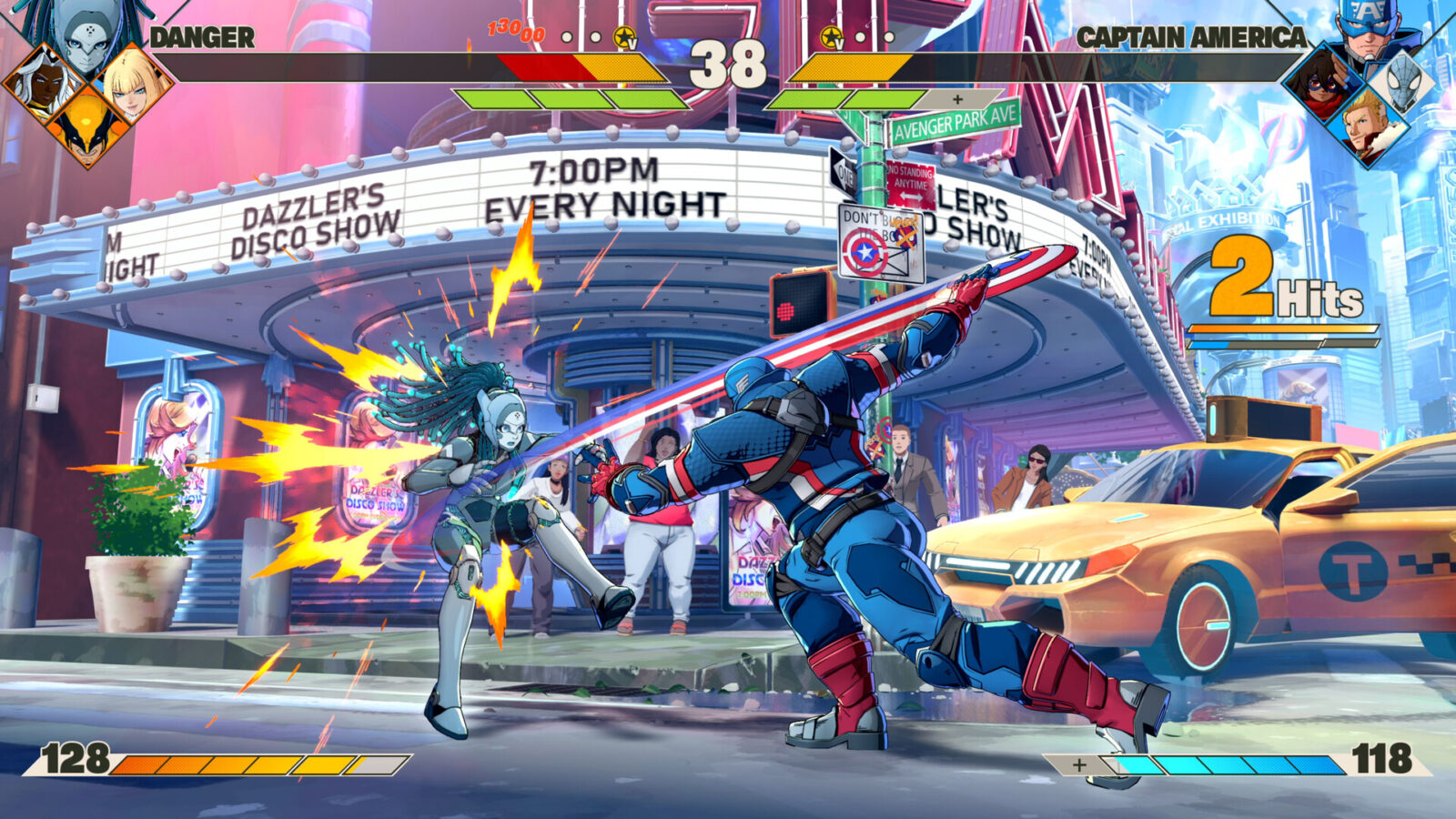
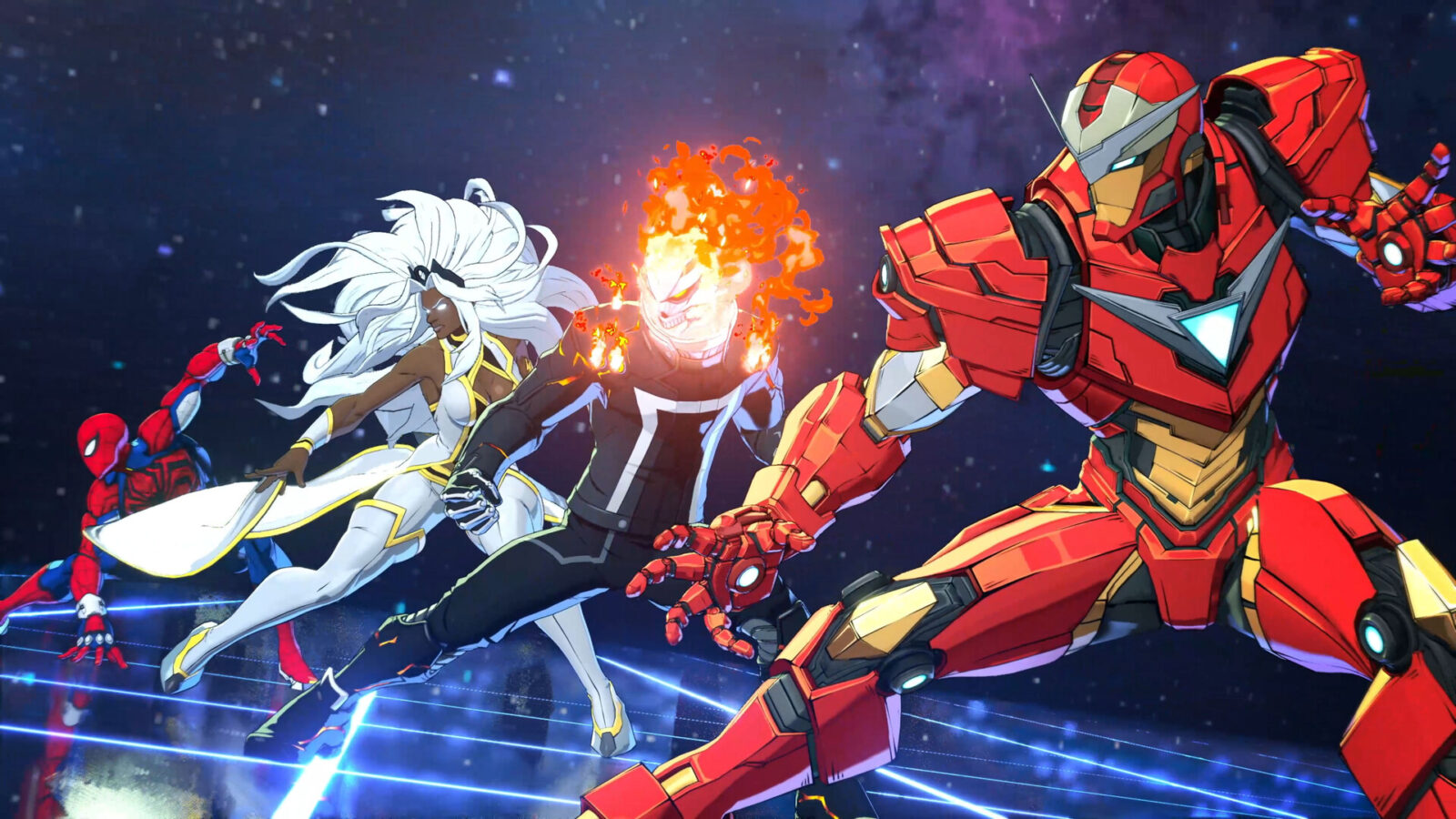
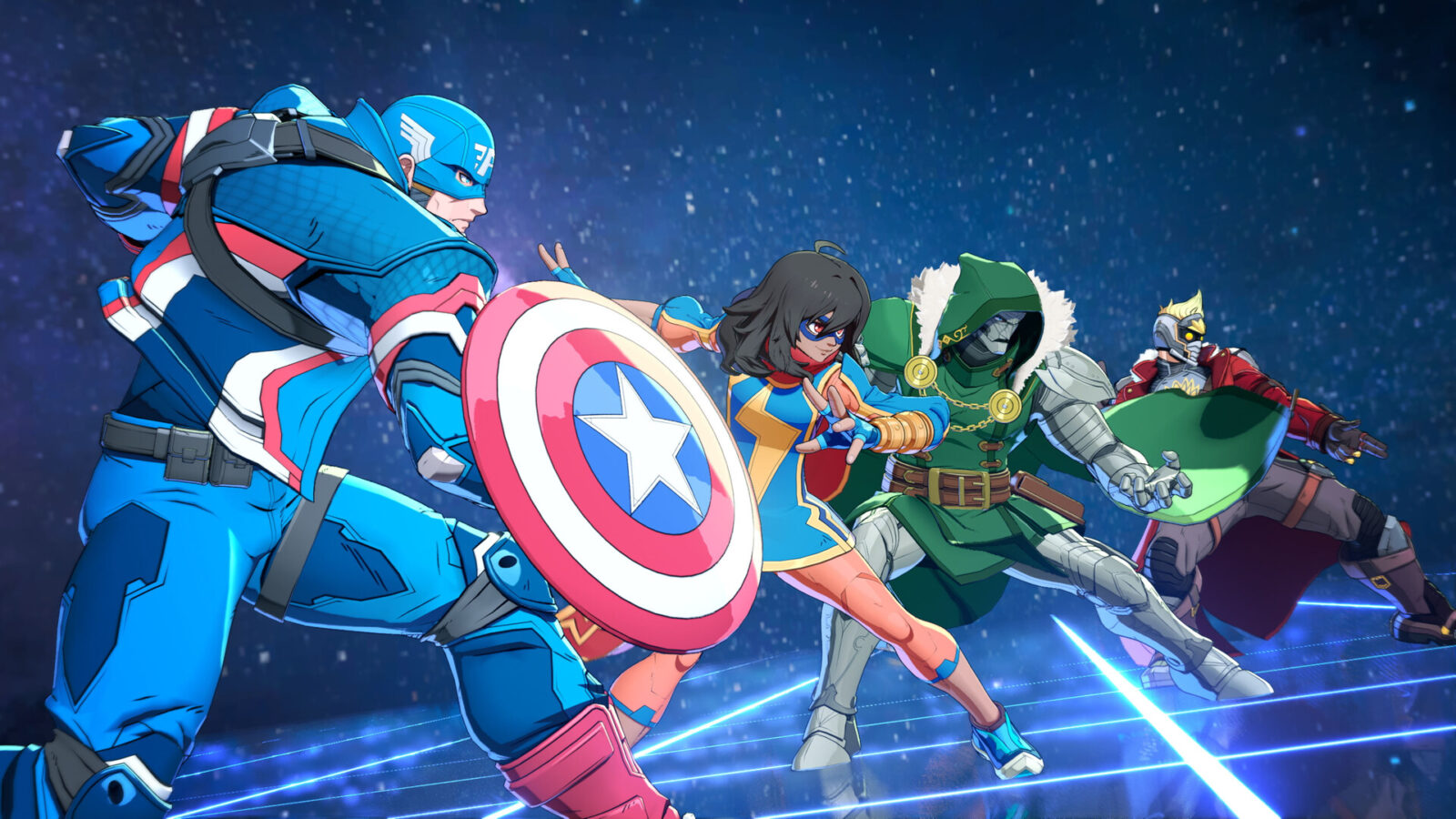
Marvel Tokon: Fighting Souls advertises itself as a 4v4 fighter, which sounds borderline irresponsible until you actually understand how Arc System Works has structured the battle. Instead of giving every character an individual health bar and turning each match into an endurance test, the entire squad shares one pool of health. That single decision dramatically changes how approachable the game feels because choosing four characters does not immediately mean mastering four complete movesets before venturing online. Your team becomes less like four separate fighters waiting for their turn and more like a modular combat system built around whichever character you understand best. It preserves the fantasy of assembling a Marvel super-team without demanding that newcomers acquire Avengers-level organizational skills before their first competitive match.
That design becomes increasingly clever the longer you play because Tokon allows your understanding of a team to develop organically. You can begin with one reliable fighter, learn their movement, pressure and basic conversions, then gradually discover how another character solves specific weaknesses. Perhaps your favourite character struggles to approach someone controlling space with projectiles, or maybe they can open opponents up but cannot convert those opportunities into particularly frightening damage. Suddenly another member of the squad stops being decorative roster furniture and becomes a tactical answer. Team construction therefore feels less like copying somebody else’s optimized lineup from the internet and more like assembling a toolkit, where each new character you understand adds another solution to situations that previously felt uncomfortable.
Marvel Tokon makes complexity something you unlock
The cleverest part of Tokon’s accessibility is that its complexity is not simply removed. Arc System Works has instead rearranged when players are expected to confront it. Matches initially provide access to only two members of each four-character team, with the remaining fighters becoming available through specific events such as particular attacks, environmental interactions or losing a round. Unlocking teammates expands both the team’s health and its available Assemble resources, meaning a match gradually becomes more mechanically elaborate as additional heroes enter the equation. It gives battles an entertaining escalation curve, almost as though the game begins as a relatively readable duel before somebody opens the superhero cupboard and everyone starts throwing increasingly expensive toys across the screen.
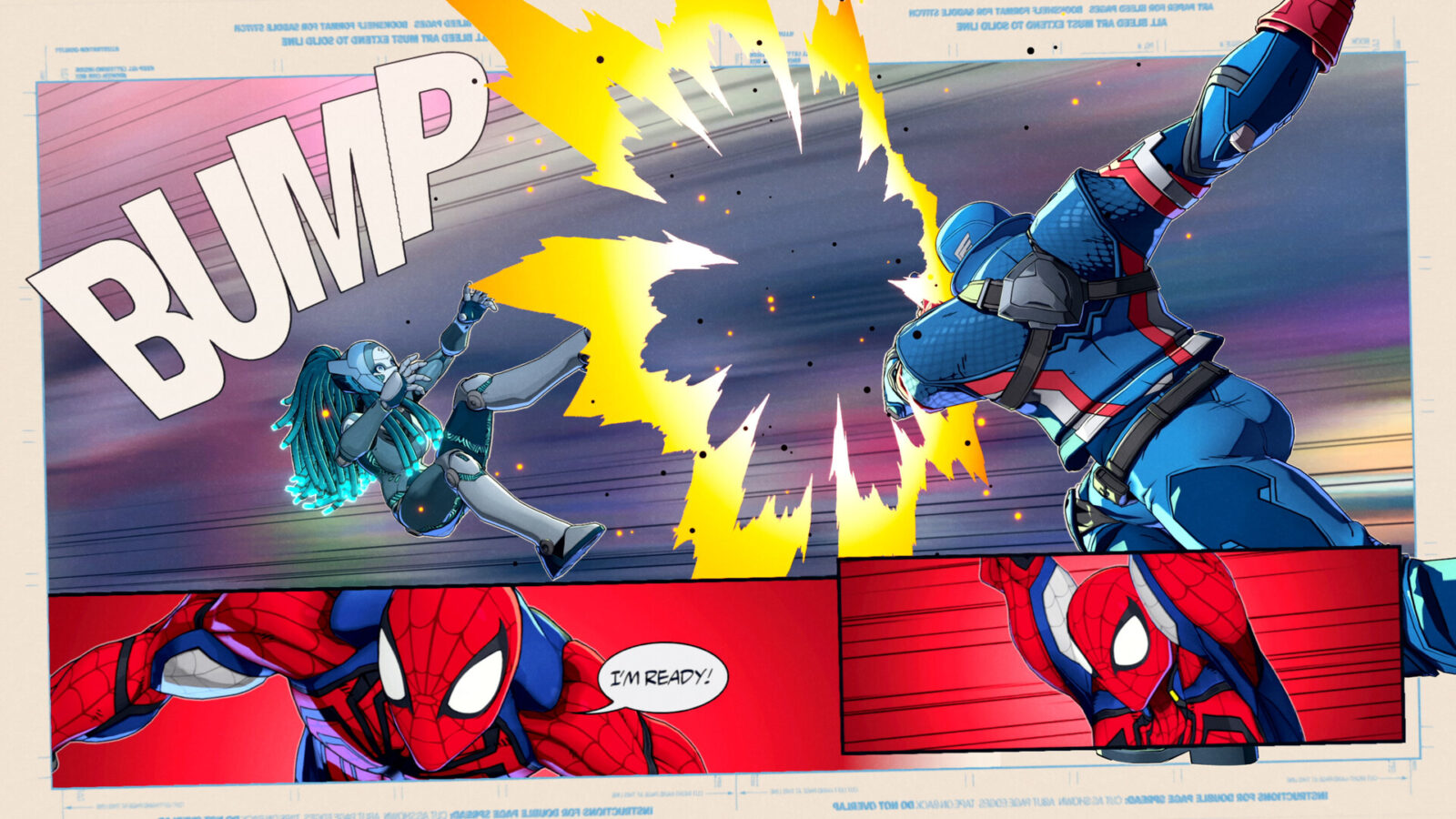
Assists are where that elegant introduction meets Tokon’s considerably more complicated competitive brain. Team positions influence the functions characters perform when summoned, with roles built around different forms of offensive or defensive coverage. Neutral assists can be called without spending resources, while assists used during attacks or pressure interact with the Assemble meter and operate according to stricter timing rules. Active tagging introduces another layer by temporarily shifting control toward the assisting character, creating opportunities for extensions, pressure sequences and carefully engineered nonsense. There are plenty of rules governing exactly when these systems work, and learning them initially feels like being handed a superhero gadget without the instruction manual. Once those rules settle into muscle memory, however, their restrictions begin to make sense.
Controlled chaos is still chaos
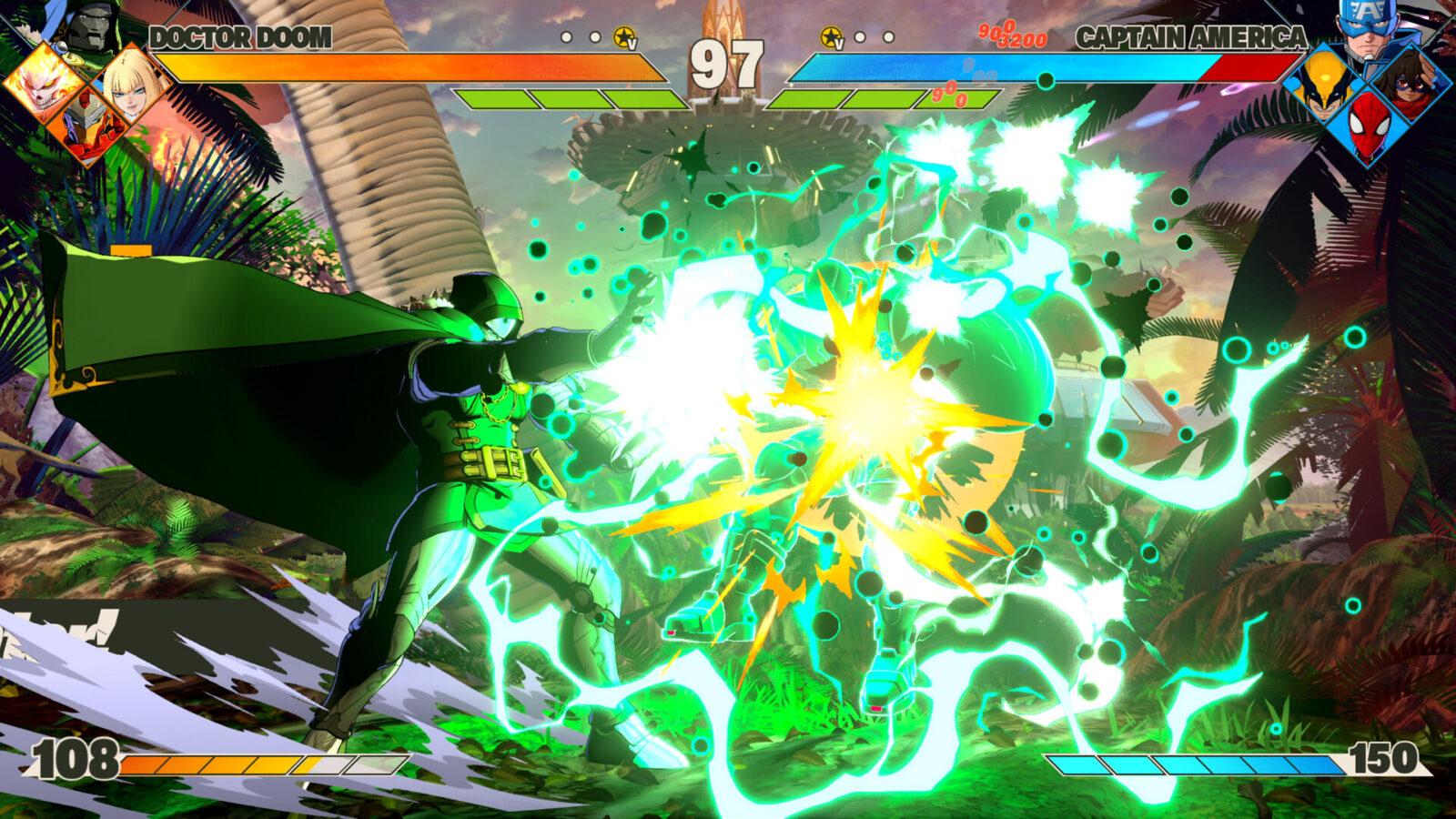
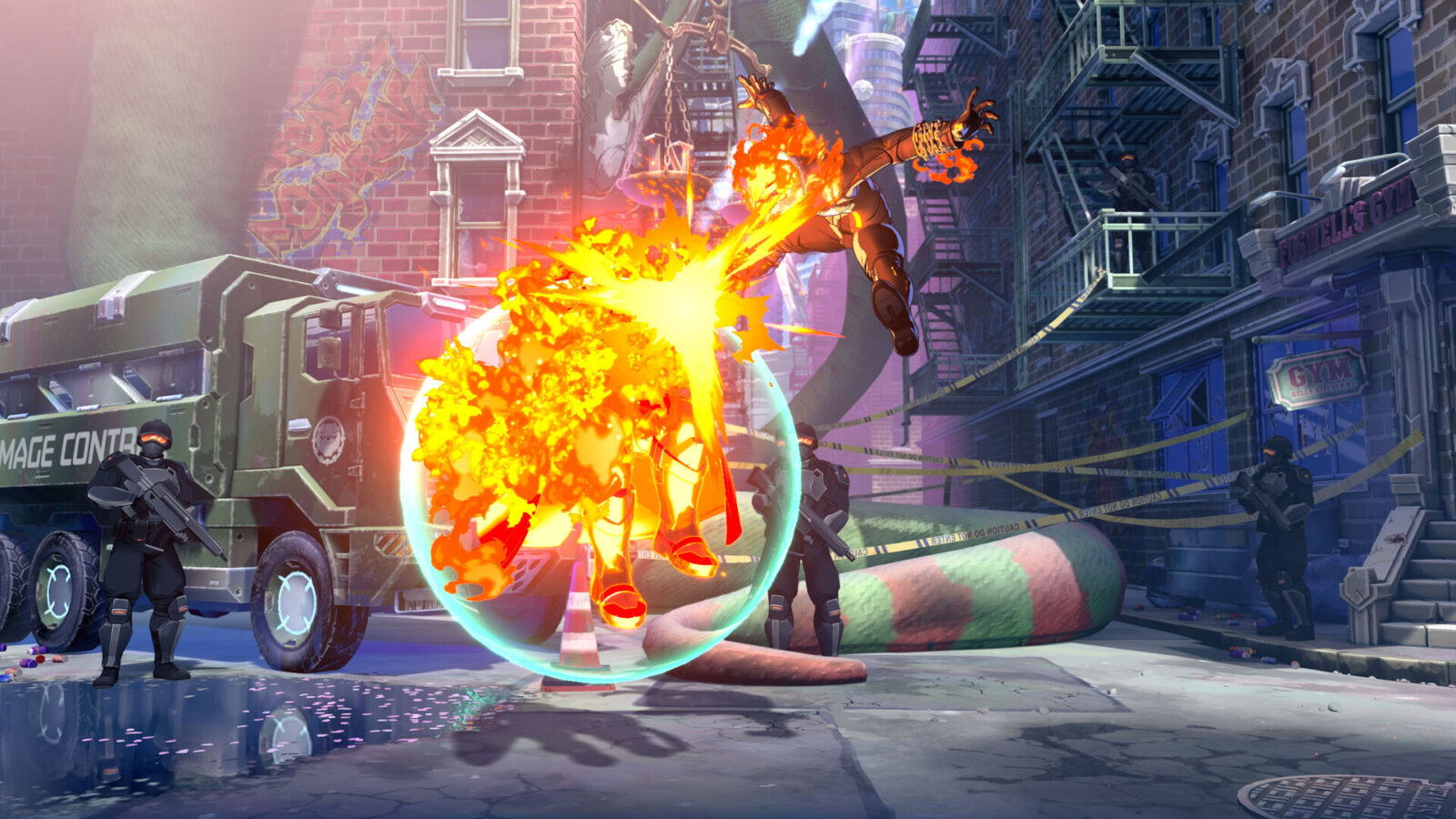
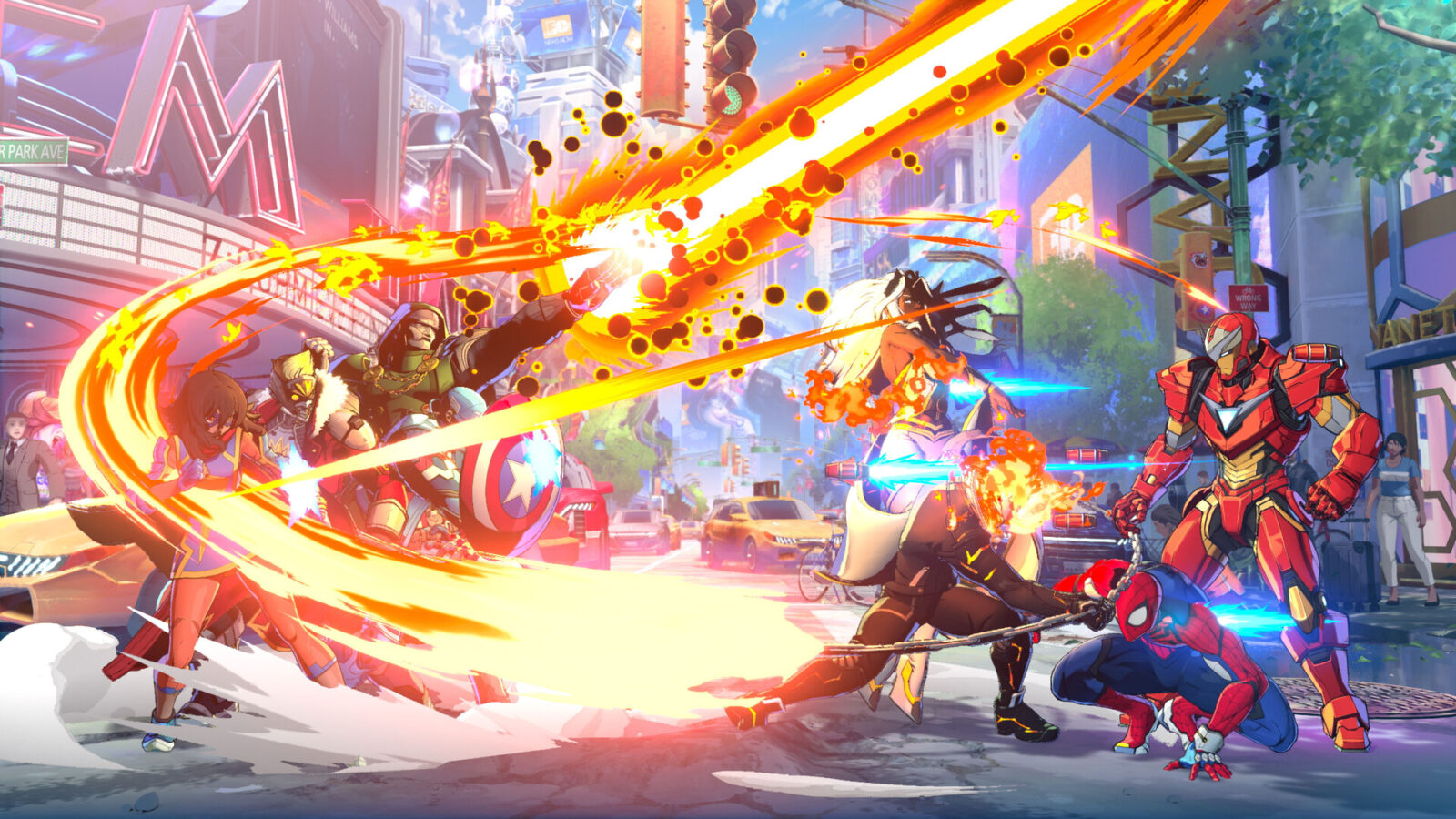
Those limitations matter because Marvel Tokon: Fighting Souls can become visually absurd. Multiple characters can occupy the stage while projectiles, assists, environmental effects and enormous attacks compete for whatever pixels remain available. Peni Parker brings machinery and drones into encounters, Magneto weaponizes the surrounding environment, while Magik can transform substantial portions of the battlefield into places you would strongly prefer not to stand. Add Arc System Works’ famously energetic animation and the result can occasionally resemble somebody feeding a Marvel crossover into a particle accelerator. It looks glorious, but there are moments when identifying the important information underneath all that spectacle requires more concentration than the actual decision you are attempting to make.
Tokon’s stricter tagging rules consequently feel like necessary traffic lights rather than arbitrary restrictions. Completely unrestricted character switching would risk turning an already explosive game into competitive visual soup. Even within these boundaries, there is considerable room for experimentation, particularly when exploiting the delay attached to manual tags. Performing an action before the outgoing fighter fully leaves can allow that move to protect the incoming character, effectively creating your own approach sequence without consuming additional resources. Discoveries like this are where Tokon starts revealing its real personality. The game welcomes button pressing with open arms, but it quietly keeps dozens of mechanical rabbit holes underneath the floorboards for anyone willing to start digging.
A Marvel roster that actually feels superhuman
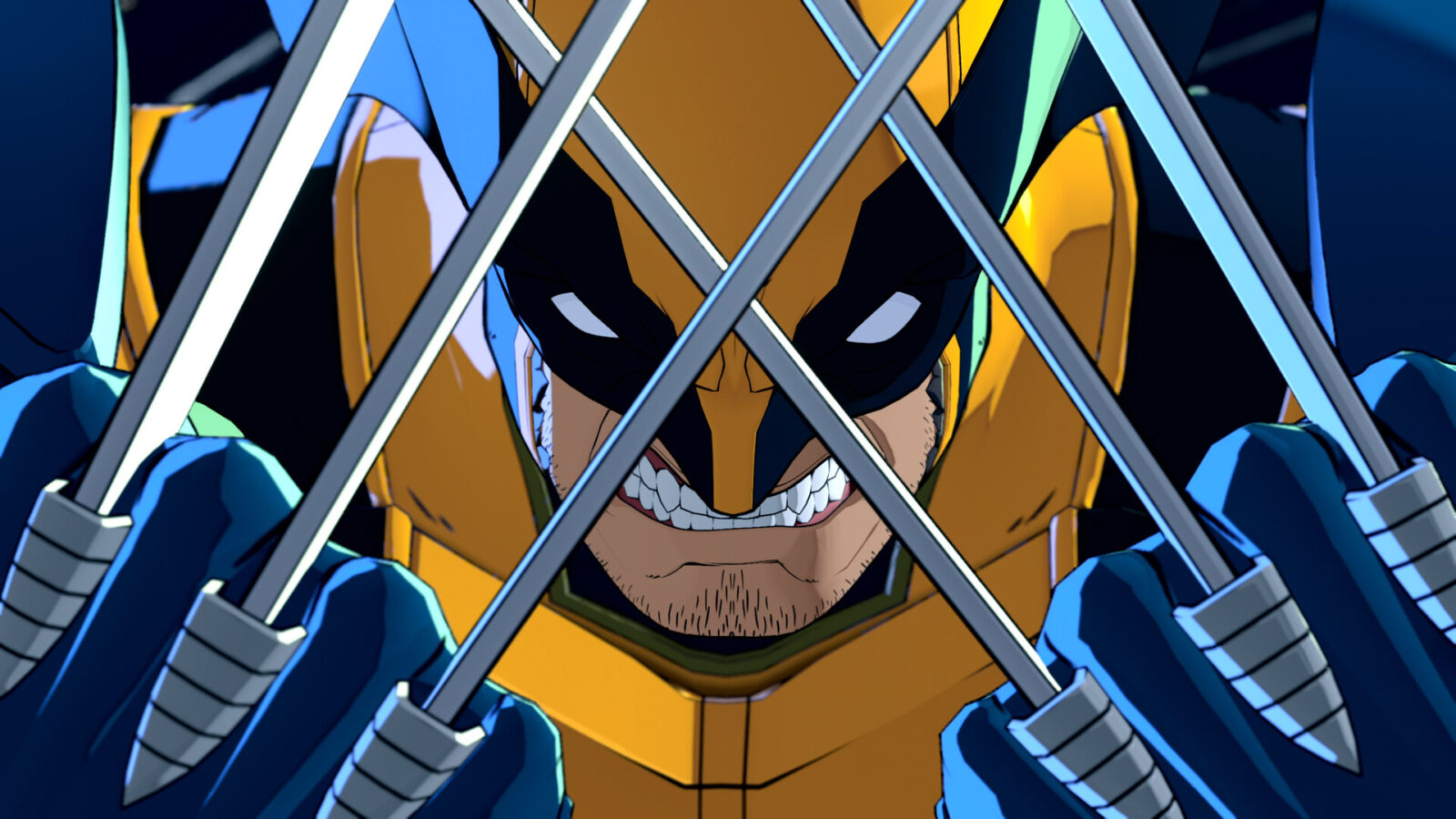
None of these systems would matter much if the characters themselves were bland, and this is where Arc System Works delivers some of Tokon’s most convincing work. Marvel characters have appeared in enough games that another Spider-Man uppercut or Wolverine claw combo is hardly revolutionary by itself. Tokon succeeds because its fighters feel designed around personality and physical identity rather than merely dressed in recognizable costumes. Spider-Man’s web mobility makes the arena feel like something he can manipulate rather than simply occupy, while Storm’s control over weather gives her presence beyond the immediate reach of her limbs. These characters communicate who they are through movement and mechanics, which is exactly what a licensed fighting game should accomplish.
Deadpool pushes that philosophy into affectionate parody, borrowing from fighting-game history so aggressively that his moveset practically becomes an interactive tour through the genre. Elsewhere, unexpected roster choices prove that popularity is not the only route toward compelling design. Green Goblin’s ability to operate both with and without his glider, for example, creates mechanical possibilities that justify his inclusion regardless of where he sits on someone’s dream Marvel roster. With 21 characters available, there will inevitably be arguments over missing favourites, especially given how many Marvel icons could comfortably fill another several character-select screens. Yet Tokon’s roster generally avoids the more damaging problem of having fighters who feel interchangeable, and mechanical diversity ultimately matters more than winning an online popularity poll.
Arc System Works turns Marvel into playable animation
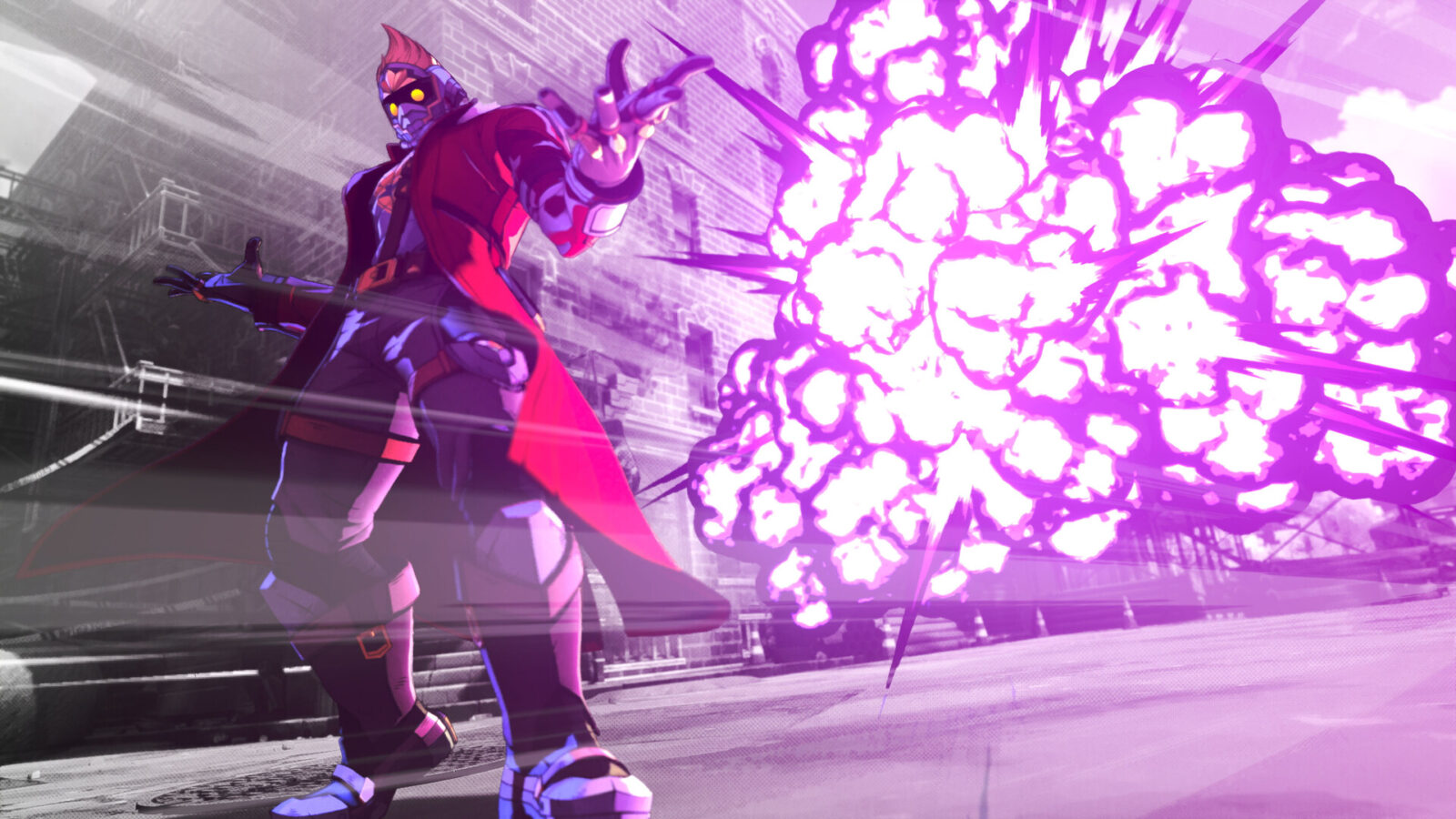
Visually, Marvel Tokon: Fighting Souls is spectacular even by Arc System Works standards, which is rather like complimenting Tony Stark on owning expensive machinery. The studio has spent years refining the illusion that three-dimensional models are actually hand-drawn animation, and Marvel provides an ideal playground for that expertise. Characters stretch, snap and exaggerate during attacks in ways that sell both impact and personality, while supers transform battles into miniature animated set pieces without completely abandoning the visual language of comic books. The result does not simply resemble Marvel filtered through anime aesthetics; it feels like a deliberate collision between American superhero illustration, manga dynamism and ArcSys’ unmistakable approach to animation.
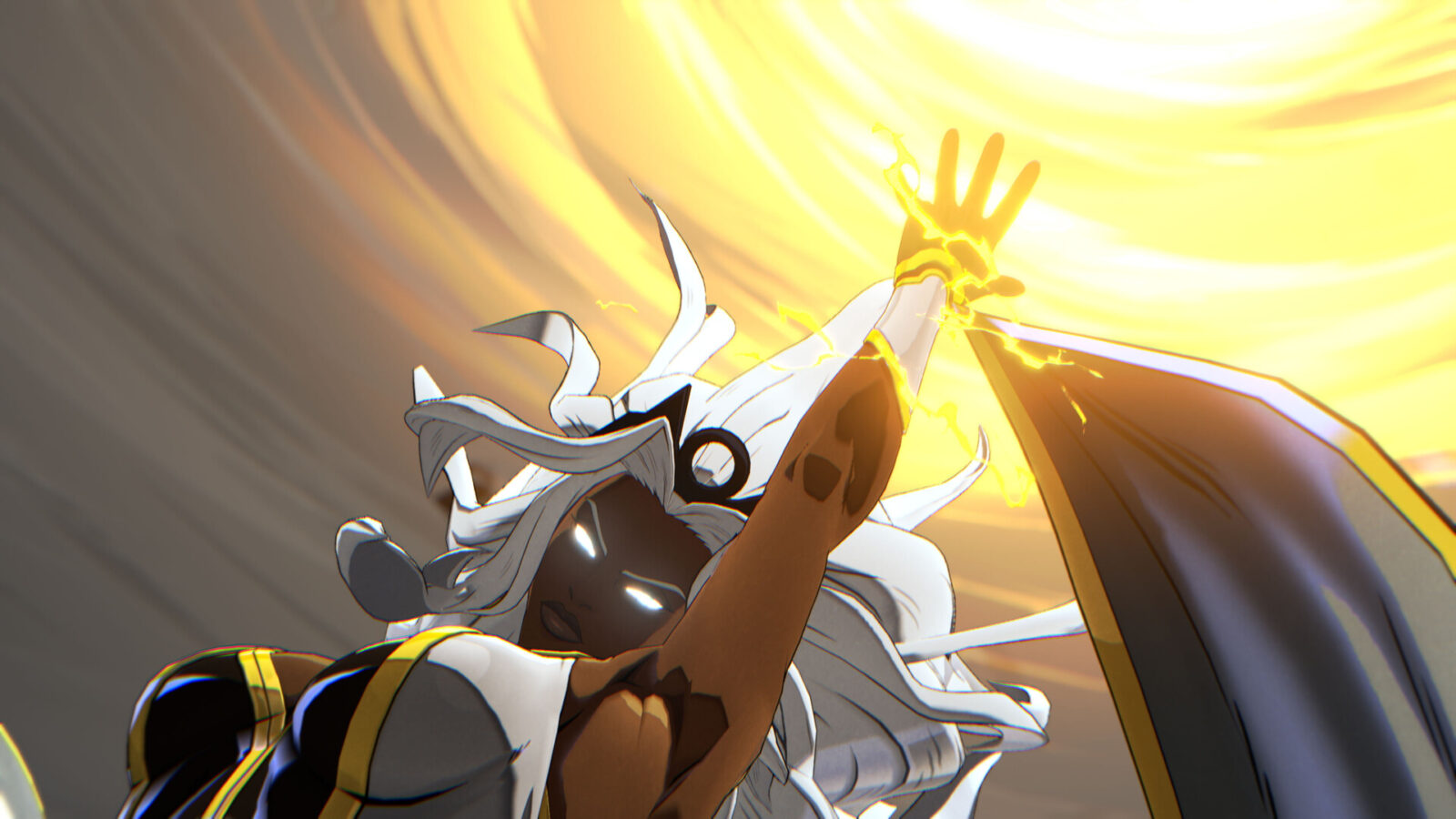
That visual excess also contributes to the readability problem during the busiest encounters, but reducing Tokon’s personality to solve that issue would arguably be the worse compromise. Fighting games live through feedback, and every successful hit here carries the satisfying audiovisual violence necessary to make pressing buttons feel fantastic before you understand why those buttons worked. That distinction matters enormously for newcomers. A player might enter because Spider-Man looks cool, survive because the basic controls feel responsive, and eventually stay because they discover there are several layers of strategy beneath the fireworks. Tokon understands that competitive depth does not have to announce itself through intimidation; sometimes the best tutorial is making someone think, “That looked awesome, how do I do it again?”
Story mode remembers that Marvel characters are characters
Fighting-game campaigns have historically occupied a strange spectrum between elaborate cinematic epics and glorified ladders with occasional dialogue, so Tokon’s five-episode story structure is a welcome middle ground. The setup involves an otherworldly Champion inviting powerful combatants into a tournament where victory comes with the promise of a wish. Nobody is going to mistake that premise for experimental literature, but fighting games have survived for decades on significantly thinner excuses for superheroes to punch each other. What matters is that Tokon uses its straightforward premise to create situations where the characters can interact, argue, cooperate and occasionally remind us that Marvel’s appeal has always depended as much on personality clashes as superpowers.
Each episode focuses on a defined team and is presented with a motion-comic approach featuring distinctive artwork from different comic and manga artists. That gives the campaign an anthology flavour rather than making it feel like mandatory connective tissue between matches. The writing also understands that different groups require different emotional anchors: Peter Parker dealing with leadership and mentorship naturally creates a different energy from mutants confronting hostility despite repeatedly saving people who distrust them. These themes cannot develop with the depth of a dedicated narrative adventure, but they provide enough texture to make the battles feel attached to actual characters rather than action figures being smashed together. For a genre notorious for treating story as optional seasoning, that is meaningful progress.
More than a waiting room for ranked matches
Tokon also makes a serious effort to provide things to do outside traditional competitive matchmaking. Survival mode stretches across 100 battles, periodically allowing players to strengthen their team through statistical upgrades while preserving progress at regular checkpoints. Purists may argue that generous checkpoints undermine the survival concept, and technically they are not wrong, but the structure makes the mode considerably easier to enjoy over multiple sessions. More importantly, it gives players who enjoy the combat but have little interest in being dismantled by someone with 800 ranked matches another reason to keep experimenting with characters. Fighting games need those players too, even if competitive discourse occasionally pretends everyone spends Friday night studying safe-jump setups.
Arcadia Rumble is the stranger experiment, mixing multiplayer exploration, temporary power progression and conventional battles into something closer to a fighting-game party mode. Up to eight players wander a large lobby using customizable avatars, chasing stars through events, confrontations and competitive rounds before taking their powered-up characters into more familiar 4v4 encounters. It is not likely to replace ranked mode for dedicated competitors, nor does it need to. Its real value is providing a social environment where dramatically different skill levels can coexist without every interaction becoming an examination of matchup knowledge. Fighting games are generally excellent at proving who is better; Tokon deserves credit for also asking how everyone might simply have fun together.
Some of the best fighting-game teaching tools around
The strongest evidence that Tokon genuinely wants new players to improve comes from its training ecosystem. Mechanical tutorials are only the beginning, with individual character guides explaining how each fighter is supposed to function rather than merely listing commands. Practical combo instruction focuses on recognizable match situations, teaching players what to do after particular openings or with specific resource levels. That is a crucial distinction because knowing a 30-hit combo means very little if you have no idea how to create the situation where its first attack actually connects. Tokon treats training as an education in decision-making rather than a memory test, which immediately makes its enormous mechanical vocabulary feel more manageable.
Free-form combo challenges are particularly smart because they ask players to satisfy conditions rather than reproduce a developer-approved sequence exactly. Requiring a particular move and minimum damage threshold encourages experimentation, essentially turning combo construction into a puzzle. You begin asking why certain attacks connect, which routes preserve resources and how different assists modify possibilities. Replay searching and takeover functionality then extend that educational philosophy beyond training mode by allowing players to study real situations rather than relying exclusively on abstract drills. It is the kind of infrastructure fighting games increasingly need because accessibility should not mean flattening mechanics; the better solution is giving players effective tools for understanding sophisticated ones.
Online play is strong, but getting there could be faster
The PC version’s early performance problems threatened to become the unfortunate headline surrounding an otherwise accomplished release. Fighting games are uniquely vulnerable to technical instability because maintaining consistent performance is not simply about visual comfort; it directly affects timing, responsiveness and potentially the experience of the person sitting on the other side of the connection. A post-launch update appears to have addressed much of the reported trouble, significantly improving the situation after a rocky opening. That quick response is encouraging, although PC performance across different hardware configurations is something worth continuing to watch rather than declaring permanently solved after a single update.
Once matches are running properly, Tokon’s online foundation supports the quality of its combat, although matchmaking itself can feel slower than expected for a modern fighter with an active audience. The ability to remain in training mode while searching softens that irritation considerably because downtime becomes another opportunity to test routes or practice the assist timing you absolutely swear you understood five minutes ago. Still, friction between matches matters in a genre built around repeated short competitive encounters, and this is one area where Tokon could become noticeably smoother. When the combat encourages the immediate “one more match” reflex this strongly, the infrastructure should be equally enthusiastic about getting you there.
Verdict
Marvel Tokon: Fighting Souls succeeds because Arc System Works has not confused accessibility with simplicity. Its shared-health 4v4 structure gives newcomers permission to begin with one character while leaving an enormous amount of tactical space for players who want to master team composition, assists, active tags and resource management. The roster is mechanically expressive, the presentation is outrageously stylish, and the training tools understand that teaching players how to think is considerably more useful than giving them button sequences to memorize. Add an unexpectedly worthwhile story campaign and several substantial side modes, and this becomes one of those rare fighting games that feels designed as a complete videogame rather than an excellent competitive system surrounded by menus.
There are imperfections. The screen can become difficult to parse when Tokon unleashes its full superhero circus, assist rules occasionally feel more finicky than intuitive, matchmaking could be faster, and the PC version’s troubled opening is difficult to ignore even after improvements. Yet none of those issues substantially diminish what Arc System Works has accomplished. Marvel Tokon: Fighting Souls captures the fantasy of assembling impossible superhero combinations while providing enough mechanical depth to keep players experimenting long after the novelty of seeing four Marvel characters explode onto the screen has faded. Whether you live in training mode or still consider blocking an optional feature, Tokon gives you a compelling reason to join the fight.