

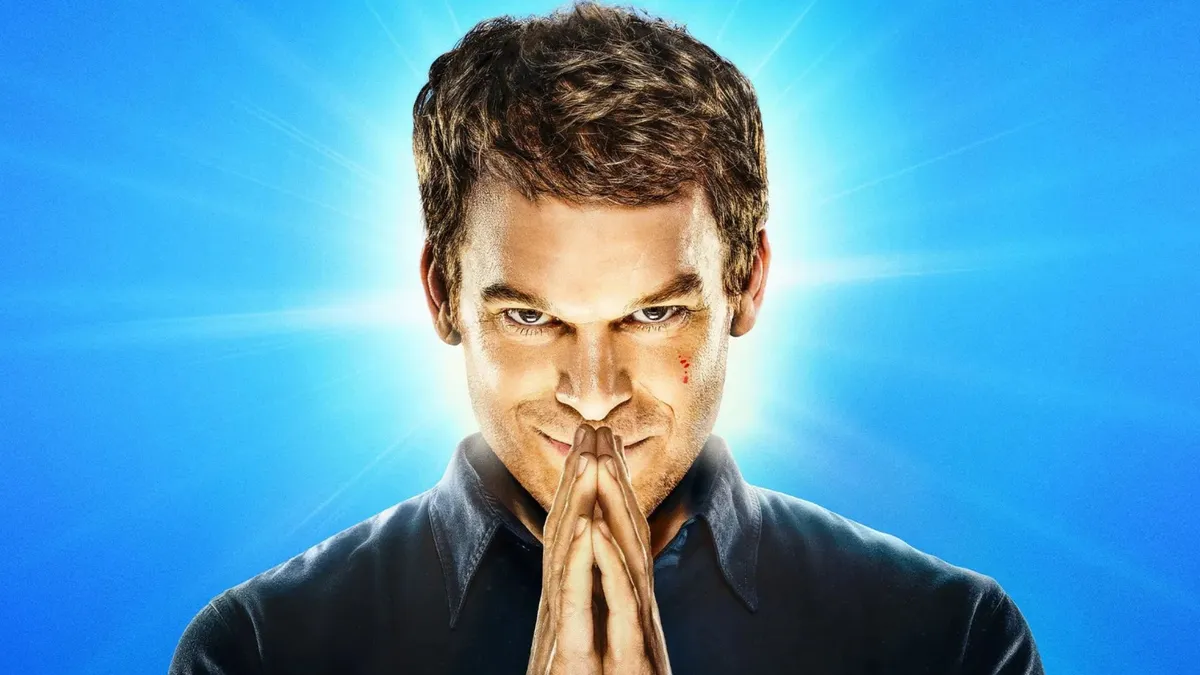
Dexter: Resurrection season 2 has begun production in New York, continuing the revival of a character many viewers thought had reached a natural conclusion years ago. Michael C. Hall returned as Dexter Morgan in the first season, navigating the city’s underbelly while rebuilding a fractured relationship with his son Harrison. Early signs suggest the follow-up will double down on that tension, introducing fresh threats and personal reckonings.
Filming started in April, as Hall confirmed in an Instagram post that mixed excitement with the usual guarded optimism of long-running series. Season 1 wrapped principal photography in roughly six months before arriving on Paramount+ shortly afterward, pointing toward a possible late 2026 debut for season 2, though nothing has been confirmed. No trailer has surfaced yet, which is unsurprising given the early stage of production.
The cast list offers the most immediate intrigue. Hall and Jack Alcott return as Dexter and Harrison, with James Remar back as the ghostly Harry. Uma Thurman reprises her role as Charley, whose departure at the end of season 1 now appears temporary. New series regulars include Bokeem Woodbine as Captain Mixon, a hard-nosed homicide captain, and Nona Parker Johnson as his daughter Fiona, a training officer who becomes Harrison’s love interest.
The headline additions are Brian Cox and Dan Stevens, both playing serial killers who will complicate Dexter’s already crowded moral landscape. Cox portrays Don Frampt, the retired New York Ripper, who now taunts survivors from his past crimes. Stevens takes on Owen Stark, the Five Borough Killer, a Zodiac-like figure who phones in threats before striking. The official logline frames Dexter as caught between these two predators while wrestling with a mid-life crisis, with Harrison pursuing his own brand of justice. It promises the pair’s “darkest chapter,” a bold claim after the events of season 1, which already tested them through betrayal, violence, and a secret club of killers led by Peter Dinklage’s Leon Prater.
Whether Dinklage returns remains unclear, but the season 1 finale left ample room for his character to reappear. The revival has so far leaned heavily on familiar Dexter DNA—internal monologues, code-driven kills, and the pull between restraint and compulsion—while transplanting the action to New York. This setting provides new procedural texture and a larger canvas for moral ambiguity, yet it also risks stretching the formula thin. The original series ran eight seasons before ending in a way that divided fans; the 2021 limited series New Blood offered a sharper, more contained coda. Resurrection, by extending the story again, must justify its existence beyond nostalgia and streaming metrics.
Behind the camera, the creative team including Clyde Phillips and Scott Reynolds has spoken of planning for at least three seasons. Phillips has indicated the story could continue as long as Hall is willing, while executive producer Marcos Siega hinted at knowing casting choices beyond season 2. Such forward-looking comments are common in successful streaming shows, yet they also highlight the challenge of sustaining a character whose appeal has always rested on a delicate balance between anti-hero intrigue and inevitable consequences.
For now, the series remains a modest performer rather than a breakout Paramount+ title. Its strength lies in Hall’s nuanced performance and the reliable tension of Dexter’s double life, but the real test will be whether season 2 deepens the father-son dynamic and the psychological toll of their shared darkness, or simply adds more bodies to the body count. Viewers drawn to the revival for closure may find themselves watching a show that refuses to let its protagonist rest—an outcome that feels true to the character, if not always kind to the audience.