
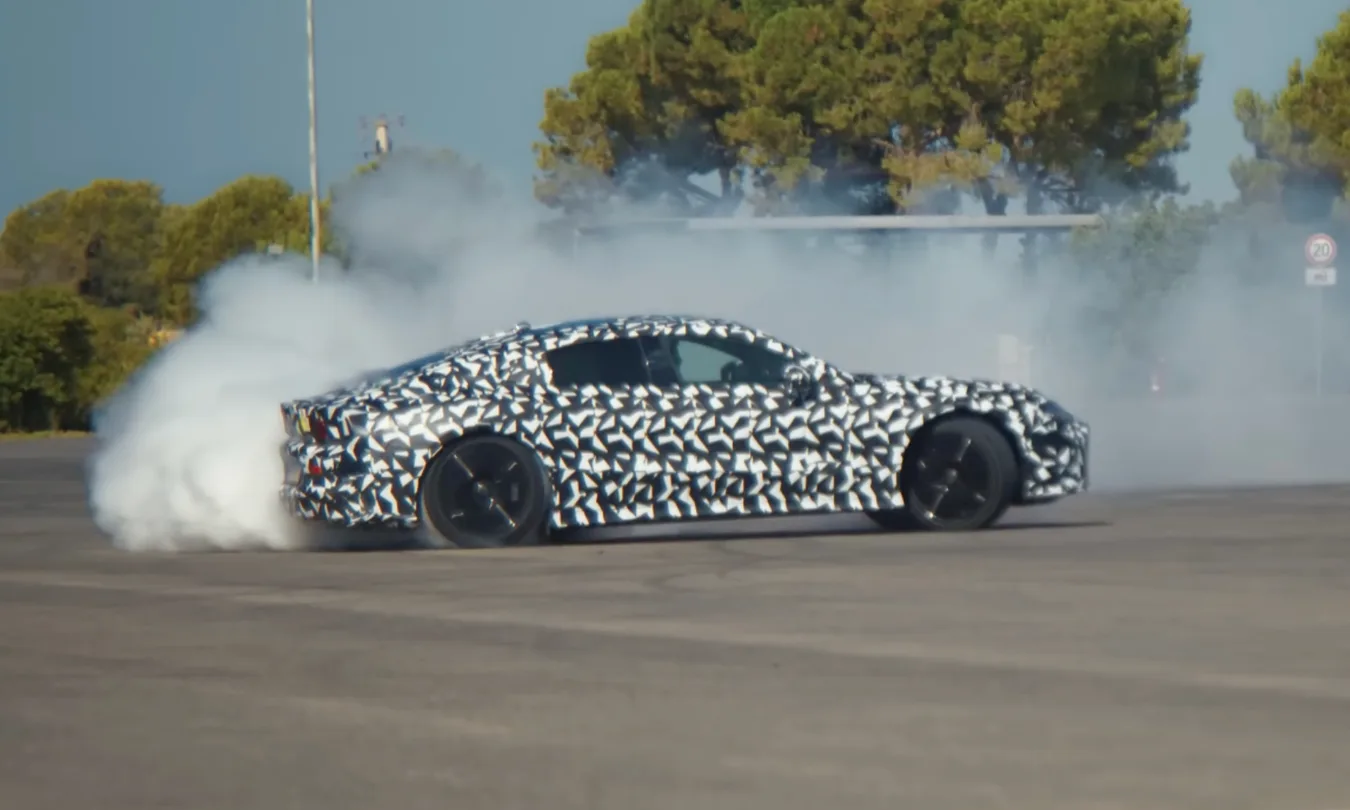
Mercedes-AMG is developing its first fully electric performance vehicle on a dedicated platform called AMG.EA, and the company has shared an 11-minute behind-the-scenes video detailing the process. The project centers on a new version of the GT 4-Door Coupe, built from the ground up rather than adapting an existing electric architecture. This marks a deliberate step away from the broader EQ lineup, aiming to preserve the brand’s performance identity in an era when many legacy manufacturers are still figuring out how to make electric cars feel engaging to drive.
The engineering team created a system called AMG Race Engineer, which includes three rotary controllers for Response, Agility, and Traction. These allow real-time adjustments to the car’s behavior on the road. Winter testing on low-grip surfaces in Sweden went relatively smoothly, but the program hit a significant hurdle during high-speed, high-load runs at the Papenburg oval. The setback required a return to the digital drawing board, using simulation tools and rebuilt prototypes to address the issues. Such iterative development is common in performance engineering, yet it underscores the complexity of making heavy, powerful electric vehicles handle like their combustion predecessors.
Formula 1 driver George Russell evaluated an early prototype and described the power delivery as straightforward to manage—an encouraging note from someone accustomed to thousand-horsepower machinery. Still, Mercedes-AMG has been candid that the car has not reached production readiness. No launch date has been set, and the video serves more as a progress report than a final reveal. This measured transparency feels refreshing at a time when many automakers prefer polished marketing over visible engineering struggles.
The broader context matters. Performance brands with decades of internal-combustion heritage face the same fundamental challenge: how to retain character and driver involvement when the soundtrack, gear shifts, and mechanical feedback of traditional engines disappear. AMG’s approach—dedicated platform, active controls, and extensive physical-digital validation—reflects serious investment, but it also highlights how much reinvention is required. Electric powertrains excel at instant torque and straight-line speed, yet delivering consistent handling, feedback, and emotional connection remains harder than the marketing often suggests.
For enthusiasts, the AMG.EA project represents one of several attempts by German manufacturers to keep high-performance driving relevant. Whether it succeeds will depend on final tuning, real-world range and charging behavior, and how it compares to rivals from Porsche, Audi, and emerging electric-native players. In the meantime, the development story offers a glimpse into the painstaking work happening behind the hype. Mercedes-AMG clearly wants buyers to see this as worth the wait, but patience will be necessary as the industry continues its uneven shift toward electrification.
The video arrives amid growing scrutiny of electric performance claims, where promised excitement sometimes falls short once the novelty of acceleration wears off. If AMG can translate its motorsport know-how into something that feels authentic rather than simulated, it could set a useful benchmark. For now, the project remains a work in progress—one that acknowledges the difficulties instead of glossing over them.