
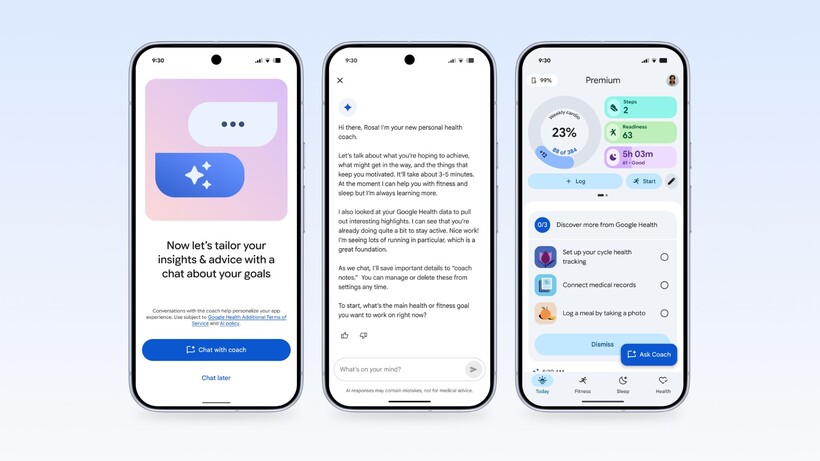
Google Health Coach is the latest AI-driven feature tucked inside Google’s newly unified health app, which has replaced the standalone Fitbit app. Built on the Gemini model, it promises more tailored fitness and wellness guidance than generic workout templates, but access requires a paid Google Health Premium subscription at $9.99 per month or $99.99 per year. While the concept addresses a real gap in personalized coaching, it also reflects the industry’s broader shift toward locking core features behind recurring fees.
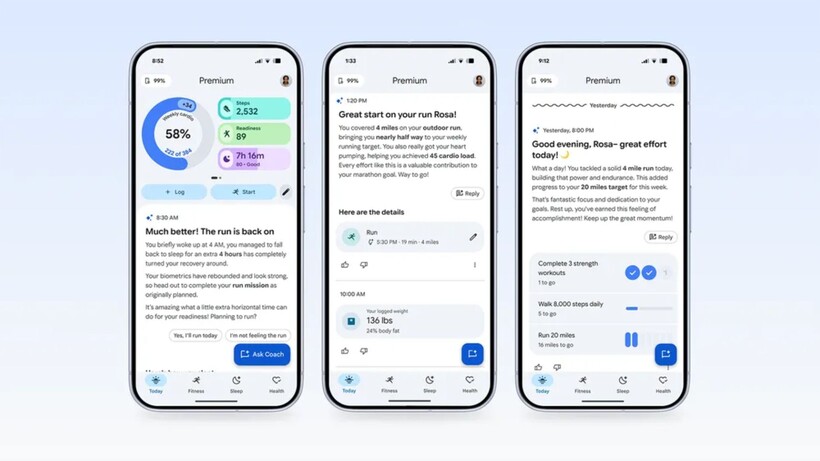
The setup begins with an onboarding conversation where users share goals, daily routines, available equipment, and lifestyle details. From there, the coach generates training plans, workout suggestions, sleep advice, and summaries of health metrics. It can adapt over time and functions as an always-available chatbot for questions. These elements appear across the app’s Today, Fitness, Sleep, and Health tabs, pulling in data on steps, workouts, nutrition, cycle tracking, and even environmental factors like weather. In the Health tab, US users can optionally link medical records for more contextual insights, though this feature remains geographically limited for now.
The timing aligns with the launch of the Fitbit Air tracker. Buyers of that device receive three months of the premium subscription at no extra cost, and existing Google AI Pro or Ultra subscribers get Health Premium included. Initial rollout targets eligible Fitbit and Pixel Watch owners between May 19 and 26, with broader device support promised soon but without a firm timeline.
This subscription-gated approach continues a pattern established after Google acquired Fitbit. What began as a relatively straightforward activity tracker ecosystem has steadily layered on paid services, a move that improves revenue but risks frustrating users who simply want deeper insights from hardware they already own. Competitors like Whoop and Oura have built successful businesses on similar models, yet the reliance on AI for personalization raises familiar questions about accuracy and data privacy. While Gemini can synthesize information quickly, real coaching often depends on nuances that algorithms still struggle to interpret consistently, especially across varied fitness levels, injuries, or complex health conditions.
Google positions Health Coach as holistic and adaptive, which sounds appealing in a market flooded with one-size-fits-all apps. Yet the reality will depend on how well it integrates long-term user data without becoming intrusive or overly generic once the novelty fades. The ability to chat casually with the coach may feel convenient for some, but it also adds another always-listening AI presence in users’ daily lives at a time when many are growing wary of data collection in health contexts.

For now, Google Health Coach represents an incremental evolution rather than a breakthrough. It gives existing Fitbit and Pixel users a more conversational way to manage wellness, provided they accept the subscription cost. Those already invested in the ecosystem may find value, particularly during the promotional window with new hardware. Others might reasonably wait to see whether the AI delivers sustained, meaningful results or simply repackages basic tracking with a premium label. In an increasingly subscription-heavy fitness tech landscape, thoughtful evaluation of the actual benefits versus the ongoing fee remains essential.