

TL;DR: Kane Parsons’ Backrooms emerges as a stunning debut that transforms viral internet horror into sophisticated cinematic art. With outstanding performances from Chiwetel Ejiofor and Renate Reinsve, masterful atmosphere, and thoughtful themes about memory and reality, this film delivers both chills and substance. It’s essential viewing for anyone who appreciates intelligent, boundary-pushing horror that lingers in the mind.
Backrooms
Kane Parsons’ feature debut Backrooms feels like stumbling into a dream you can’t wake up from, the kind where familiar spaces twist into something profoundly wrong. This young visionary, barely out of his teens, has taken his viral YouTube origins and expanded them into a chilling cinematic experience that burrows deep under your skin. Chiwetel Ejiofor delivers a powerhouse turn as Clark, a man whose life has crumbled into quiet desperation, while Renate Reinsve brings heartbreaking vulnerability to Mary, the therapist caught in the same web of unreality. Together they navigate not just physical corridors but the fragile architecture of memory itself. What makes Backrooms so compelling is how it weaponizes the mundane against us, turning everyday environments into portals of existential terror that linger long after the credits roll.
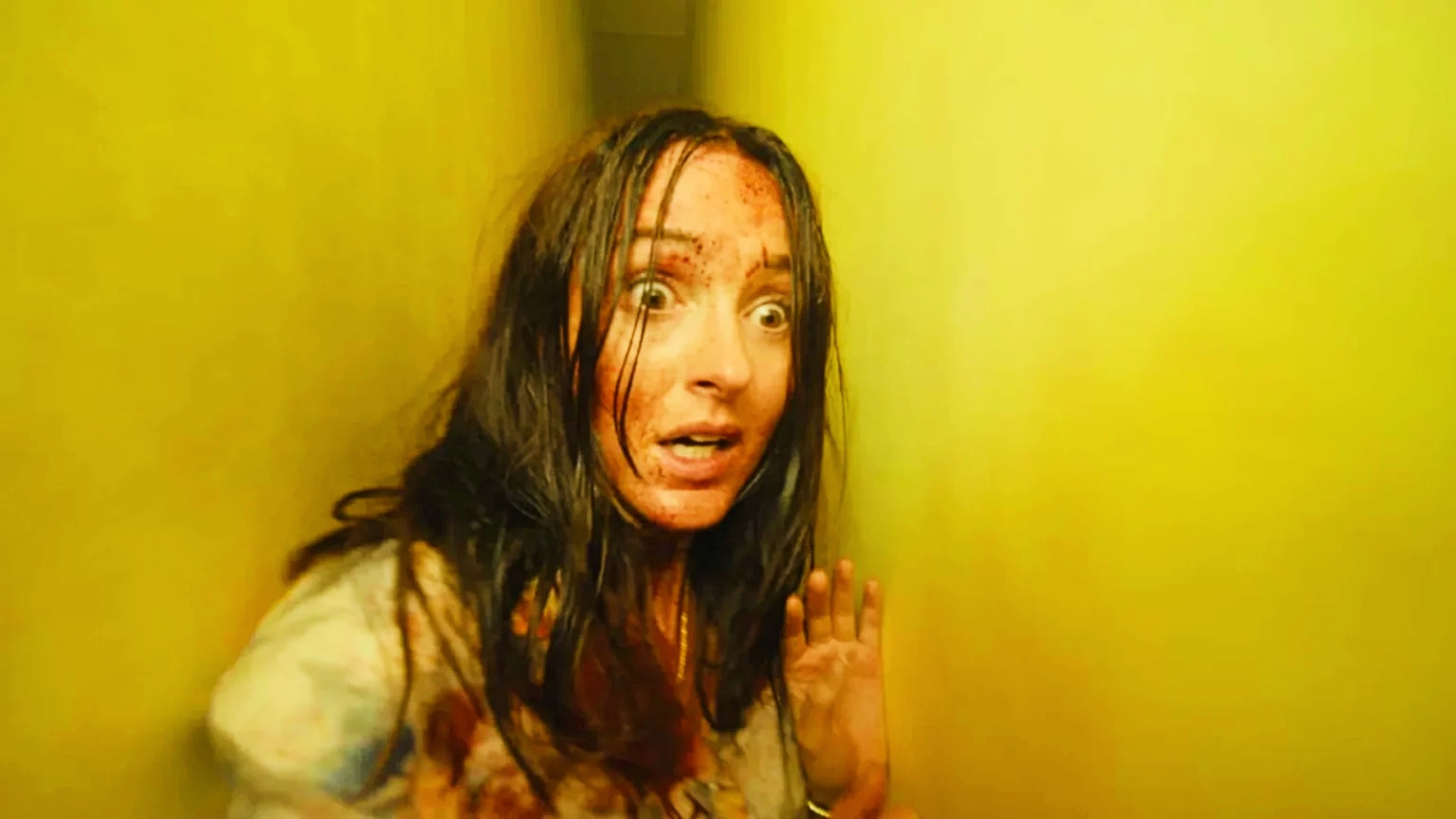
As a passionate cinephile who’s devoured everything from classic psychological thrillers to the latest mind-bending genre experiments, I found myself completely absorbed by this film’s unique rhythm. Parsons doesn’t rely on cheap gore or predictable jump scares, though those elements exist in clever, measured doses. Instead, he crafts an atmosphere of creeping unease that feels eerily personal, like the movie is reading your own suppressed anxieties and reflecting them back in distorted form. The infinite network of hidden rooms becomes a metaphor for the mental prisons we build, yet it never feels preachy or heavy-handed. You sense the director’s deep love for horror as an art form capable of exploring profound human truths. Every frame pulses with intention, drawing you further into its yellow-tinged labyrinth where reality frays at the edges.
Ejiofor’s portrayal of Clark stands as one of the most nuanced depictions of male fragility I’ve seen in recent horror. He brings such raw authenticity to this failed architect turned reluctant pirate-mascot for a discount furniture empire that you can’t help but root for him even as his world unravels. There’s a quiet dignity in his descent, a sense of someone fighting against the current of his own disappointments while discovering horrors beyond comprehension. Reinsve matches him beat for beat as Mary, creating a dynamic that crackles with unspoken tension and genuine emotional stakes. Their chemistry transforms what could have been a standard “lost in another dimension” story into something far more intimate and heartbreaking.
You feel their isolation in your bones, that particular brand of modern loneliness amplified by environments designed to look welcoming but actually repel human connection. Parsons gives these actors room to breathe, allowing small gestures and loaded silences to carry enormous weight. In an era where horror often prioritizes spectacle over substance, Backrooms reminds us how powerful committed performances can be when paired with intelligent direction. I found myself thinking about Clark’s journey long after finishing the film, pondering how many of us are secretly wandering our own endless backrooms of regret and what-if scenarios. The way both leads navigate the shifting realities showcases not just technical skill but deep emotional intelligence that elevates the entire production.
The visual language of Backrooms is nothing short of masterful, creating spaces that feel simultaneously recognizable and deeply alien. Those endless corridors with their sickly lighting and slightly-off proportions tap into something primal about human discomfort with liminal environments. Parsons and his team have crafted a world that feels like it was pulled from our collective unconscious, the kind of place you might glimpse in fever dreams or half-remembered childhood anxieties. The production design doesn’t just look impressive; it actively contributes to the storytelling, making the environment itself a character that shifts and evolves alongside the protagonists’ psychological states.
This approach to world-building sets Backrooms apart from typical genre fare, inviting viewers to engage with it on multiple levels. Whether you’re there for the surface-level thrills or the deeper philosophical questions about perception and reality, the film delivers on both fronts with remarkable consistency. The way light and shadow play across these artificial domestic scenes creates an almost hypnotic effect, pulling you deeper into the mystery. As someone who appreciates when horror respects its audience’s intelligence, I was thoroughly impressed by how Backrooms builds tension through suggestion and atmosphere rather than constant action. It understands that the scariest things are often what we imagine lurking just beyond the next doorway.
At its core, Backrooms offers a fascinating meditation on memory, identity, and the stories we tell ourselves to survive. In our current cultural moment of digital dissociation and blurred realities, the film’s exploration of these ideas feels incredibly timely and relevant. Parsons isn’t content to simply scare us; he wants us to question the very nature of our lived experiences and how easily they can become distorted. The infinite rooms serve as perfect vessels for examining how trauma, failure, and regret can trap us in cycles that feel impossible to escape. Yet there’s also something strangely hopeful in the way characters reach for connection even in the midst of this nightmare.
The film brilliantly balances its more cerebral elements with genuinely unsettling moments that had me shifting uncomfortably in my seat. It’s the rare horror movie that manages to be both intellectually stimulating and viscerally effective, appealing to both the brain and the gut. Watching it felt like participating in a shared psychological experiment, one that left me reflecting on my own relationship with memory and space. Backrooms joins that select group of genre films that transcend their category to say something meaningful about the human condition while still delivering the thrills we crave. Its influence on future horror storytelling feels inevitable, especially as younger creators continue pushing boundaries in exciting new directions.