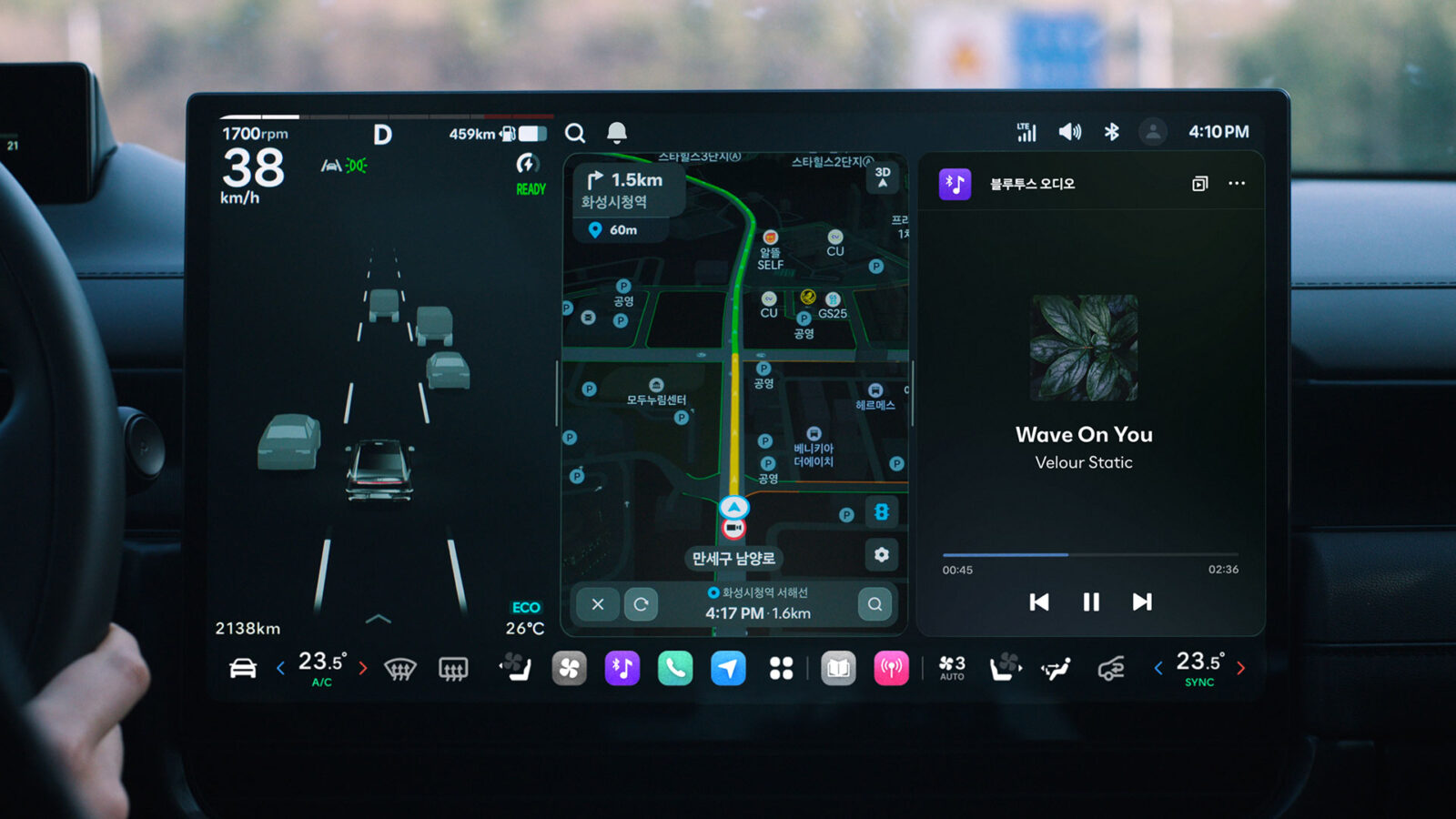

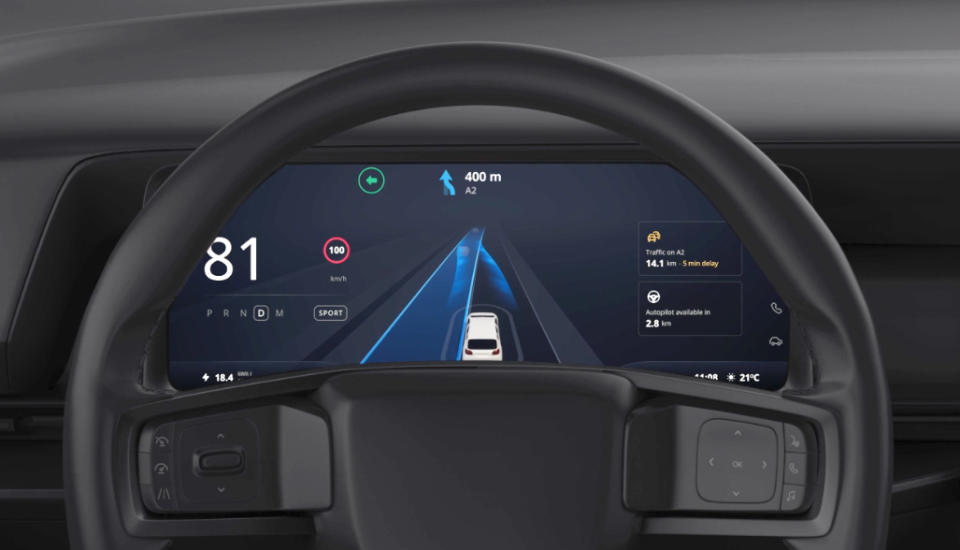
Get ready to ditch the canned car navigation prompts and robotic in-car assistants. The future of automotive interaction is taking a sharp turn towards the dynamic and unpredictable realm of generative AI, thanks to a partnership between TomTom and Microsoft.
This collaboration marks a significant leap forward in the evolution of the driving experience. Imagine an AI co-pilot that can not only anticipate your needs and adjust the in-car environment accordingly, but also generate creative suggestions, entertain you with personalized storytelling, and even hold engaging conversations on a variety of topics.
What’s Under the Hood?
The engine powering this AI revolution is a potent combination of TomTom’s expertise in mapmaking, traffic data, and driver behavior analysis, and Microsoft’s Azure OpenAI service, a powerful platform for developing and deploying cutting-edge generative AI models.
This marriage of data and AI muscle will give birth to a new generation of automotive assistants that can:
- Proactively suggest alternative routes: Stuck in traffic? Your AI copilot can analyze real-time data and propose detours that not only avoid congestion but also align with your preferences for scenic drives or quick commutes.
- Personalize the in-car experience: Imagine adjusting the cabin temperature, lighting, and music based on your mood or even the current weather conditions. The AI can learn your preferences over time and create a truly personalized driving space.
- Become your storytelling companion: Long drives can get monotonous. But what if your AI co-pilot could weave personalized tales based on the scenery you’re passing, your interests, or even the mood of the music playing? The possibilities for in-car entertainment are endless.
- Engage in meaningful conversations: Forget the robotic interactions of traditional car assistants. This AI can hold nuanced conversations on a variety of topics, from current events to historical trivia, keeping you mentally stimulated and engaged during your journeys.
TomTom started working with Microsoft in 2016, with TomTom powering Azure Maps location services, and the companies later expanding their partnership to mapping data and services for Microsoft’s first-party maps. As a natural evolution of their relationship, the companies are now collaborating on automotive solutions, driving innovation for generative AI-powered automotive solutions, and developing an in-vehicle digital cockpit and infotainment solution with cloud analytics.