
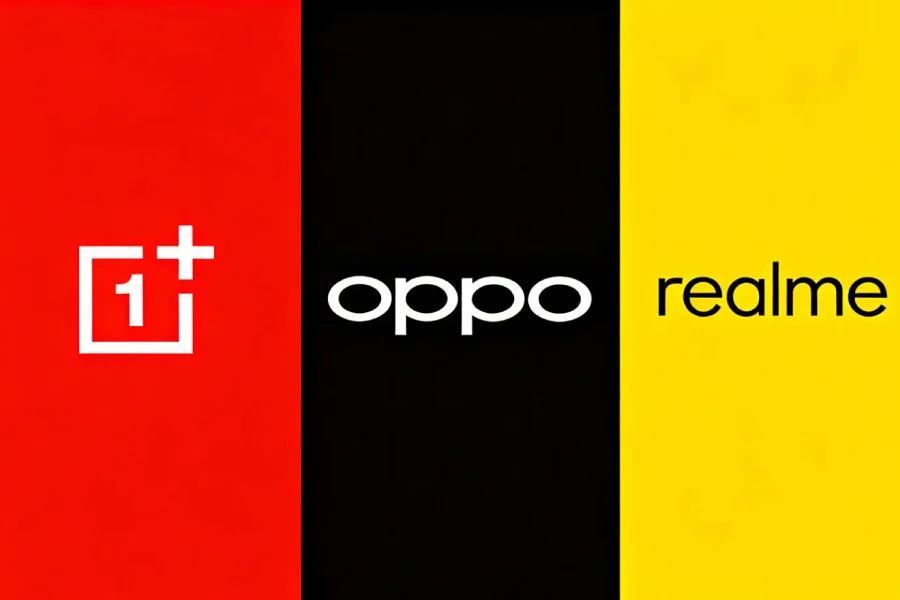
Oppo is tightening its grip on its portfolio of smartphone brands by folding OnePlus and Realme into a single internal “sub-series business unit.” The move, reported by multiple Chinese industry sources, aims to cut duplication, share resources more effectively, and streamline operations across the three closely related companies under BBK Electronics.
Realme CEO Sky Li now heads the combined unit. On the marketing front, Xu Qi, formerly Realme’s global marketing chief, takes responsibility for both brands’ promotion and service networks. Product development has its own dedicated center split between domestic and international teams, led by OnePlus China president Li Jie, who reports directly to OnePlus co-founder Pete Lau. Former Realme executive Wang Wei serves as deputy general manager. Meanwhile, Realme’s independent R&D operations in imaging, hardware, and other technical areas are being absorbed back into Oppo’s central engineering structure.
Signs of this integration had already surfaced. Realme staff began relocating into Oppo’s headquarters earlier this year, and from April 1, 2026, the brand’s after-sales service in China shifted entirely to Oppo’s existing network for phones, tablets, and IoT devices. The changes suggest Oppo is prioritizing operational efficiency over brand autonomy, especially after months of speculation about OnePlus’s future. Earlier 2026 reports even floated the possibility of the brand winding down, though those rumors proved unfounded.
This consolidation reflects the harsh realities of today’s smartphone market. Mid-range and premium segments have become brutally competitive, with tightening margins, rising component costs, and slowing global demand. By reducing internal competition and overlapping efforts, Oppo can allocate engineering talent and marketing budgets more strategically. Shared platforms could accelerate product cycles and lower costs, benefits that might eventually reach consumers through better pricing or faster software updates. Yet the risk is real: distinct brand identities that once appealed to different buyer groups—OnePlus with its enthusiast roots and “flagship killer” positioning, Realme with its aggressive value focus—could blur over time.
Pete Lau’s continued oversight on the product side offers some reassurance that OnePlus’s core DNA may be protected, at least in the near term. Still, history shows that corporate restructurings in consumer electronics often lead to gradual homogenization. Features, design languages, and even user experiences tend to converge when resources are pooled under one roof. For users who chose OnePlus or Realme precisely because they felt different from standard Oppo phones, this could dilute the very differentiation that drove loyalty.
The broader context is telling. BBK’s multi-brand strategy helped it capture significant market share in China and emerging regions by attacking price segments from multiple angles. With economic pressures mounting and competition from Xiaomi, Vivo, and global players intensifying, the company appears to be shifting from aggressive expansion to disciplined consolidation. Whether this results in stronger, more competitive products or simply fewer choices dressed in different logos will depend on execution over the coming quarters.
For now, the merger remains an internal reorganization rather than a public rebranding. OnePlus and Realme devices will likely continue operating under their existing names, but behind the scenes the lines are being redrawn. In an industry where scale and speed increasingly determine survival, Oppo’s latest move looks like a pragmatic, if unsurprising, response to market forces.