
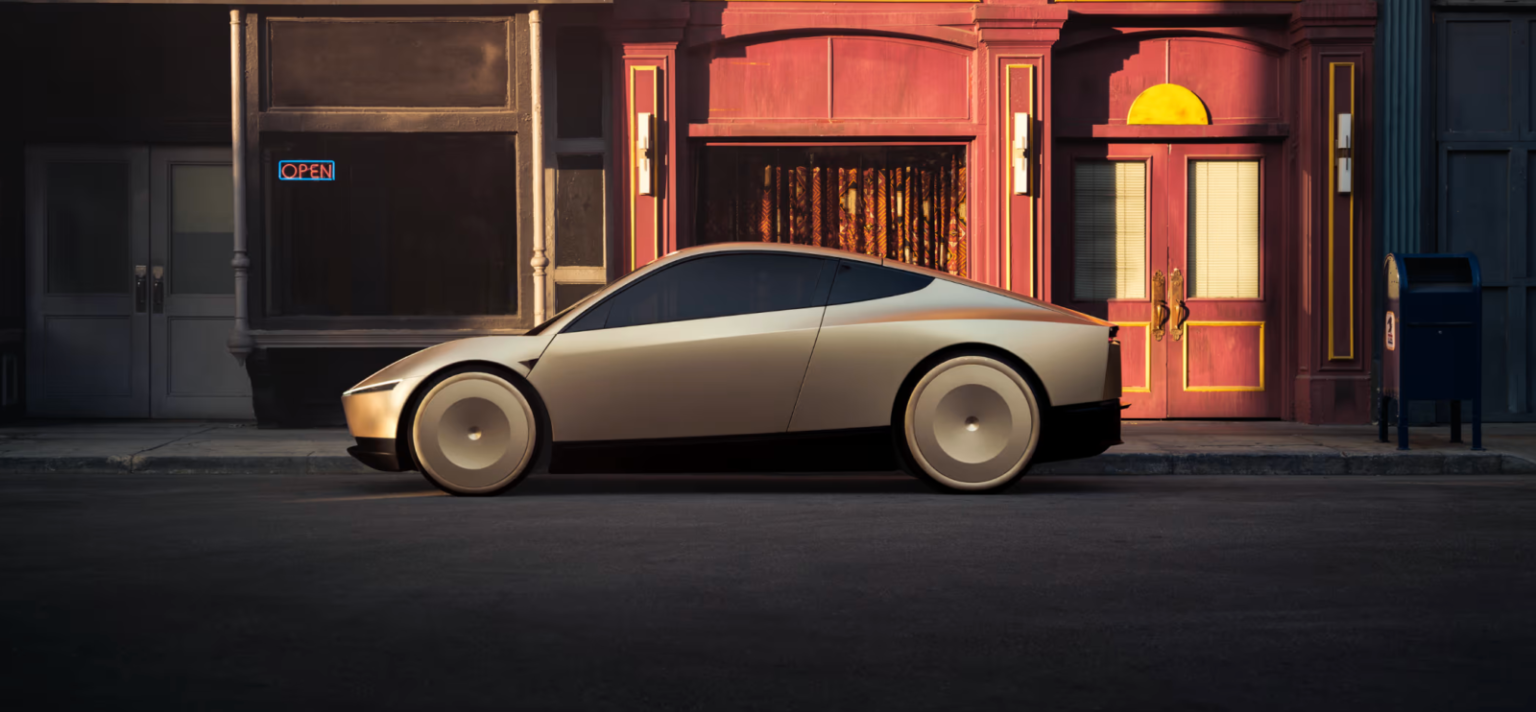
Tesla has taken the wraps off its highly anticipated Cybercab, a compact, two-seater autonomous vehicle reminiscent of a smaller Cybertruck. At the “We, Robot” event held at the Warner Bros. Discovery studio, CEO Elon Musk surprised attendees with a fleet of 20 Cybercabs, showcasing the company’s progress in autonomous driving technology.
Musk reiterated his vision of affordable autonomous transportation, stating that the Cybercab’s operating cost would be around $0.20 per mile. He also revealed that the Cybercab would be available for purchase at a price below $30,000.
While acknowledging his tendency for optimistic timelines, Musk projected that the Cybercab could enter production by 2026 or “before 2027.” He also announced that Tesla plans to implement “unsupervised FSD” (Full Self-Driving) in its Model 3 and Model Y vehicles in Texas and California next year.
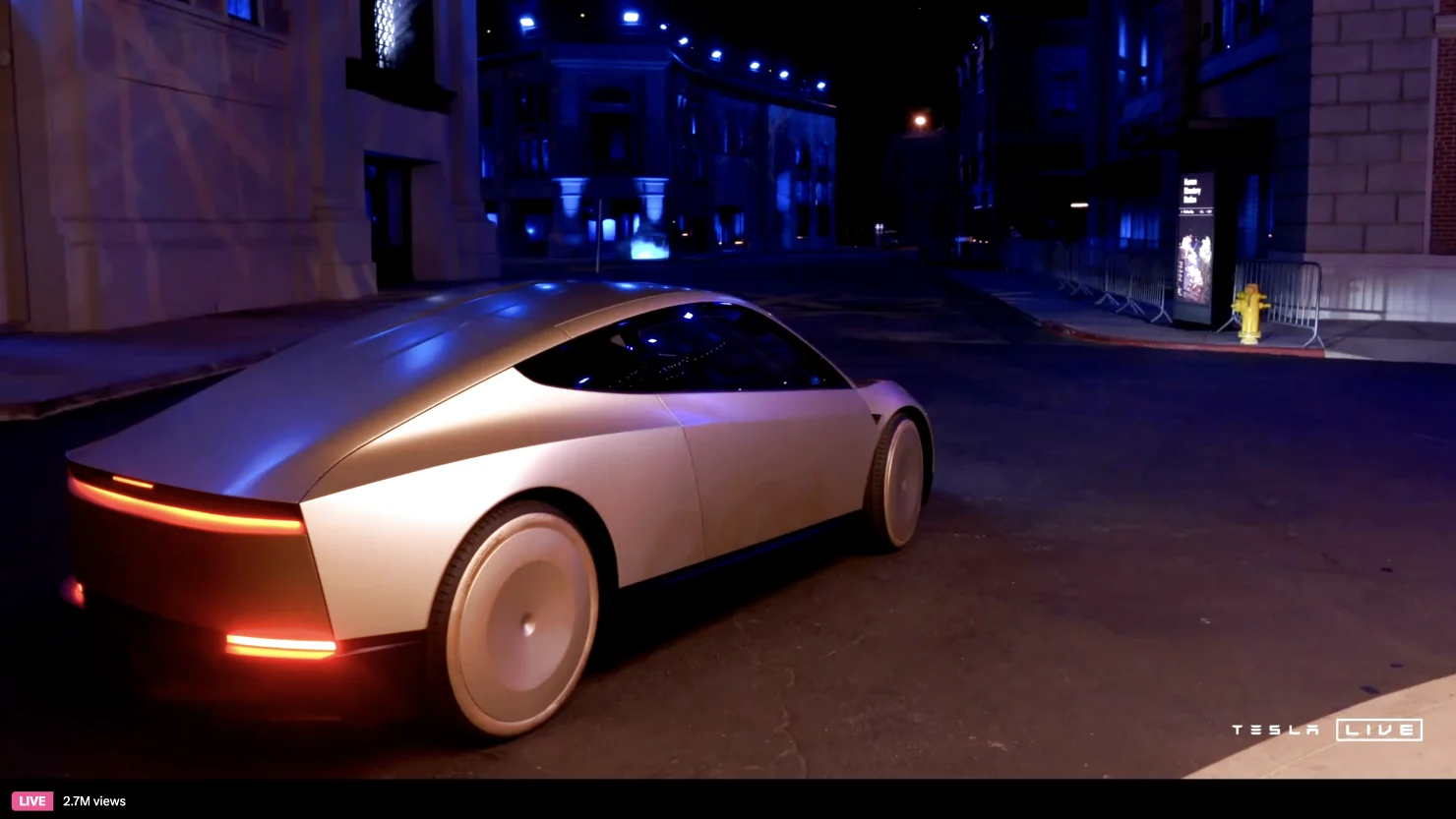
Attendees at the event were given the opportunity to experience test rides in the Cybercabs, which navigate the studio lot without human intervention. The Cybercab features inductive charging, eliminating the need for traditional plug-in charging.
Beyond the Cybercab: Robovan and Optimus
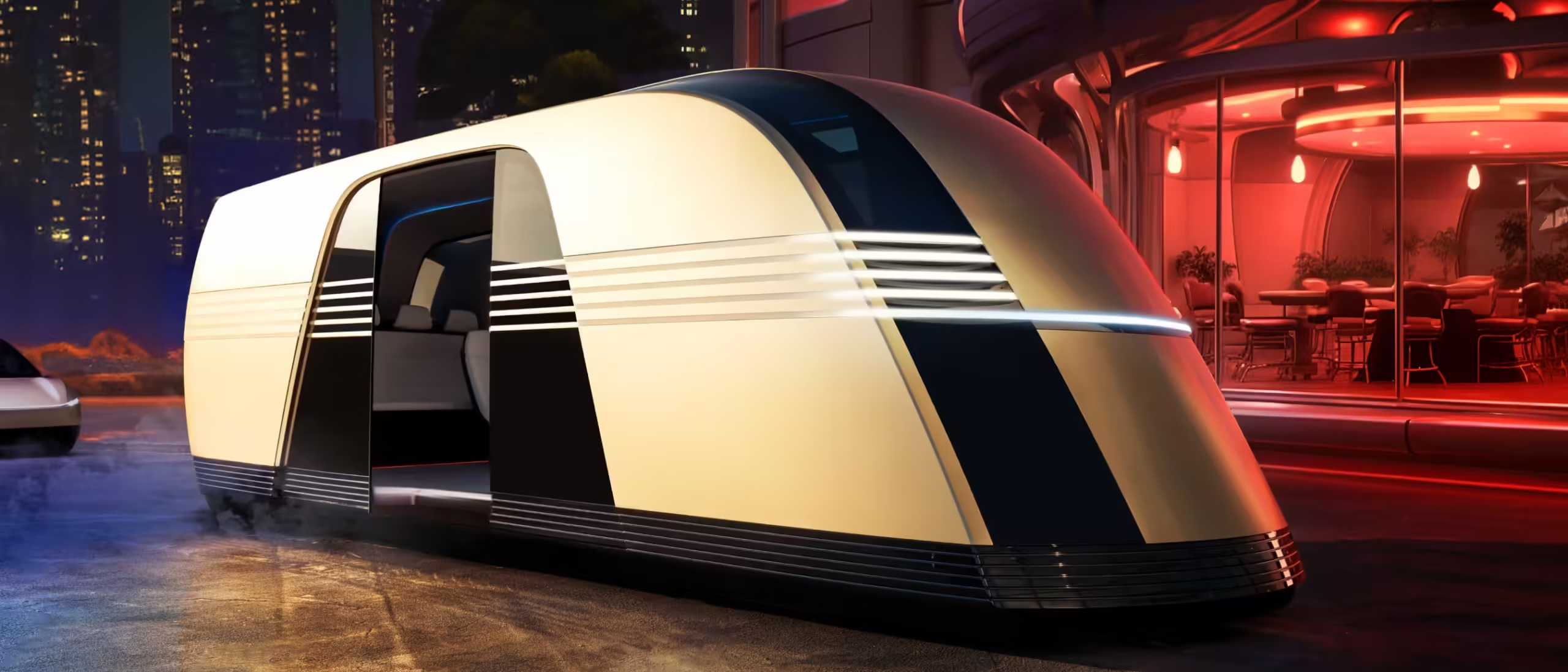
In addition to the Cybercab, Tesla also unveiled the Robovan, an autonomous electric bus designed to transport up to 20 passengers or cargo. Musk envisions the Robovan as a solution for high-density transportation needs.
The event also featured a demonstration of Tesla’s Optimus humanoid robots, showcasing their ability to walk, dance, and even mix drinks. Musk emphasized the potential for these robots to become affordable companions and helpers in the future.
The Road to Robotaxis
Tesla’s pursuit of autonomous driving technology has been a long and winding road, with missed deadlines and ambitious claims along the way. The Cybercab represents a significant step towards realizing Musk’s vision of a robotaxi future.
However, challenges remain. Tesla’s Full Self-Driving software, which relies solely on cameras for environmental perception, is still under development and faces scrutiny from regulators and industry experts. The Cybercab’s lack of traditional controls also raises questions about compliance with safety regulations.
Despite these challenges, the unveiling of the Cybercab and Robovan highlights Tesla’s commitment to advancing autonomous driving technology and shaping the future of transportation.