
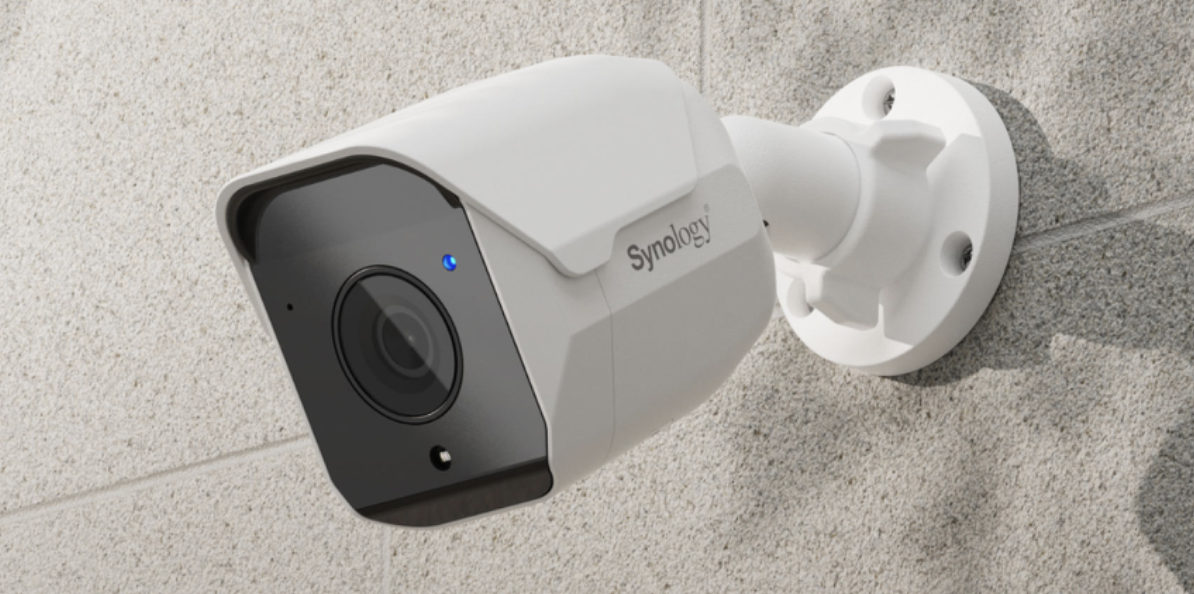
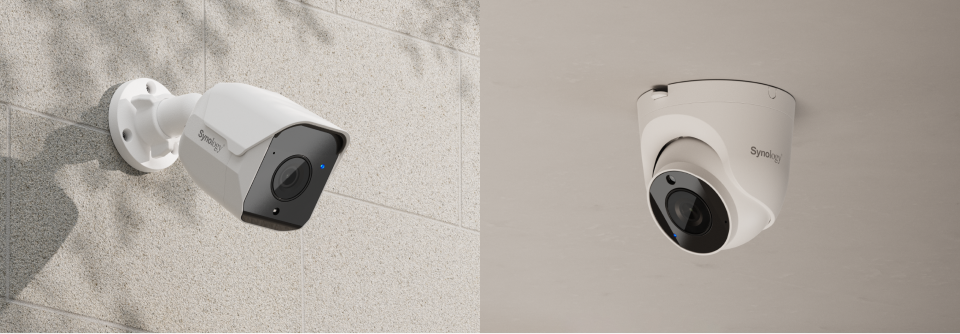
Synology has launched two new AI-enabled surveillance cameras, the BC510 bullet model and the TC510 turret version, aimed at businesses seeking practical upgrades to their physical security setups. The cameras focus on edge-based processing, solid outdoor durability, and compatibility with both Synology’s own systems and third-party setups, reflecting a broader industry shift toward more distributed intelligence in video surveillance rather than relying solely on centralized servers.
These models arrive at a time when organizations face rising pressure to improve monitoring without ballooning infrastructure costs. Traditional surveillance often strains network bandwidth and storage with constant high-resolution feeds sent to central processors. By handling tasks like people and vehicle counting, intrusion detection, and instant search directly on the device, the BC510 and TC510 aim to ease that burden. This edge AI approach can deliver quicker alerts and reduce the load on backend hardware, though real-world performance will depend on factors such as lighting consistency, camera placement, and integration quality—areas where many competing systems have historically fallen short in complex environments.
Both cameras record at 2880×1620 resolution and 30 frames per second, with a 110-degree horizontal field of view and infrared night vision reaching about 30 meters. They carry IP66 and IP67 ratings for weather resistance, making them suitable for a range of indoor and outdoor deployments, from small retail spaces to larger commercial sites. The turret design of the TC510 typically allows for easier adjustment of viewing angles after installation, while the bullet-style BC510 often provides a more directional, fixed presence that some installers prefer for perimeter coverage.
A key selling point is deployment flexibility. The cameras work within Synology’s surveillance ecosystem, which includes video management software, storage, and an upcoming cloud-based VSaaS platform. They also support the ONVIF standard, enabling integration with many existing third-party NVRs and VMS solutions. This openness stands in contrast to more closed ecosystems from some larger competitors, potentially appealing to organizations wary of vendor lock-in. Still, seamless performance across mixed environments often requires careful configuration, and buyers should verify compatibility rather than assume plug-and-play results.
In the wider surveillance market, where AI features have become table stakes rather than differentiators, Synology’s latest models emphasize practicality over flashy promises. Edge processing helps address privacy concerns by minimizing unnecessary data transmission, yet questions remain about long-term accuracy of onboard analytics in variable real-world conditions like heavy rain or crowded scenes. Pricing and total cost of ownership, including storage and licensing, will ultimately determine their value compared to established players offering similar resolutions and weatherproofing.
The BC510 and TC510 are available now through Synology’s partners and resellers. For organizations evaluating updates to their security infrastructure, these cameras represent a measured step toward smarter, more flexible monitoring rather than a complete reinvention of the category.