
Roblox has appointed Mohamed El Sheakh as its general manager for the Middle East, North Africa, and Türkiye, a newly created role intended to deepen the company’s footprint in a region with rising interest in gaming and digital creation. The move, announced on May 11, 2026, from Dubai, comes as Roblox seeks to convert youthful populations and government digital investments into sustained regional growth.
El Sheakh will oversee business operations, build partnerships with public and private entities, nurture local creators, and adapt global product priorities to local expectations. His background includes more than two decades in technology and mobile, with leadership roles on the App Store global team at Apple, as well as positions at Microsoft and Nokia. Most recently, he headed Games Ventures, working across regional studios, creators, investors, and public-sector initiatives. This experience positions him to bridge Roblox’s platform ambitions with the practical realities of emerging markets.
The Middle East, North Africa, and Türkiye represent one of the faster-growing areas for interactive entertainment, driven by a young, digitally comfortable demographic and heavy infrastructure spending by governments. Yet the region’s gaming landscape remains fragmented, with varying regulatory approaches, connectivity challenges in some areas, and competition from established mobile and console platforms. Roblox’s entry through a dedicated senior hire signals a more structured push beyond organic user growth, focusing on ecosystem development rather than simple market entry.
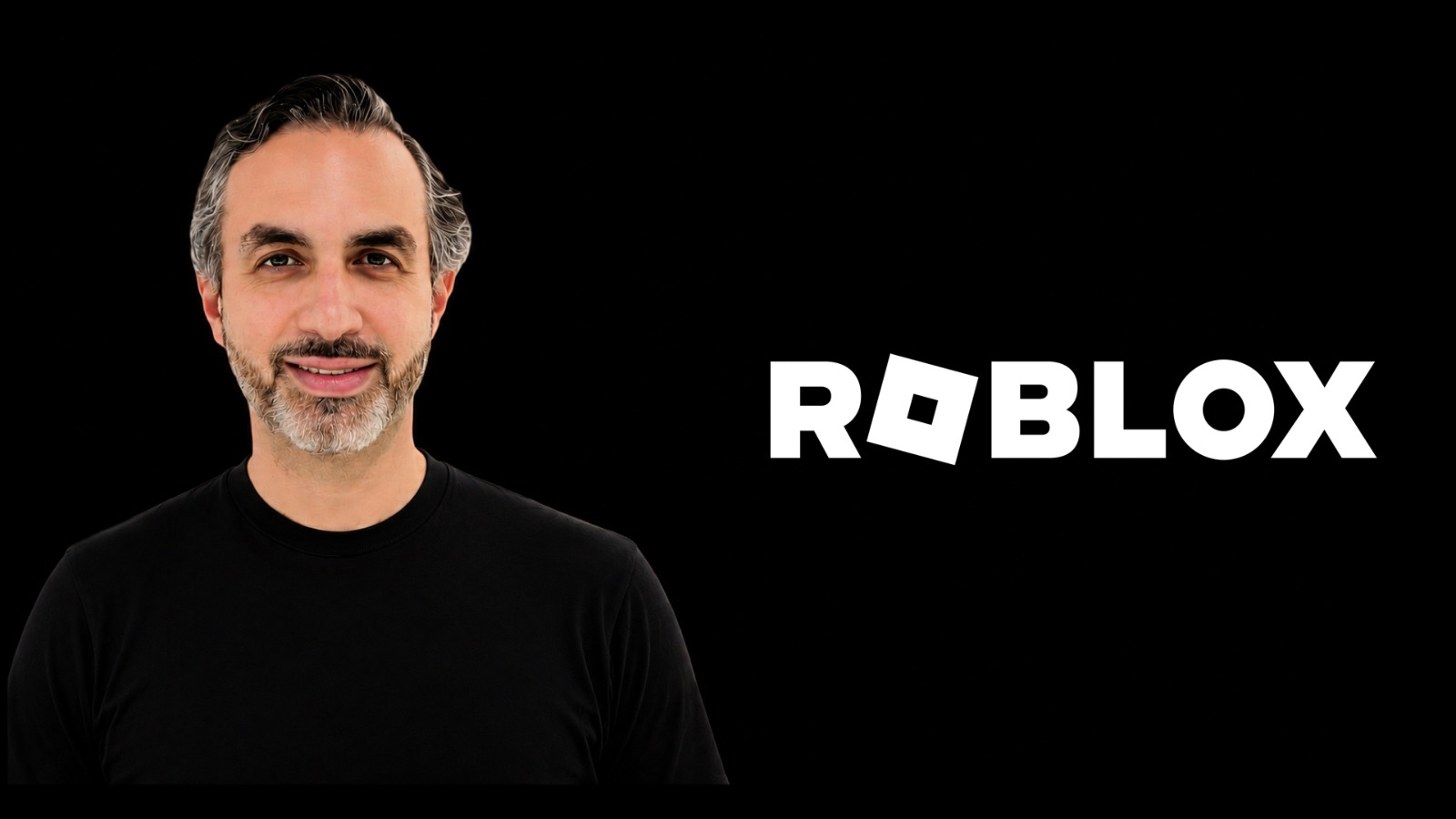
In statements accompanying the announcement, El Sheakh highlighted the region’s creative potential and public-private momentum. Zhen Fang, vice president of international at Roblox, emphasized the strategic value of the area and the company’s aim to deliver a safe, creative, and educational experience. Roblox reported 132 million daily active users worldwide in the first quarter of 2026, though regional breakdowns were not disclosed. Like many global platforms, Roblox has faced ongoing scrutiny over content moderation, particularly around younger users, data practices, and the balance between open creation tools and safety safeguards—issues that local leadership will likely need to address sensitively in culturally diverse markets.
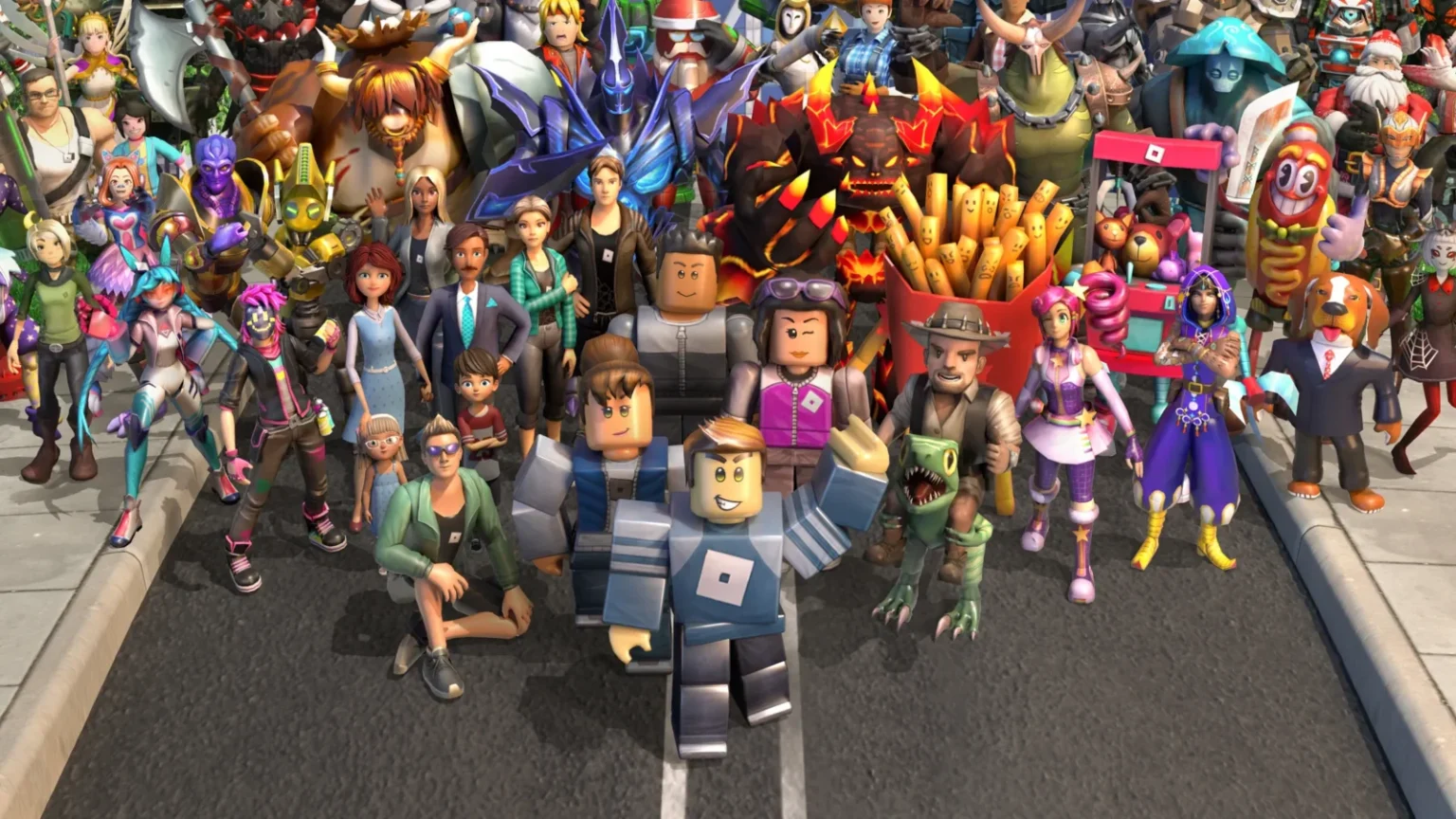
Roblox operates as a user-generated platform where millions create and play virtual experiences across devices. It provides free development tools that lower barriers to coding, design, and small-scale entrepreneurship, while maintaining extensive safety systems. These features have helped it grow into a significant player in the creator economy, but success in MENA will hinge on more than platform availability. Factors such as localized content, reliable monetization for regional creators, latency performance, and alignment with local education or youth initiatives will prove decisive. Past expansions into emerging markets have shown that cultural relevance and trust-building often matter more than raw user numbers.
The appointment reflects broader industry patterns: major Western platforms increasingly install regional executives to navigate regulatory nuances, talent pipelines, and partnership opportunities. Whether Roblox can translate this presence into meaningful market share remains to be seen, especially as competition intensifies from local and international rivals. For now, El Sheakh’s role marks a deliberate step in Roblox’s international maturation.