
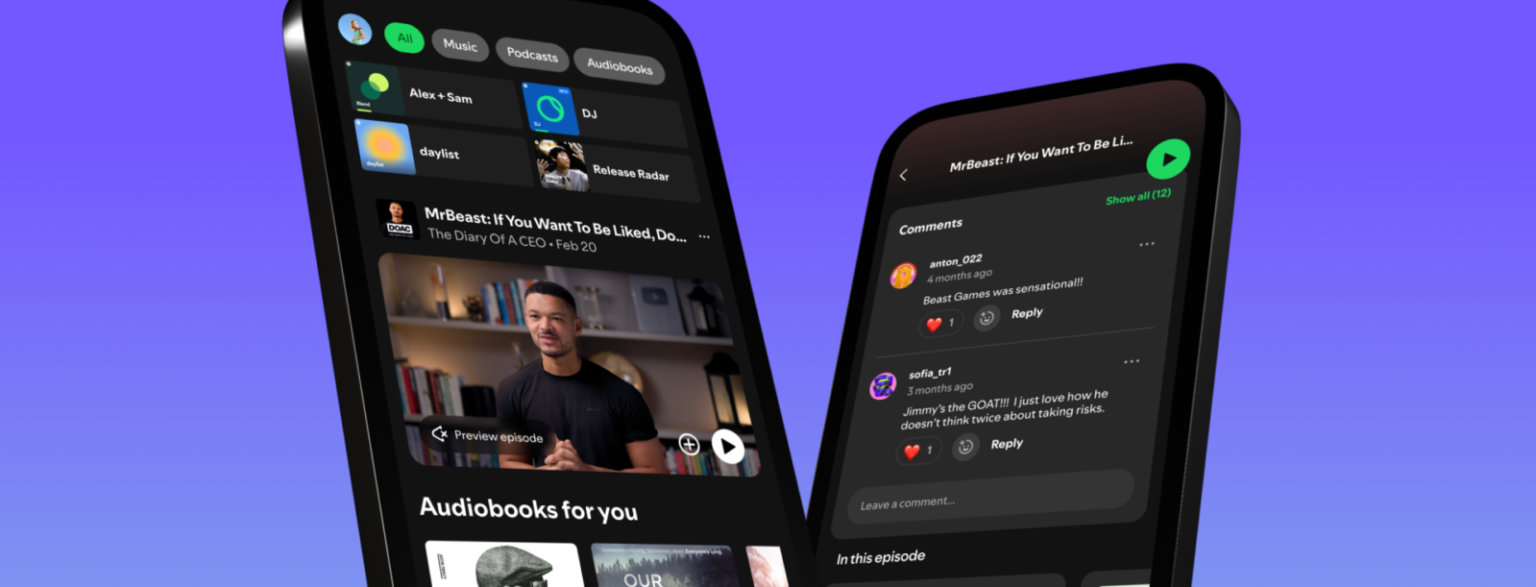
Spotify is teaming up with Apple to make video podcasts more widely available, a practical move that could smooth distribution for creators without forcing them to choose between platforms. The audio streaming service announced it is integrating support for Apple’s HLS (HTTP Live Streaming) technology into its Megaphone and Spotify for Creators tools. This means video podcast hosts who upload directly to Spotify can now push their content to Apple Podcasts without extra work or format changes.
The change addresses a real friction point in the podcast world. Video podcasts have grown quickly as creators lean into visual elements—guest reactions, charts, or simple talking-head footage—that audio alone can’t deliver. By handling HLS natively, Spotify removes the technical headache of preparing separate files or feeds for Apple’s ecosystem. Creators keep their existing monetization setup on Spotify, so wider reach on Apple doesn’t mean giving up revenue. That balance feels sensible in an industry where many hosts already juggle multiple platforms just to stay visible.
Spotify emphasized that video is where the growth is happening. Expanding presence across both Spotify and Apple Podcasts should bring more listeners, more engagement, and ultimately more earning potential from the same content. The company stopped short of naming a launch date, only confirming the work is happening behind the scenes. One important detail: creators must upload directly to Spotify rather than relying on RSS feeds to unlock the full integration and monetization features.
On the technical side, Spotify has also opened its Distribution API to several third-party hosts. Libsyn, Podigee, Audioboom, Audiomeans, and Podspace users can now send video podcasts straight to Spotify and monetize them where eligible. These integrations arrived quietly but matter for independent creators who prefer established hosting services over managing everything in-house.
This partnership reflects the maturing podcast market. A few years ago, Spotify was aggressively buying up exclusive shows and tools to build its own walled garden. Now the strategy appears more open—focusing on interoperability while still keeping creators anchored to its platform for uploads and payments. It’s a pragmatic shift. Apple Podcasts remains a major discovery engine, especially for casual listeners who don’t use Spotify as their main app. Giving them easier access to video content expands the total audience without creators duplicating effort.
Of course, not everything is seamless. The requirement to upload directly to Spotify could still limit some workflows, and video podcasts demand more bandwidth and storage than pure audio, something smaller creators may feel in their hosting bills. There’s also the broader question of whether flooding more platforms with video will dilute the intimate, background-friendly nature that made podcasts popular in the first place. Many listeners still prefer audio-only for commutes or workouts; forcing visual elements into every feed risks alienating that core group.
Still, the move looks like a net positive for the ecosystem. It lowers barriers for video creators, improves discoverability, and signals that the two biggest players in streaming audio are willing to cooperate where it benefits content flow. For listeners, it could mean stumbling across more polished video episodes in Apple Podcasts that were previously Spotify-only. For creators, it’s one less technical hurdle in an already crowded attention economy.
Whether this leads to a noticeable bump in video podcast quality or consumption remains to be seen, but it’s a concrete step toward making the format less fragmented.