
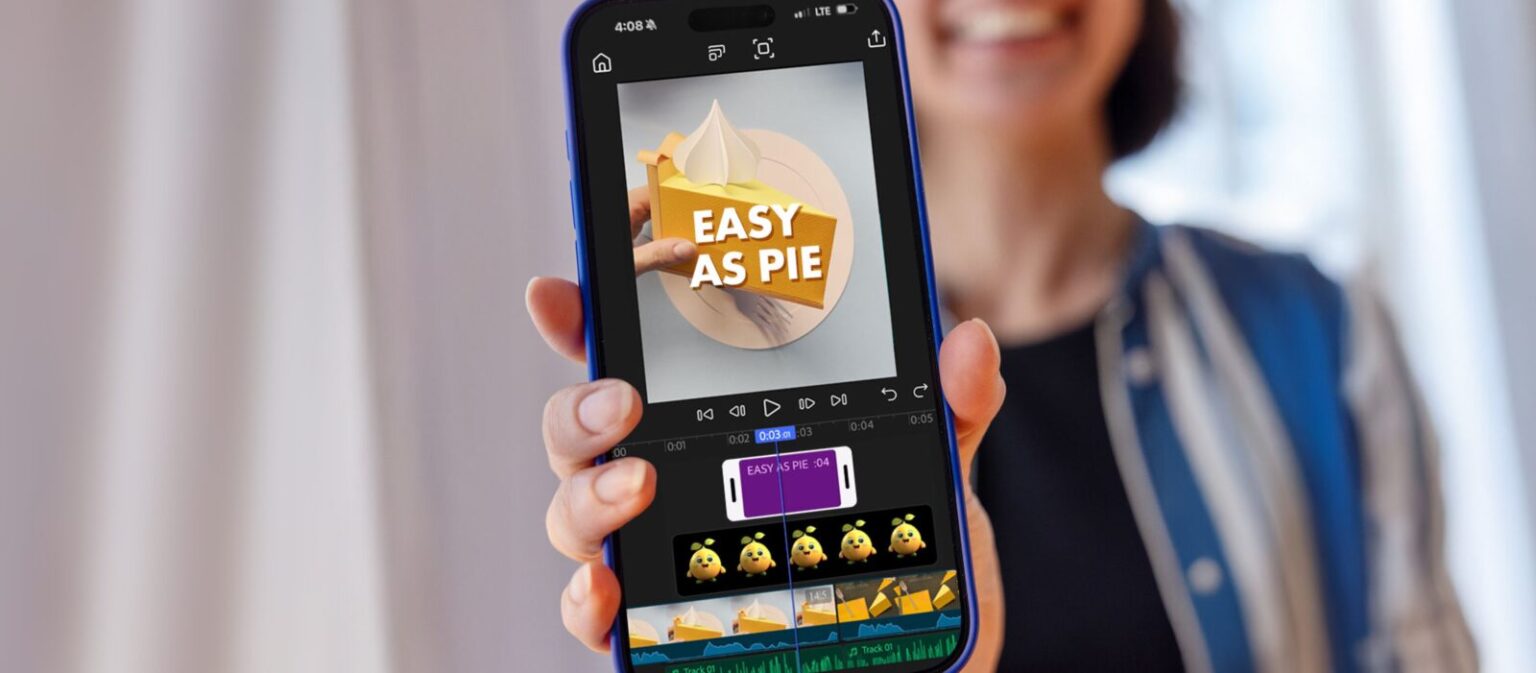
Adobe Premiere is finally heading to Android, but the details remain thin and the timeline fuzzy. Google revealed the news during its Android 17 platform showcase, confirming that the long-awaited mobile video editor will arrive “soon” without providing a specific launch window. This marks a step forward from the vague “in development” status Adobe assigned to the project last year, yet it leaves creators who have been waiting with more questions than answers.
The Android version appears aimed squarely at short-form content. According to Google’s announcement, it will ship with templates and effects tailored for YouTube Shorts, suggesting Adobe and Google are prioritizing quick, social-first editing over a full desktop-like experience at launch. That focus makes sense in today’s landscape, where most mobile creators spend their time on TikTok, Reels, and Shorts rather than crafting longer projects on phones. Still, it risks disappointing users hoping for a more robust tool right out of the gate.
For reference, the iOS version that launched in September 2025 offers a clearer picture of what Android users might eventually get. It includes practical features such as background removal, automatic captioning, multi-platform resizing, and standard transition effects that have become essential for social video. The app itself is free to download and use, with payments limited to Firefly generative AI credits for those who want extra creative firepower. Reaching feature parity on Android could take time, and Adobe has shared no detailed roadmap for the initial release.
This move fits into a broader push by Google to strengthen Android’s appeal for creators. Alongside Premiere, Android 17 brings simplified reaction-video tools and deeper integration with Instagram’s Edits app. These additions aim to close the gap while users wait, but they also highlight how fragmented the mobile editing space remains. Creators currently juggle several third-party apps to handle tasks that a proper Premiere port could streamline in one place.
The delay in bringing Premiere to Android feels telling. Adobe has dominated professional video editing on desktop for decades, yet its mobile strategy has lagged, especially on the world’s most popular operating system. By the time this version arrives, the short-form video market will be even more saturated, and expectations around speed, AI assistance, and seamless cloud workflows will be higher. Whether the app can deliver a meaningful experience on Android hardware—across a wide range of devices and chipsets—remains to be seen.
For now, the announcement generates more anticipation than clarity. Android users hungry for native Premiere support will have to keep waiting, while the iOS version continues to serve as the benchmark. In a creator economy that moves fast, “soon” can feel like a long time.