
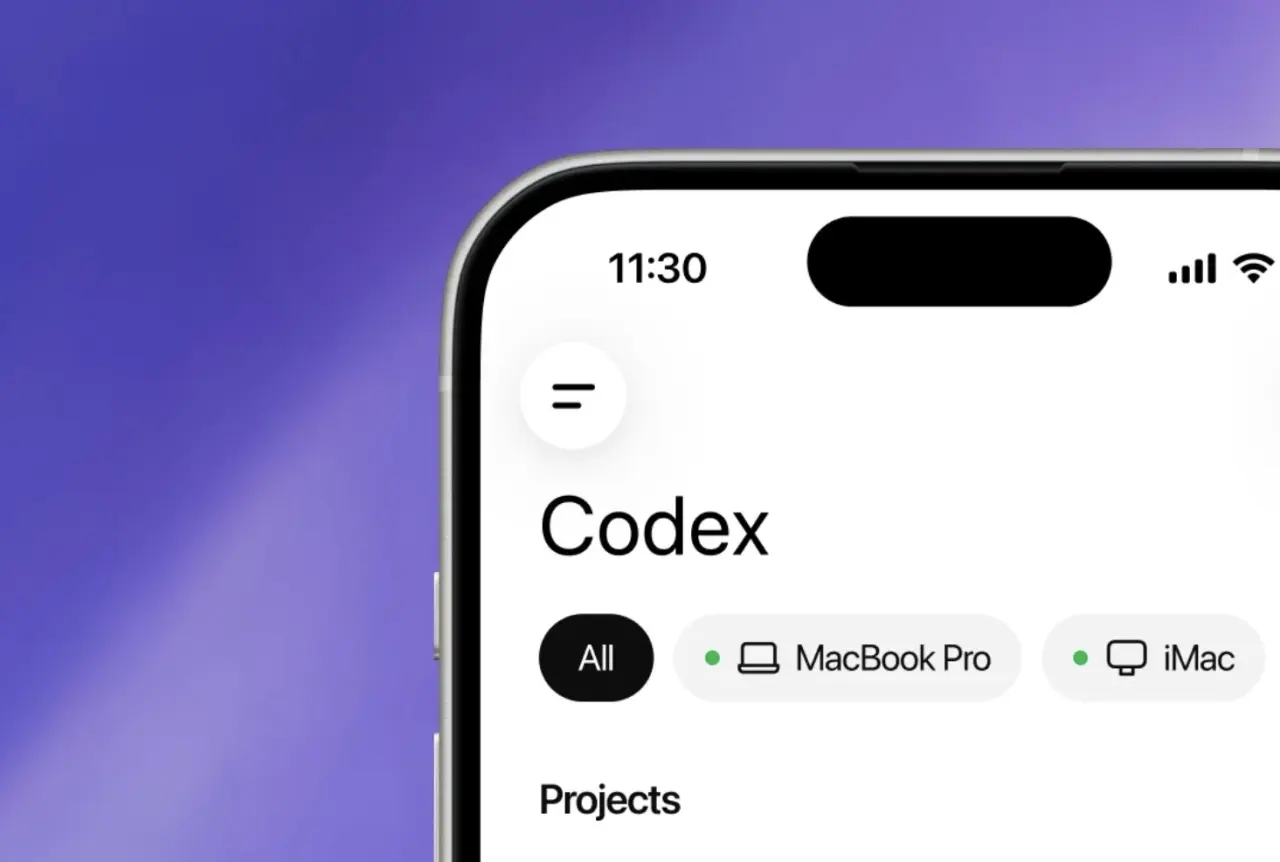
OpenAI is extending its Codex coding agent into the ChatGPT mobile apps on iOS and Android, giving developers a way to supervise and intervene in coding sessions while away from their desks. The feature is rolling out in preview across all plans, including the free tier, though with some practical limitations that temper the excitement.
Codex has already attracted more than four million weekly users, reflecting strong demand for AI-assisted development tools that go beyond simple code suggestions. The mobile integration lets developers connect to an existing Codex session running on a laptop, Mac mini, or managed remote environment. Once linked, the app pulls in the live context—active threads, pending approvals, plugins, and project details—turning the phone into a real-time control panel rather than just a notification hub.
Users can review outputs, approve or reject commands, switch models, kick off new tasks, and track progress on the go. Codex can push back screenshots, terminal logs, code diffs, test results, and approval requests, creating a tighter feedback loop. Importantly, the heavy lifting stays on the original machine, preserving file access, credentials, and local setup. OpenAI added a secure relay layer to keep the connection private rather than exposing the desktop environment directly to the internet.
This feels like a logical evolution for a tool aimed at professional workflows. Developers already juggle multiple devices; being able to steer a long-running agentic coding task from a subway ride or coffee shop could reduce context-switching friction. Yet it also highlights the maturing reality of AI coding: these systems still need human oversight, and the mobile layer is essentially a sophisticated remote control rather than true independent capability.
On the enterprise side, OpenAI rolled out additional features that matter more for larger teams. Remote SSH support is now generally available, letting Codex operate inside approved managed machines with proper security policies. Programmatic access tokens for CI pipelines and automation are available to Business and Enterprise customers, while new Hooks allow teams to scan prompts for secrets, add validators, log activity, or customize behavior per repository. HIPAA-compliant usage is supported for eligible Enterprise workspaces when running in local environments.
There are still rough edges. For now, the mobile Codex experience on iOS and Android only connects to the macOS desktop app—Windows support is promised later. That narrows its immediate usefulness for many developers. The requirement to keep the desktop session active also means this isn’t fully untethered mobility; it’s more like extended reach than true independence.
Overall, the move underscores OpenAI’s push to make Codex a persistent, multi-device coding companion rather than a chat-window novelty. It’s practical progress that could genuinely improve developer experience for those already invested in the ecosystem, but it stops short of revolutionary. The real test will be how reliably the connection holds up under real-world network conditions and whether the added convenience justifies the growing complexity of managing AI agents across platforms.