
Netflix is leaning harder into advertising, and the changes coming next year could test just how much viewers are willing to tolerate in the name of cheaper access. The streaming giant already raised prices across its plans earlier this year, pushing the ad-supported tier to $9 a month, the standard plan to $20, and the premium option to $27. Yet subscriber numbers keep climbing, especially on the ad tier. At its recent upfront presentation, the company revealed that more than 250 million people worldwide now subscribe to the $9 plan, up significantly from 190 million reported late last year.
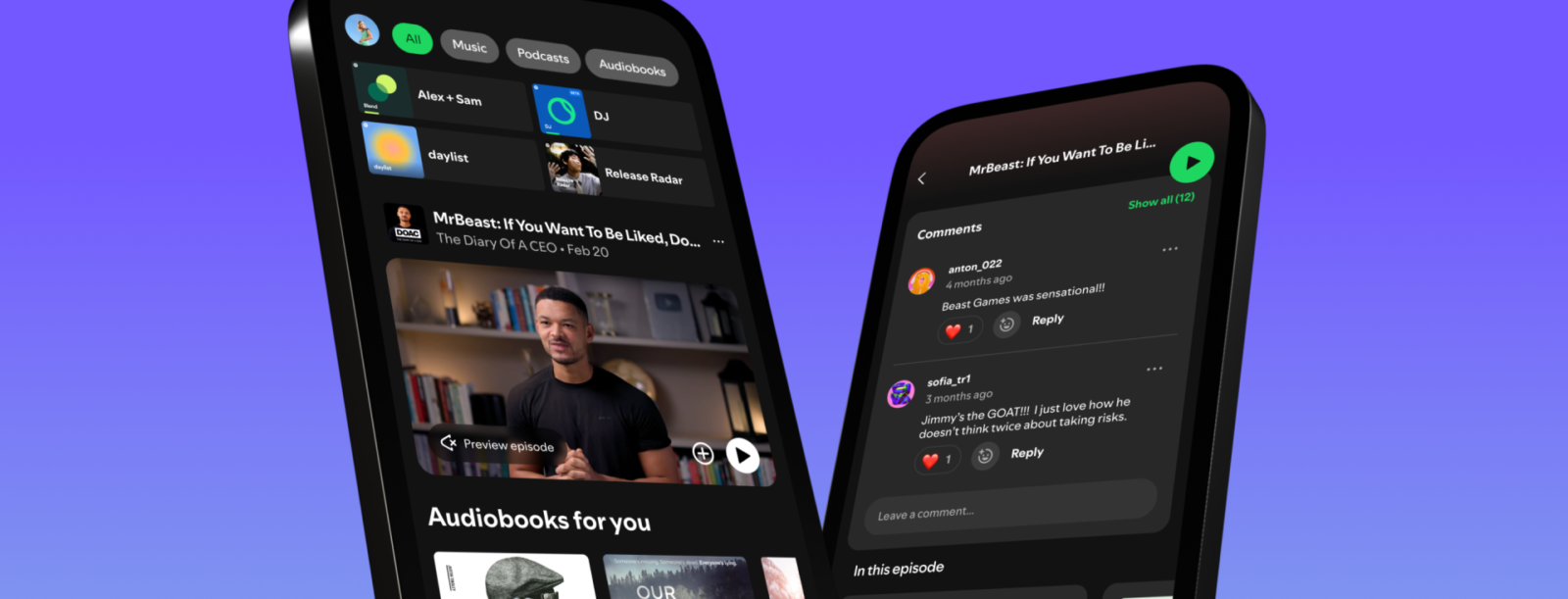
That growth has translated into serious money. Netflix brought in $1.5 billion from advertising in 2025, and executives clearly see room for more. The strategy involves injecting additional ads into new features that already feel designed to keep users scrolling. One of those is the recently launched “Clips” vertical video feed in the mobile app, a TikTok-style carousel of short trailers and highlights. Starting next year, this feed will carry ads, mirroring the sponsored content model familiar from Instagram and TikTok.
Another expansion targets the podcast section Netflix added earlier this year. The app now hosts shows from established networks alongside its own productions, and those pages will soon include commercial breaks as well. On top of that, the company is testing ad personalization tools that match commercials more closely to a viewer’s watching habits—something that might feel either convenient or uncomfortably targeted, depending on your tolerance for surveillance-style recommendations.
These moves arrive as Netflix continues rolling out its ad-supported plan to new markets. Fifteen additional countries, including Austria, Belgium, Colombia, Indonesia, the Netherlands, New Zealand, and Thailand, will gain access soon. The global push makes sense on paper. Ad revenue has become a meaningful part of the business, and more eyeballs on cheaper plans help offset the slowing growth of full-price subscriptions in mature markets.
Still, the trajectory raises familiar questions about the trade-offs. When Netflix first introduced ads, the tier launched at $7 a month with limited interruptions. Now it costs more and will soon show more commercials. Meanwhile, ad-free 4K streaming sits at $27, a price that feels steep even by today’s standards. Long-time subscribers who remember the pre-password-sharing-crackdown era might feel a sense of whiplash. The service that once sold itself on convenience and quality is increasingly engineering ways to extract value from every swipe and pause.
There’s a broader industry pattern here. Almost every major streamer has layered in ads while hiking base prices, turning the once-simple monthly bill into a menu of compromises. Netflix is simply further along the curve. The gamble appears to be paying off for now—subscriber counts are healthy, and ad dollars are rising—but viewer fatigue is real. If the ads become too intrusive or the personalization too obvious, even the loyal might start looking for exits.
For the moment, the company’s focus remains clear: grow the ad business aggressively while hoping the content library remains strong enough to keep people from canceling. Whether that balance holds through another round of price creep and commercial density is the real test ahead.