
SpaceX is reportedly pushing toward an initial public offering as soon as next month, according to sources cited in recent coverage. The privately held space company, led by Elon Musk, is said to be targeting a June 12 listing on Nasdaq under the ticker SPCX, with a pre-IPO share sale the day prior. Valuations mentioned in discussions hover around $1.75 trillion, a figure that would place it among the most valuable companies to ever go public.
This acceleration comes after years of speculation about when—or if—SpaceX would follow in the footsteps of other high-profile tech firms by entering public markets. Musk has long resisted the transparency and quarterly pressures that come with being listed, citing the need to focus on ambitious long-term goals like Mars colonization and reusable rocket technology. Yet recent moves suggest a strategic shift. The company reportedly absorbed Musk’s xAI venture earlier this year, potentially to consolidate value under one roof. Partnerships with major AI players, including talks with Google for orbital data centers and a collaboration with Anthropic, have also surfaced, framing SpaceX’s satellite and launch capabilities as infrastructure for the next wave of computing.
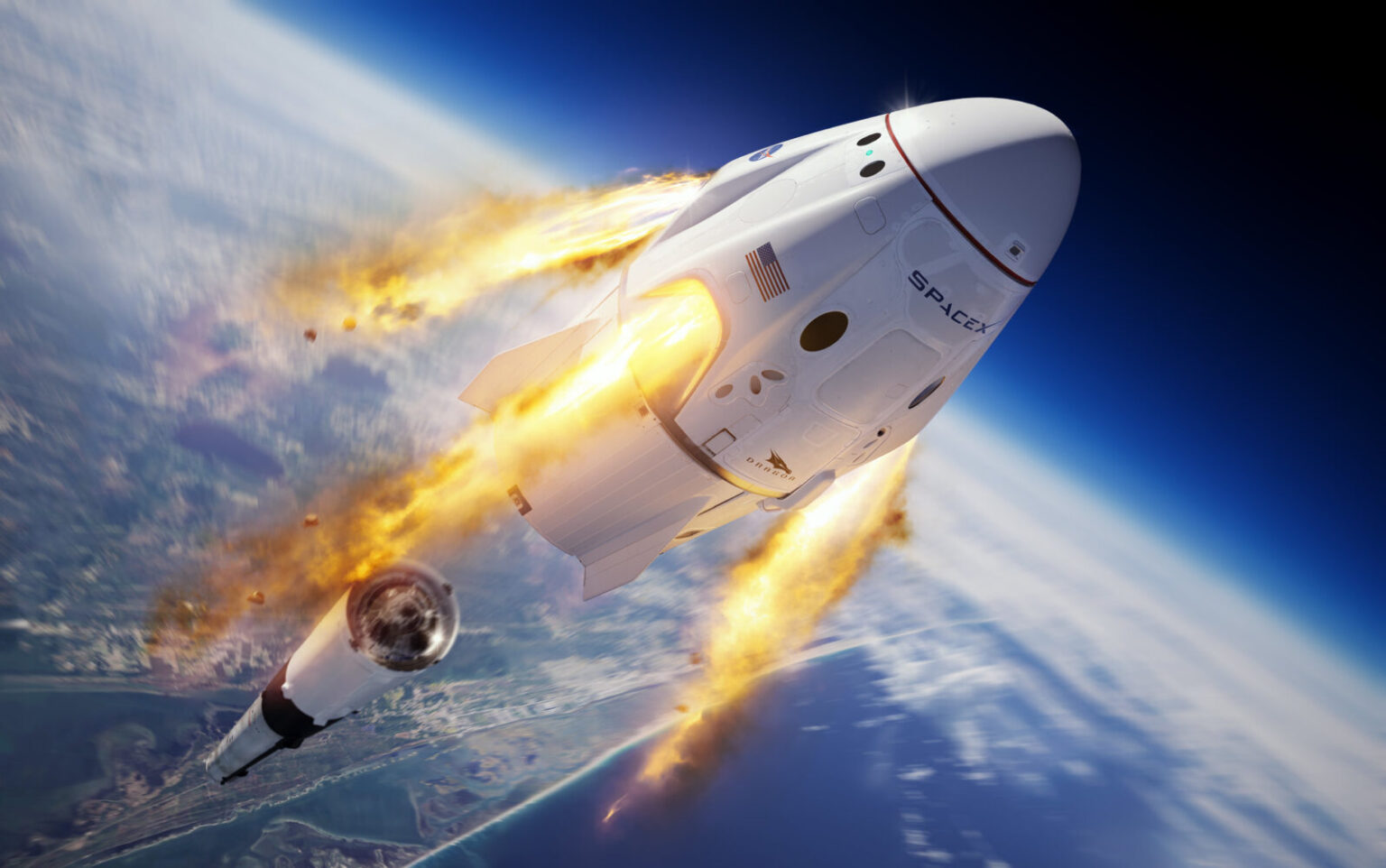
On paper, the timing makes some sense. SpaceX has matured significantly since its early Falcon 1 failures. The Falcon 9 rocket has become a workhorse for commercial and government payloads, while Starlink has grown into a viable broadband business serving remote areas and even military operations. Starship, though still in testing, represents the kind of heavy-lift vehicle that could reshape access to space. These achievements have built genuine technical credibility. But a $1.75 trillion valuation invites scrutiny. It implies extraordinary growth expectations at a moment when the broader space economy remains unproven at scale, and when economic headwinds—interest rates, geopolitical tensions, and competition from firms like Blue Origin and emerging Chinese players—could complicate the picture.
Public markets have a way of exposing realities that private funding sometimes glosses over. Investors would gain visibility into Starlink’s subscriber economics, the true costs of Starship development, and how much of the business still relies on NASA and U.S. government contracts. Past attempts by Musk-led companies to manage public scrutiny have been mixed; Tesla’s journey has been volatile, marked by both remarkable delivery ramps and periods of intense skepticism over timelines and profitability. SpaceX’s IPO, if it materializes, could test similar dynamics on an even grander stage.
There are also unanswered questions about governance. Musk’s tendency to intertwine his various ventures—tweeting product announcements, shifting resources between companies, and pursuing political interests—has created complications before. An IPO would bring new stakeholders who may demand clearer separation and more predictable leadership. The reported June timeline feels aggressive, possibly designed to capitalize on current AI enthusiasm and positive sentiment around recent launches. Yet markets can shift quickly, and any delay or scaled-back expectations could temper the hype.
Ultimately, this moment reflects how far the commercial space sector has come since the shuttle era. What was once the domain of governments is now a competitive industry with private capital driving innovation. Whether SpaceX’s public debut delivers sustained value or becomes another case study in lofty projections meeting earthly realities remains to be seen. For now, the pieces are moving quickly, and the coming weeks could clarify if this launch reaches orbit on schedule.