

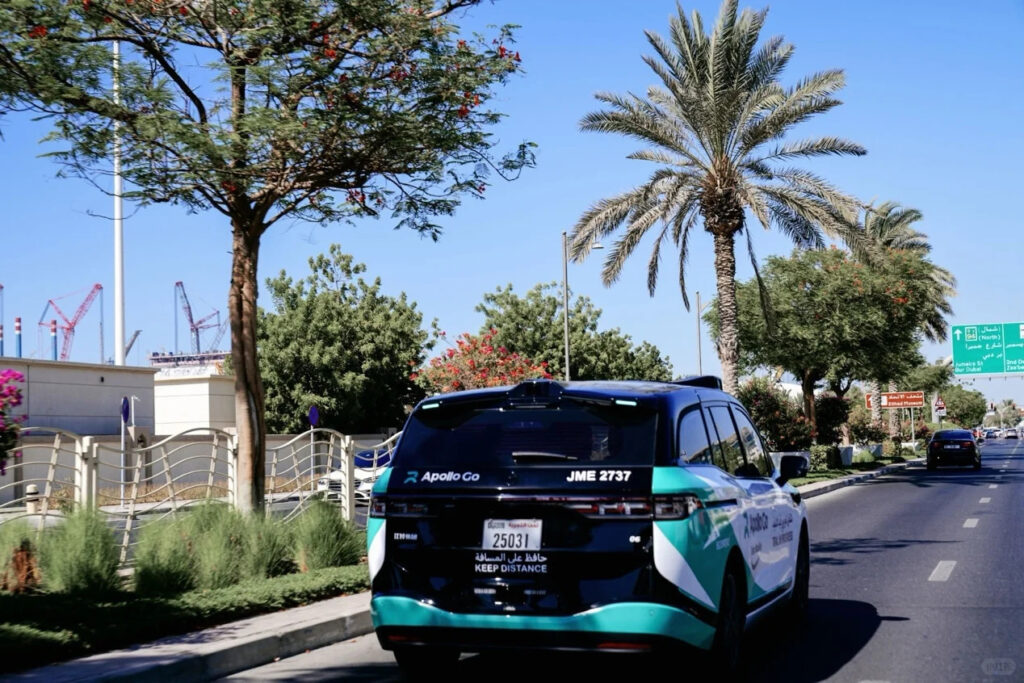
Dubai has started limited public operations of driverless taxis in Jumeirah and Umm Suqeim, marking another step in the emirate’s long-running push toward automated urban transport. The rollout, announced by Dubai’s Roads and Transport Authority (RTA), allows passengers to book autonomous rides through the Uber and Apollo Go apps in selected zones.
The launch is less about novelty and more about testing how self-driving transport fits into the everyday reality of a dense modern city. Dubai has spent years positioning itself as an early adopter of large-scale mobility technology, from smart traffic systems to proposed air taxi infrastructure. Autonomous taxis are now moving from controlled pilot programs into visible public deployment on ordinary streets.
The initial service area remains limited, which is typical for autonomous vehicle programs globally. Cities in the United States and China have followed a similar phased approach, beginning with geofenced neighborhoods where traffic patterns, road quality, and mapping systems are easier to manage. Jumeirah and Umm Suqeim offer relatively structured road layouts and high digital infrastructure coverage, making them logical testing grounds before any broader expansion.
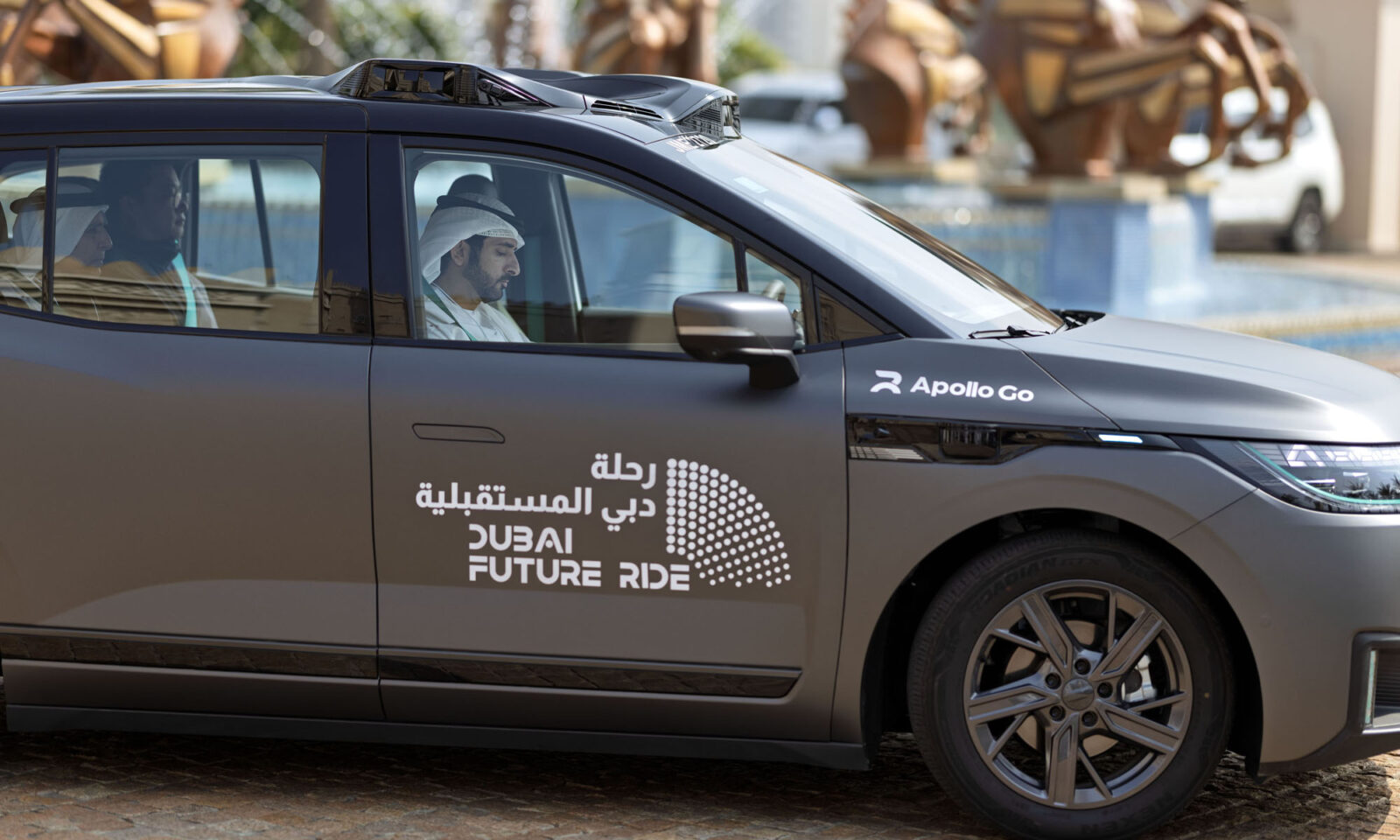
Passengers using the service will experience fully driverless rides, though these systems still operate under extensive remote monitoring and regulatory oversight. While the term “driverless taxi” often suggests complete technological independence, current autonomous transport systems worldwide still depend heavily on mapping precision, sensor calibration, and centralized operational control. Dubai’s rollout reflects that global reality rather than a sudden leap into unrestricted self-driving mobility.
The project also aligns with Dubai’s Self-Driving Transport Strategy, which targets converting 25 per cent of transportation trips into autonomous journeys by 2030. That goal has been part of the emirate’s mobility planning for years, although scaling from pilot deployments to citywide adoption remains a significant technical and logistical challenge.
Questions around safety, liability, weather adaptation, and mixed-traffic behavior continue to shape the global debate around autonomous vehicles. Sand, heat, unpredictable driving habits, and dense urban traffic can all complicate autonomous navigation systems in Gulf cities. Dubai’s controlled rollout suggests authorities are aware that public confidence will depend less on futuristic branding and more on consistent, uneventful daily performance.
The partnership with Uber and Apollo Go also highlights how global mobility platforms increasingly rely on regional government cooperation to expand autonomous services. Similar partnerships have emerged in parts of the US and China, where regulators often determine the pace of commercial deployment as much as the technology itself.
For now, Dubai’s autonomous taxi network remains a measured experiment rather than a wholesale transport transformation. But its visibility on public roads signals that the city intends to remain aggressive in testing future mobility systems, even as much of the world is still debating how practical and scalable driverless transport will ultimately become.