
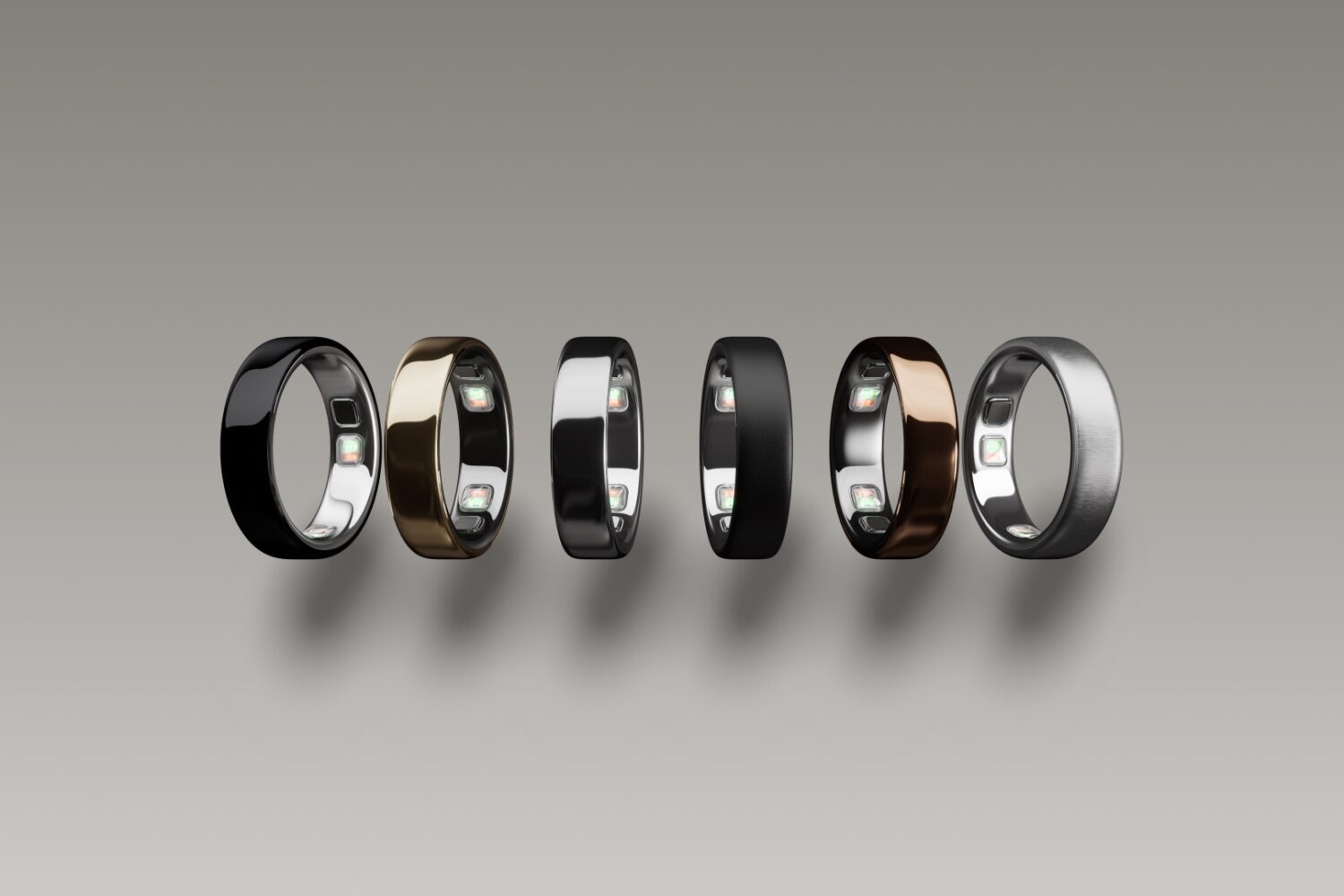
Oura has unveiled the Oura Ring 5, a noticeably smaller smart ring that builds on the company’s established position in wearable health tracking. Measuring 40 percent smaller than its predecessor, the new model prioritizes discretion and comfort while introducing refined sensors and expanded software capabilities focused on preventive monitoring.
The ring uses lightweight titanium construction and features a smoother, more curved profile designed to sit naturally on the finger. Oura engineers reconfigured the internal components—including sensors, battery, and overall architecture—to achieve this reduction in size without major compromises in performance. The device includes updated optical sensing with improved skin contact, stronger signal pathways, and better LED output, aiming for consistent readings across varied finger shapes and skin tones. It maintains water resistance to 100 meters and adds enhanced scratch protection through a durable coating. Available in sizes 6 through 13, the Ring 5 comes in standard and premium finishes, with options like a lighter gold tone and deep rose.
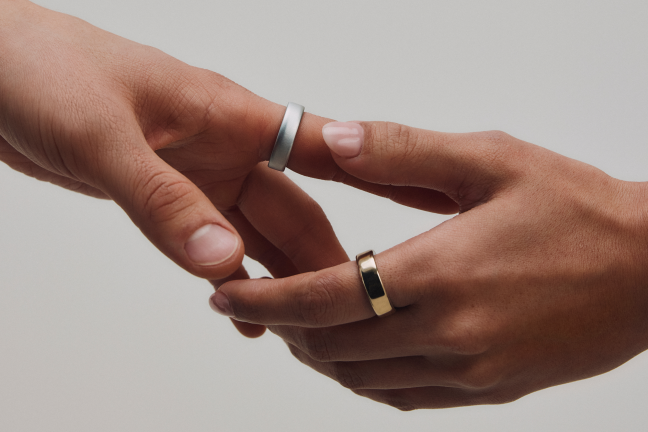
This focus on a smaller form factor addresses a common user request for less noticeable wearables. Earlier Oura models already positioned the finger as a strong site for biometric data due to better arterial access compared to wrist devices, a principle the company continues to emphasize. However, real-world accuracy can still vary based on individual fit, movement, and skin characteristics, as with any optical sensor technology.
On the software side, the Ring 5 integrates several new monitoring tools. Live activity tracking allows users to follow pace, distance, and heart rate metrics in real time during runs, cycles, or strength sessions, with support for connecting external monitors. The new Health Radar feature expands on previous symptom tools by running background checks on biometric patterns, highlighting potential concerns like shifts in nighttime blood pressure signals or breathing disturbances. These insights draw from collaboration with medical professionals and encourage users to consult healthcare providers when patterns suggest further attention.
Additional updates target specific health areas. GLP-1 medication tracking combines dosing logs, side effects, weight changes, and Oura’s core metrics into one view, responding to the growing number of users on such treatments. For women’s health, the Menopause Insights tool uses a new questionnaire to assess daily life impact, while an updated cycle feature adapts to hormonal contraception methods. A portable charging case offers extended power for travel, and new data controls let users delete specific time windows of information while keeping long-term trends intact.

Priced at Dh1,599 to Dh1,999 in the UAE depending on finish, with membership at Dh29.99 monthly, the Ring 5 ships starting June 4, 2026. Pre-orders are available locally through retailers like Virgin Megastore and Noon. Software features such as Health Radar roll out initially in select markets including the UAE.
While the Oura Ring 5 refines an already established category, questions remain about how much incremental size reduction truly changes daily adoption for most users. Smart rings have matured since Oura helped popularize them over a decade ago, yet they still function best as supportive tools rather than complete medical solutions. The emphasis on proactive patterns is useful, but effectiveness depends heavily on consistent wear and individual interpretation alongside professional medical advice. Overall, this iteration strengthens Oura’s hardware-software combination in a competitive wearable landscape.